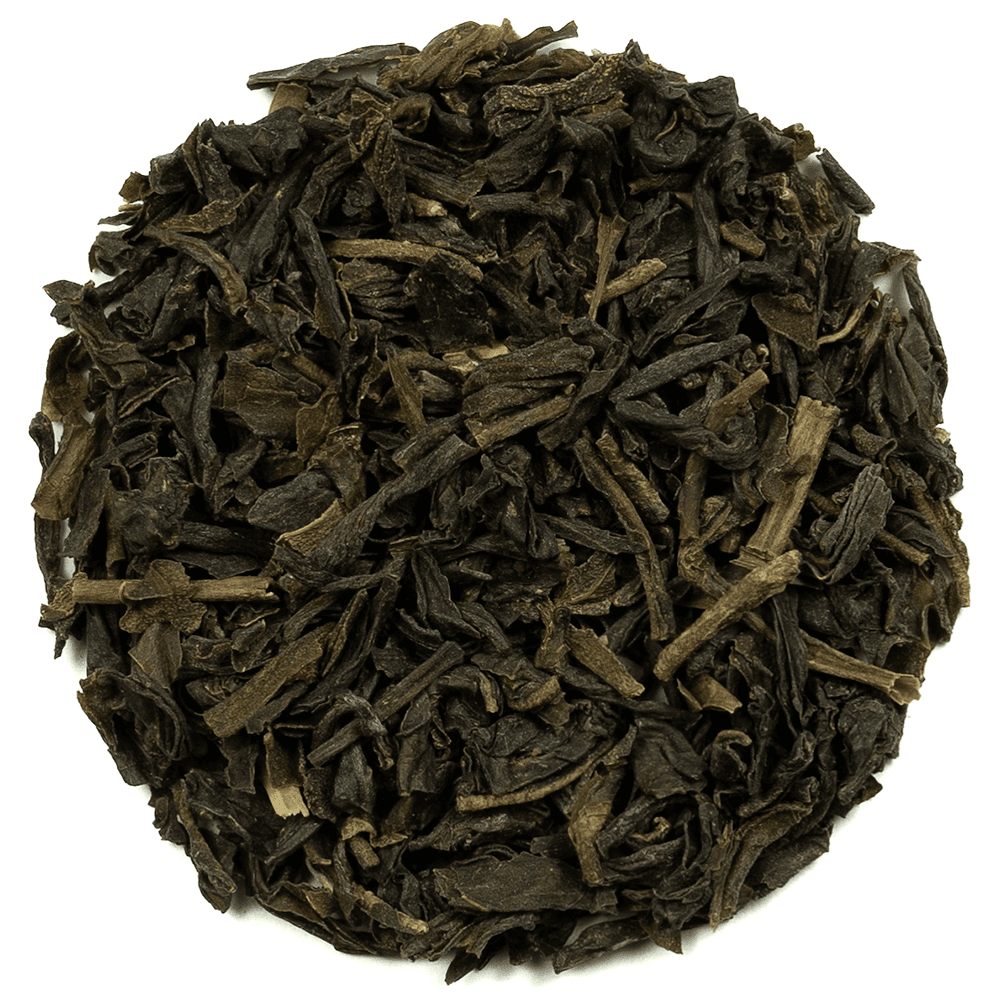
Bright, grassy, and clean enough to reset your afternoon. Sencha is the green tea Japan drinks more than any other, and this one comes from Ujitawara, the Kyoto town where a tea maker invented the steaming method nearly three centuries ago. Picked in April 2025 from JAS-certified (Japan Agricultural Standards)-organic Yabukita bushes, lightly shaded before harvest to build extra umami (a savoury, brothy quality). Tasting Notes Think fresh-cut grass with a gentle sweetness underneath, like green beans cooling on a plate. The liquor pours pale jade with a light vegetal scent, and first steeps deliver soft umami with a bright citrus edge that lifts the palate before later rounds mellow toward toasted grain and a clean, quick finish. Ujitawara started the steaming method, and this Yabukita still shows why it stuck. Origin Ujitawara sits in the hills south of Kyoto, in the heart of the Uji tea region. Cool mornings and clay-rich soil produce leaves with more sweetness and less astringency than lowland farms. This lot grows on Yabukita bushes at 200 meters, the cultivar behind most Japanese sencha, JAS-certified organic and lightly shaded for a few days before the April pick to push amino acids higher. Craft Steaming is what sets Japanese green tea apart from Chinese. Where Chinese producers toss leaves in a hot wok to stop them from browning, Japanese workshops blast them with steam in the first hours after picking. That quick heat locks in chlorophyll and amino acids — the reason sencha pours jade-green and tastes of umami rather than toast. After steaming, the leaves go to Nishide, a finishing workshop in Ujitawara that has shaped Uji tea since the Meiji era. If you enjoy Gyokuro and want something brighter and less intense for everyday drinking, sencha fills that role: lighter body, lower brewing temperature, and just as many steeps. A 25-gram bag gives you a full week of morning cups. Brewing Brew 5 grams in 100 ml of 70°C water for 30 seconds, then add 10 seconds to each steep after the first. Five grams is roughly a tablespoon, so a 25-gram bag lasts five sessions. Temperature matters here more than with most teas — anything above 80°C pulls bitterness out fast, so let boiled water cool for about four minutes before pouring. FAQ What is sencha? Sencha is a steamed Japanese green tea and the most widely drunk tea in Japan. The leaves are steamed shortly after picking to lock in green color and grassy flavor, then rolled and dried. Uji, the region around Kyoto, is one of the oldest and most respected sencha-growing areas. How is Sencha different from Gyokuro? Both come from Japan, but sencha grows in full sunlight while Gyokuro spends weeks under shade before harvest. That shade builds dense umami and a thick, brothy body. Sencha stays brighter and more citrus-forward, with a lighter body that makes it an easier daily cup. What is the difference between Japanese and Chinese green tea? Processing. Japanese sencha is steamed to stop oxidation, which preserves a bright, grassy, marine character. Chinese green teas are pan-fired in a hot wok, which produces a nuttier, roastier cup. The plant is similar, but the first sixty seconds of processing create two different flavor families. Is Japanese green tea healthier than Chinese? Both are green tea with similar compounds. Steaming preserves slightly more catechins than pan-firing, but the practical difference in a cup of tea is small. Pick based on flavor preference, not health claims. If you enjoy bright and grassy, drink sencha. If you prefer nutty and smooth, try Dragon Well.