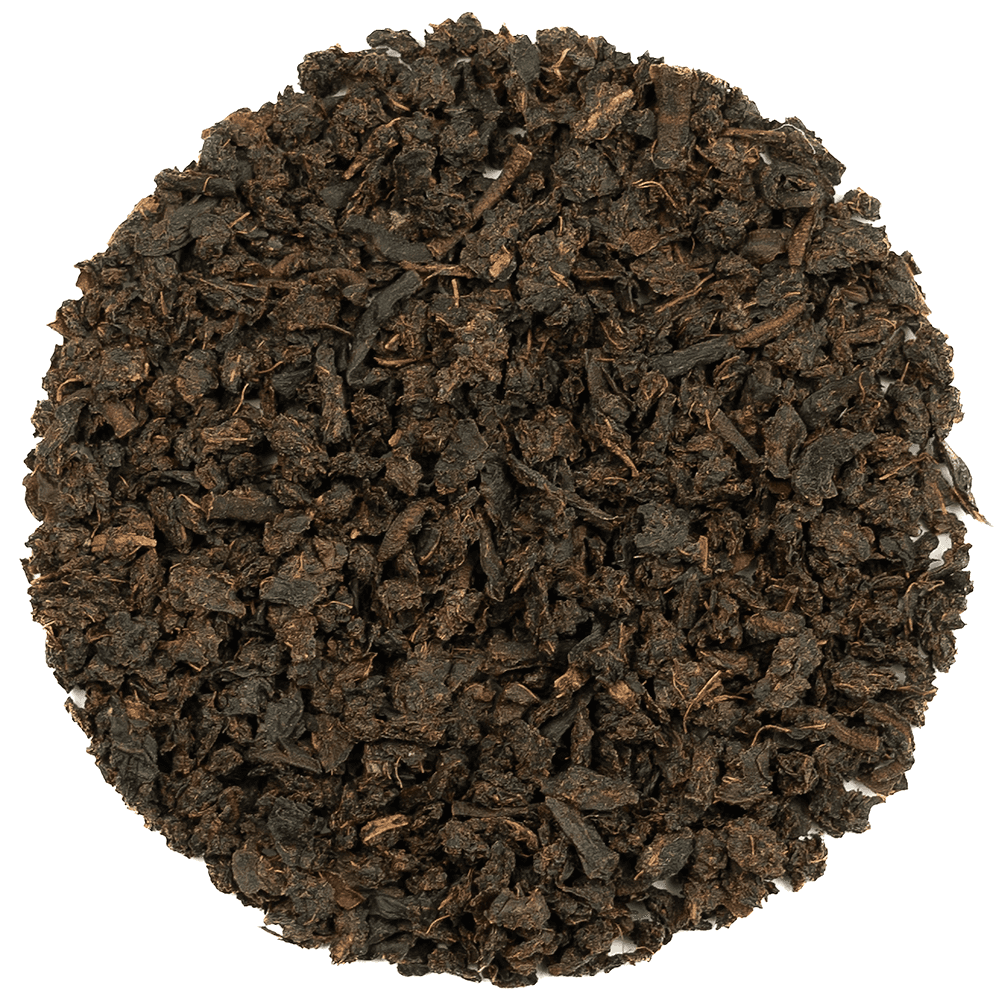
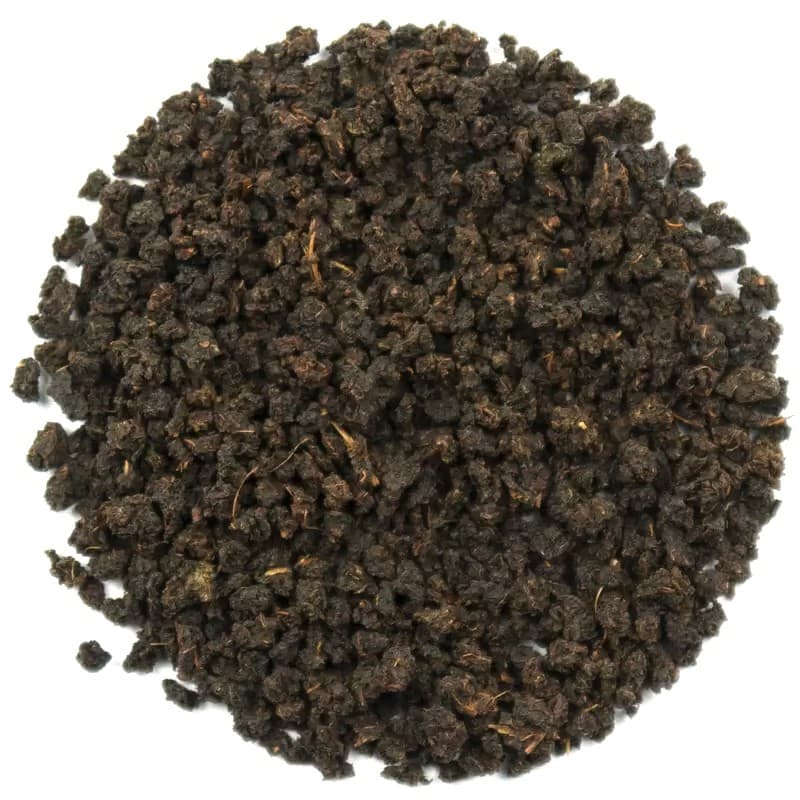
In the Ruhunu district of southern Sri Lanka, on the low-lying Balangoda Estate, this Flowery Pekoe grade black tea gets its distinctive heft. Low-grown Ceylon teas are already known for a bolder, thicker cup than the high-grown teas of Uva, Dimbula or Nuwara Eliya, and Ruhunu goes further still: the district runs hotter and more humid than those cooler hill estates, and the leaf that comes off it has a character of its own.
Balangoda shares its ground with Yala National Park, whose leopards, elephants, wild boar and crocodiles have made the area better known for wildlife than for tea, though the tea grown here is no less accomplished for sitting in that shadow. Commercial tea production in Sri Lanka dates back to the 19th century, and the industry now covers around 4% of the island and employs roughly 5% of its population. The country was called Ceylon when that trade began, and the tea has kept the old name even as the nation's changed.
In the cup, expect a strong, full-bodied black tea with a coppery, dark liquor. Tasting notes run to lemon, honey and coffee, with a thick, milky body underneath. Brew with freshly boiled water and let it infuse for three to five minutes — the longer end suits its heartiness best. Take it black to taste that boldness plainly, or soften it with milk, sugar, honey or lemon.
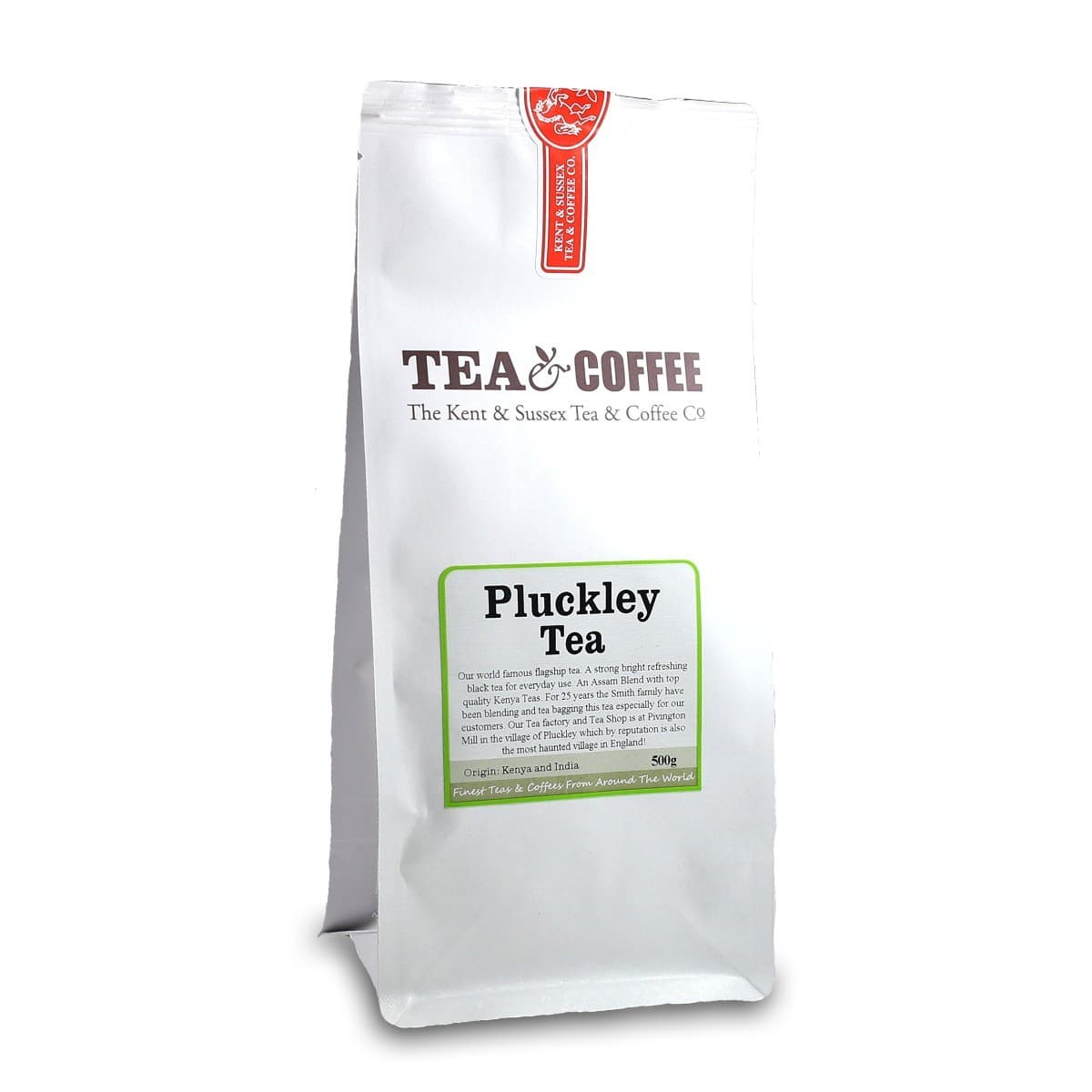
The Kent and Sussex Tea and Coffee Company packs this one fresh to order. Like other black teas, it carries theaflavins and thearubigins, compounds tea has long been credited with antioxidant activity, part of why Ceylon black tea has stayed a familiar morning cup for generations of drinkers.