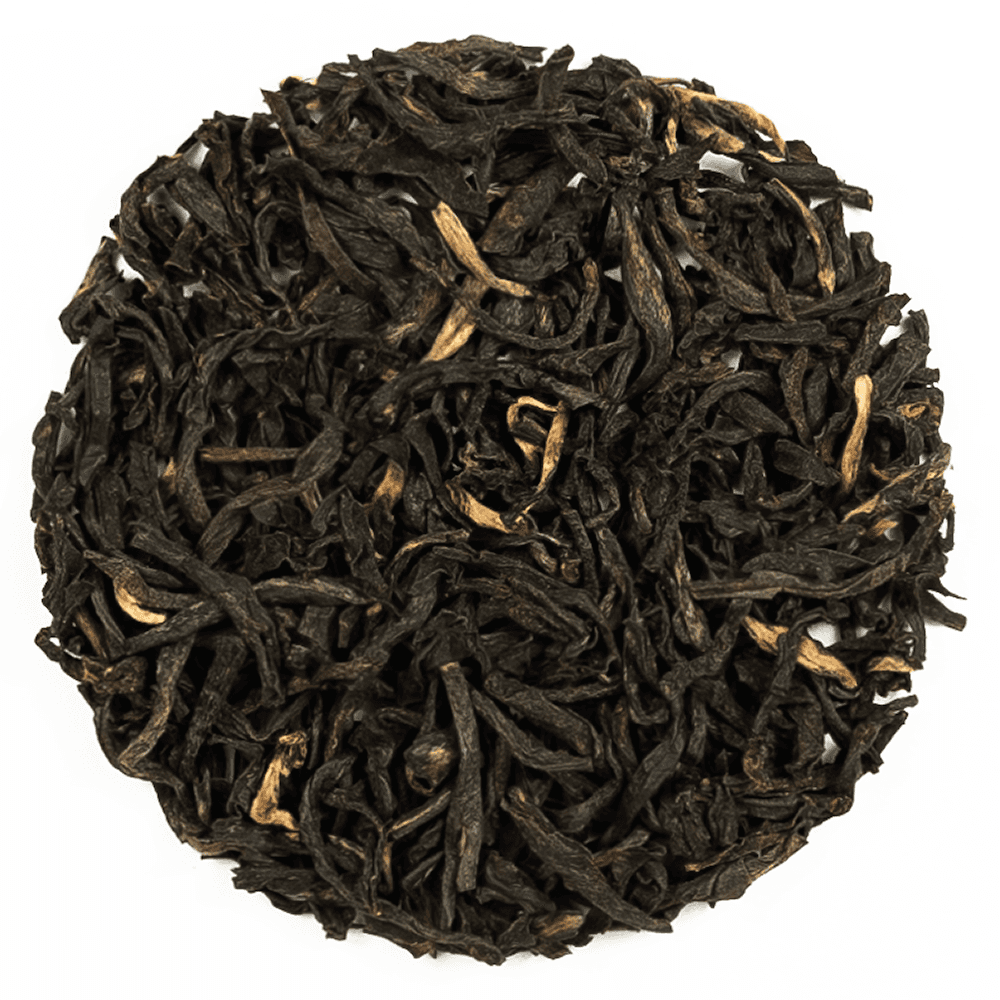
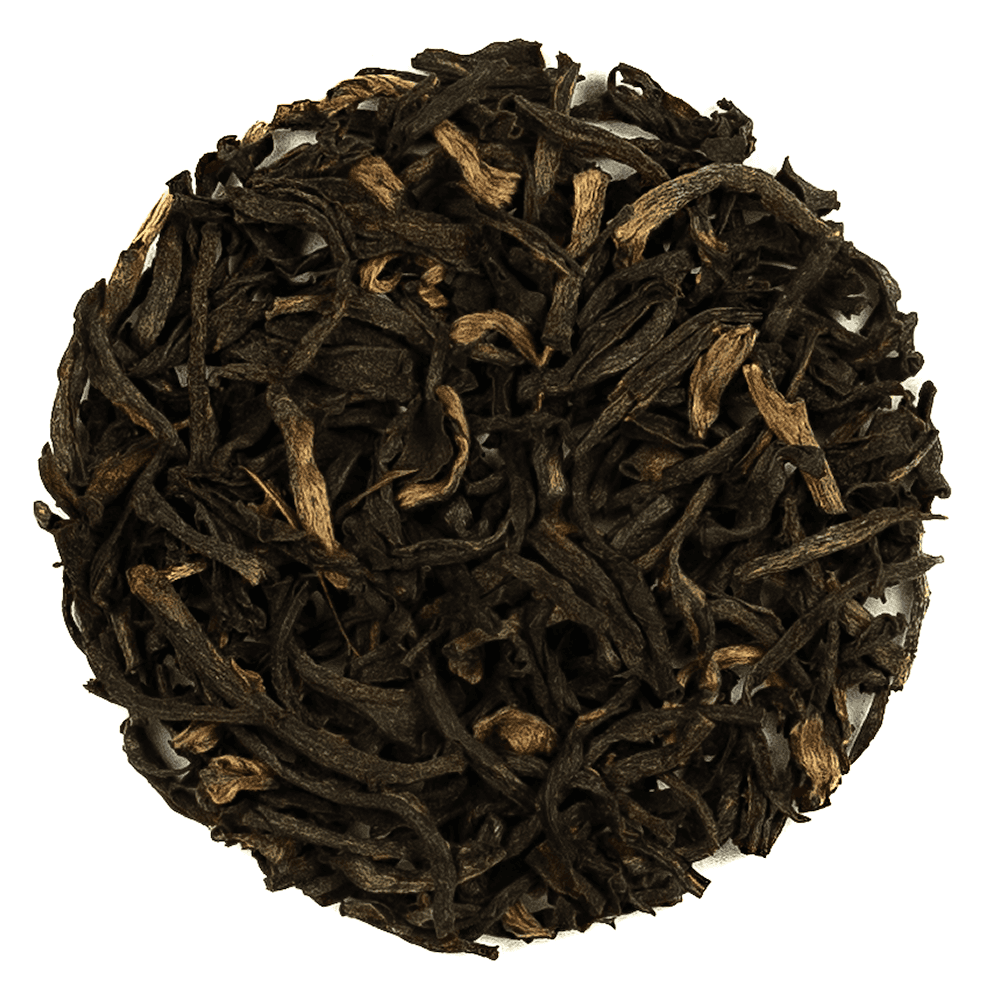
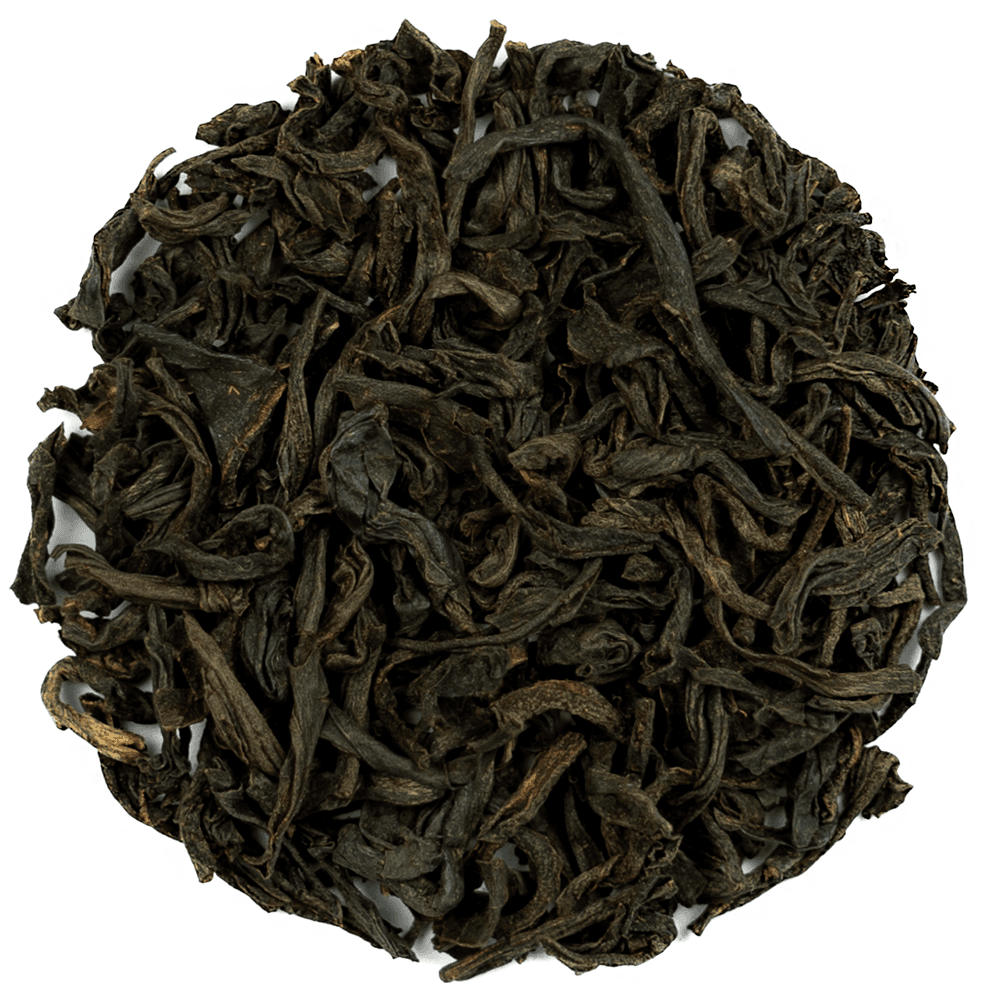
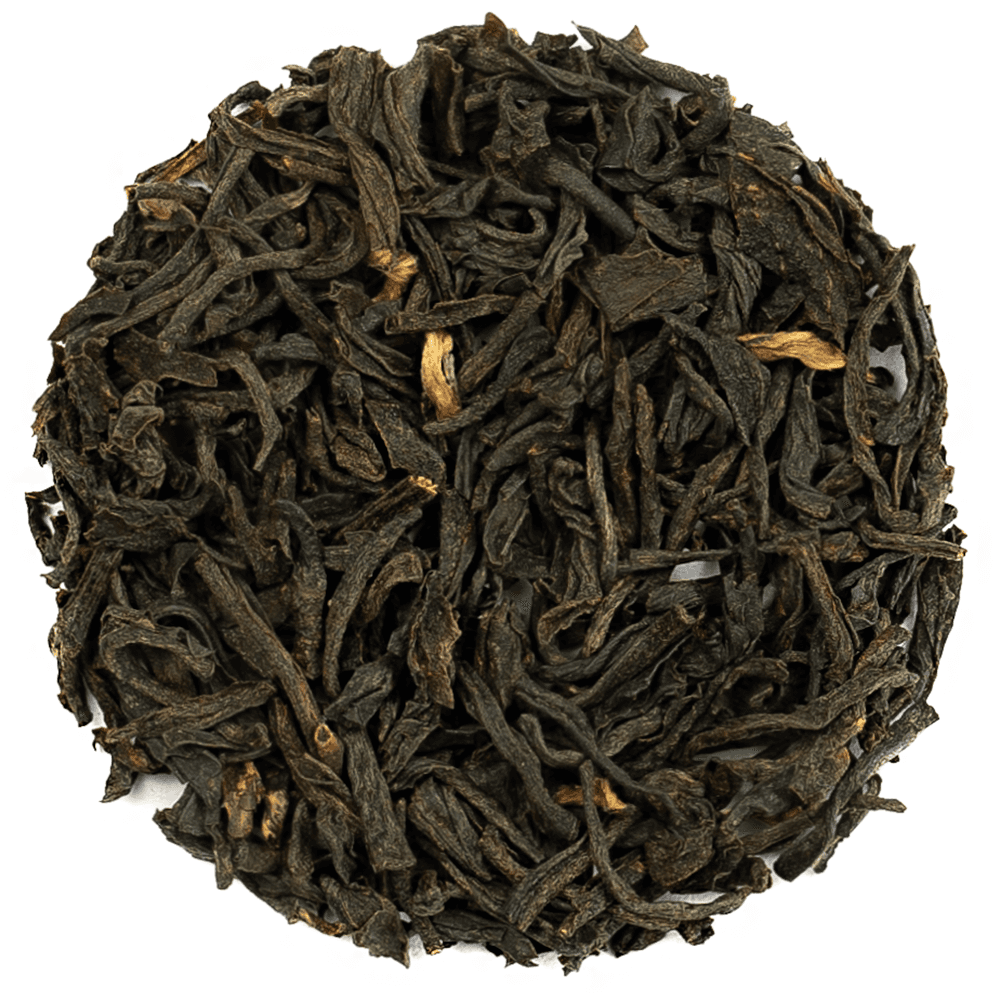
Behora Estate's soil is unusually rich, and that shows in the cup: a full-bodied, malty Assam with a sweet finish that leans toward honey and orange peel, backed by a coffee-like depth and a notably thick body. Lemon brightness shows up at the edges too, giving the malt something to sit against, and the overall impression is of a tea that fills the mouth rather than one that's thin or brisk.
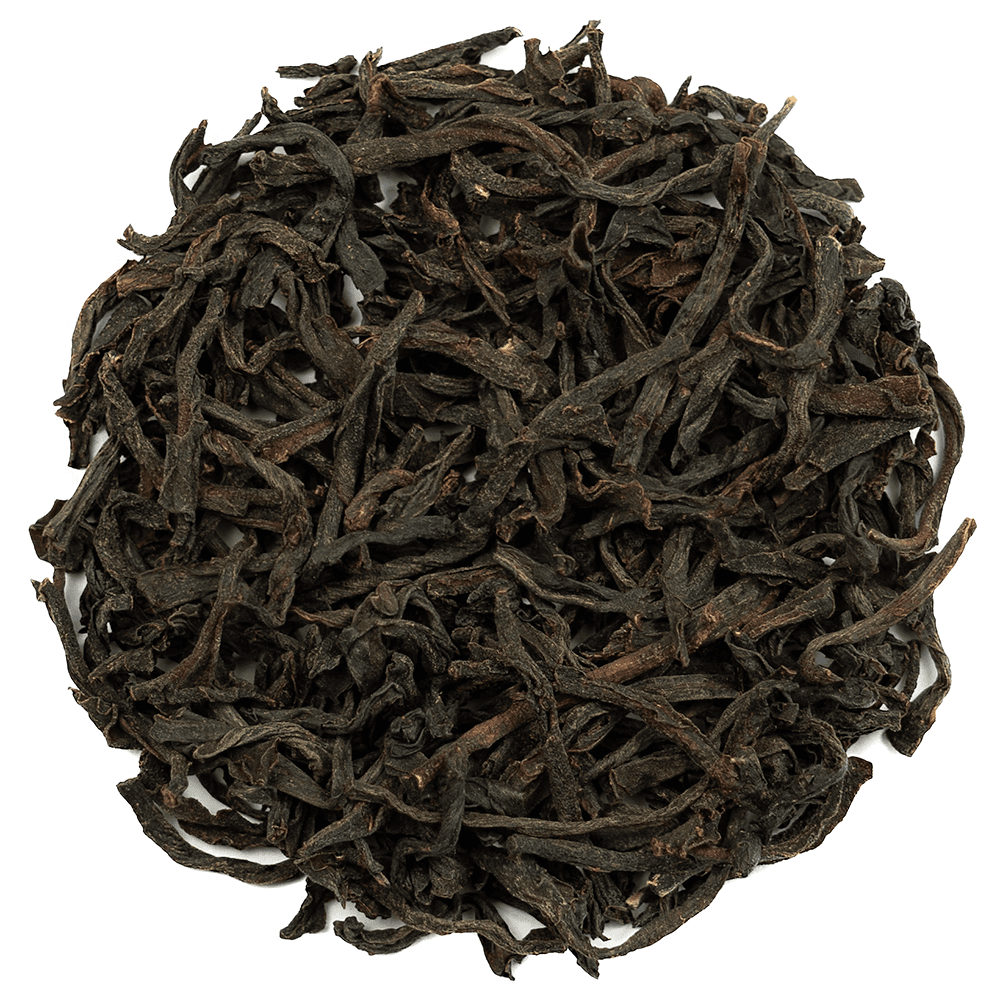
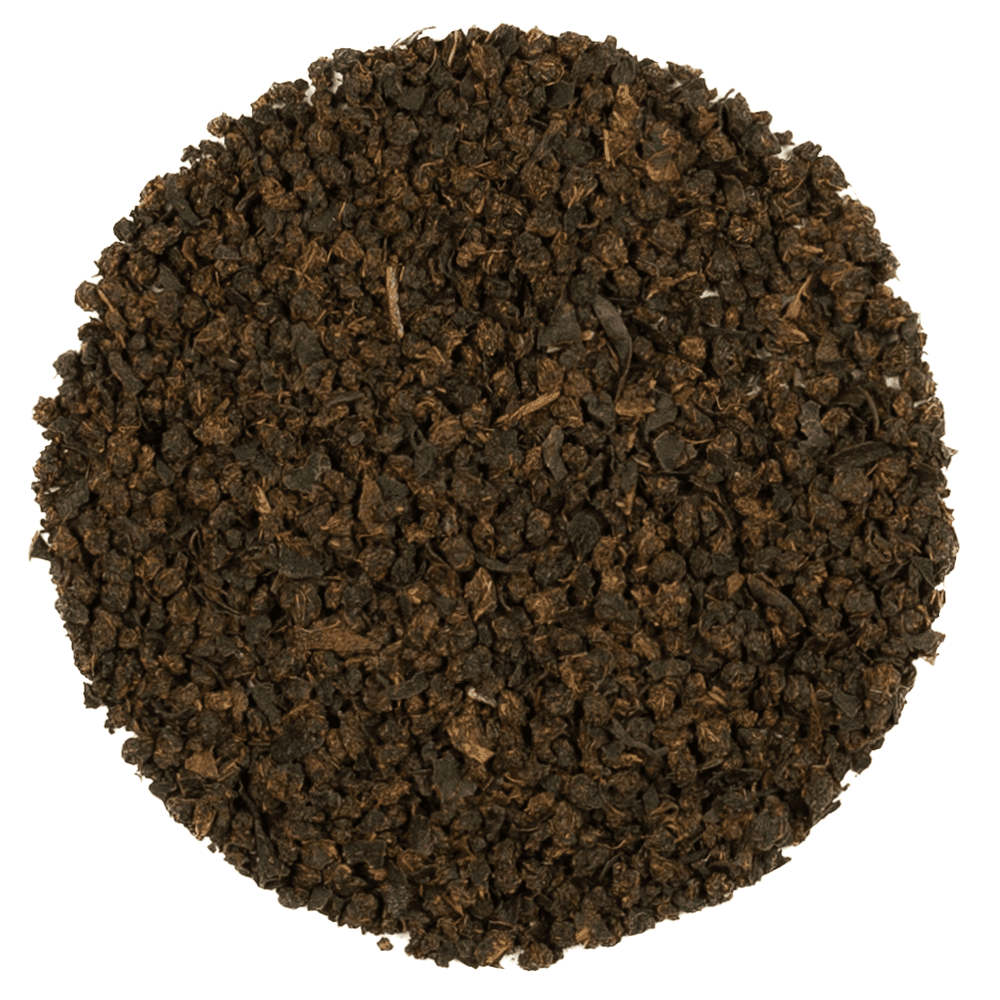
The grade on the packet, FBOP, stands for Flowery Broken Orange Pekoe. The leaves are cut down slightly during manufacture, which pulls more flavour out of them than a whole-leaf FOP grade would, while staying a step short of the smaller-leaf BOP. It's a useful shorthand for how strong and full the liquor will taste before you've even opened the packet.
The tea traces back to 1928, when a 23-year-old Robert Stammers answered an advertisement placed by the Rajmai Tea Company of Assam, looking for a plantation assistant with engineering experience at Behora. He took the job and stayed in tea for the rest of his working life. Four generations later, his family is still in the trade: Stammers's grandson Richard Smith now runs Kent and Sussex Tea and Coffee Company, which has built on that early start at Behora and packs this tea fresh to order.
Black tea carries a natural load of vitamins, minerals and antioxidants, and Assam varieties like this one have long been drunk partly for that reason as well as for the lift. A cup holds roughly 45mg of caffeine, enough to count as a proper morning tea without tipping into strong-coffee territory.
To brew it, steep loose leaves in a filter or infuser under freshly boiled water for three to five minutes, closer to four for a balanced cup. It takes milk, sugar, honey or lemon well, or drink it black to get the malt and coffee notes undiluted.