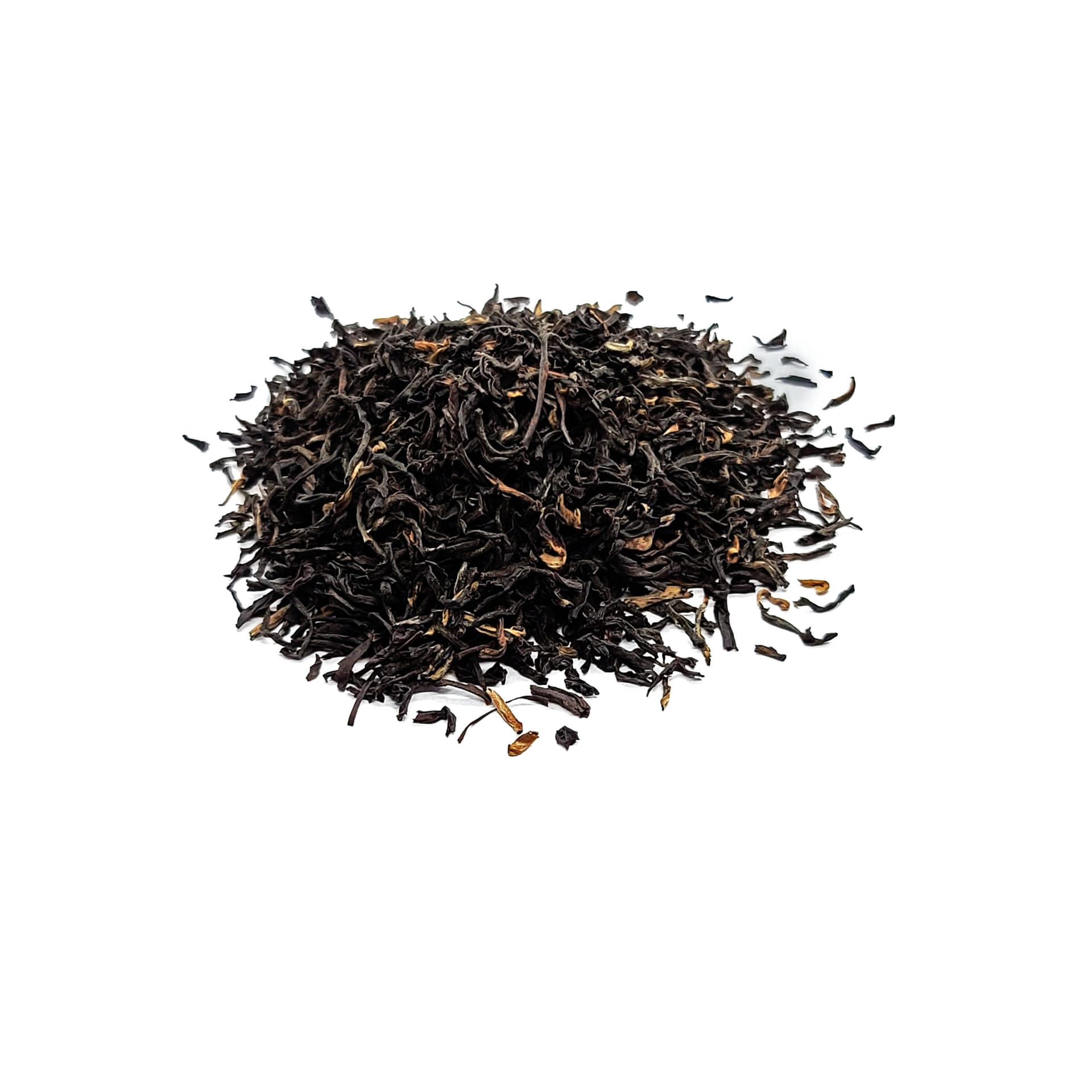
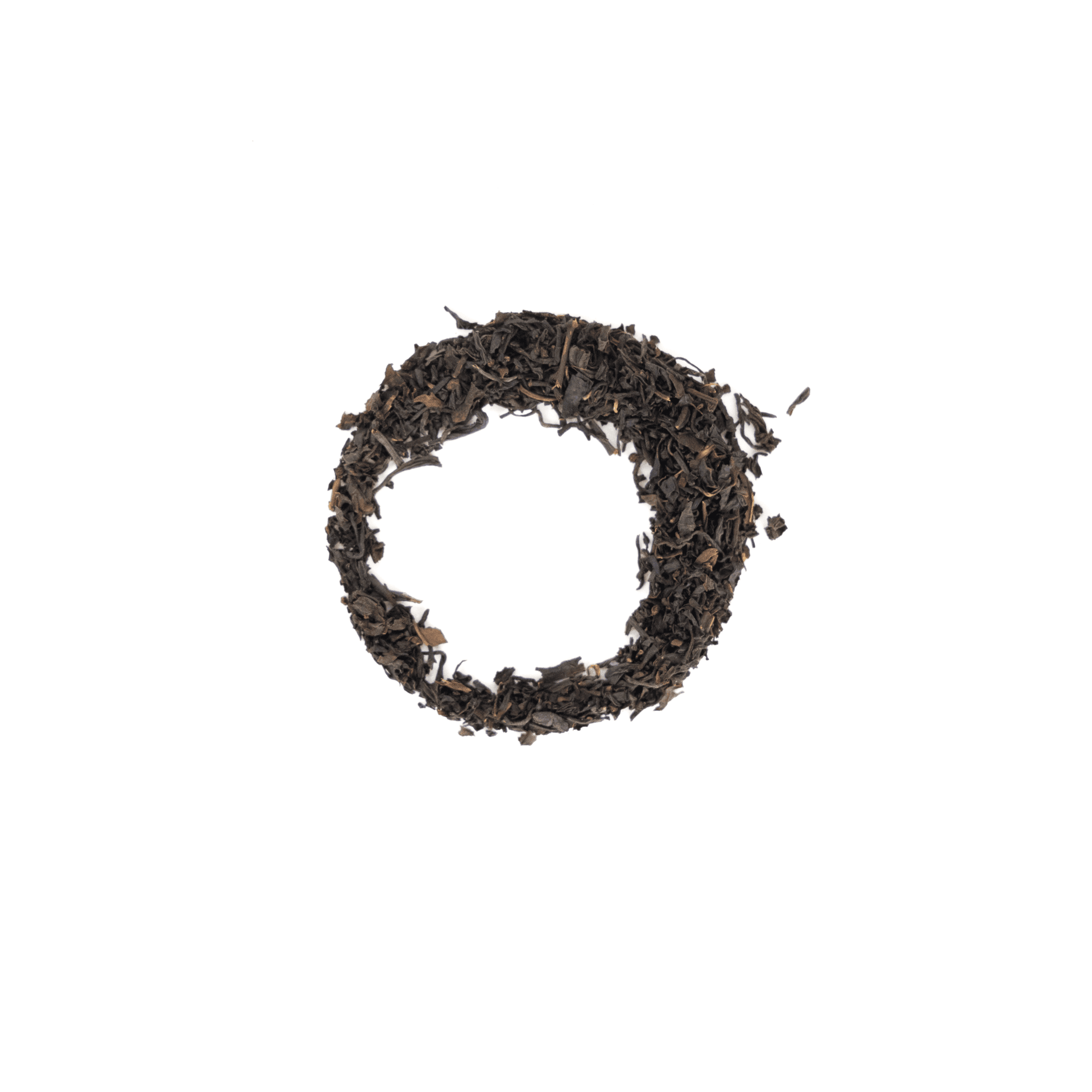
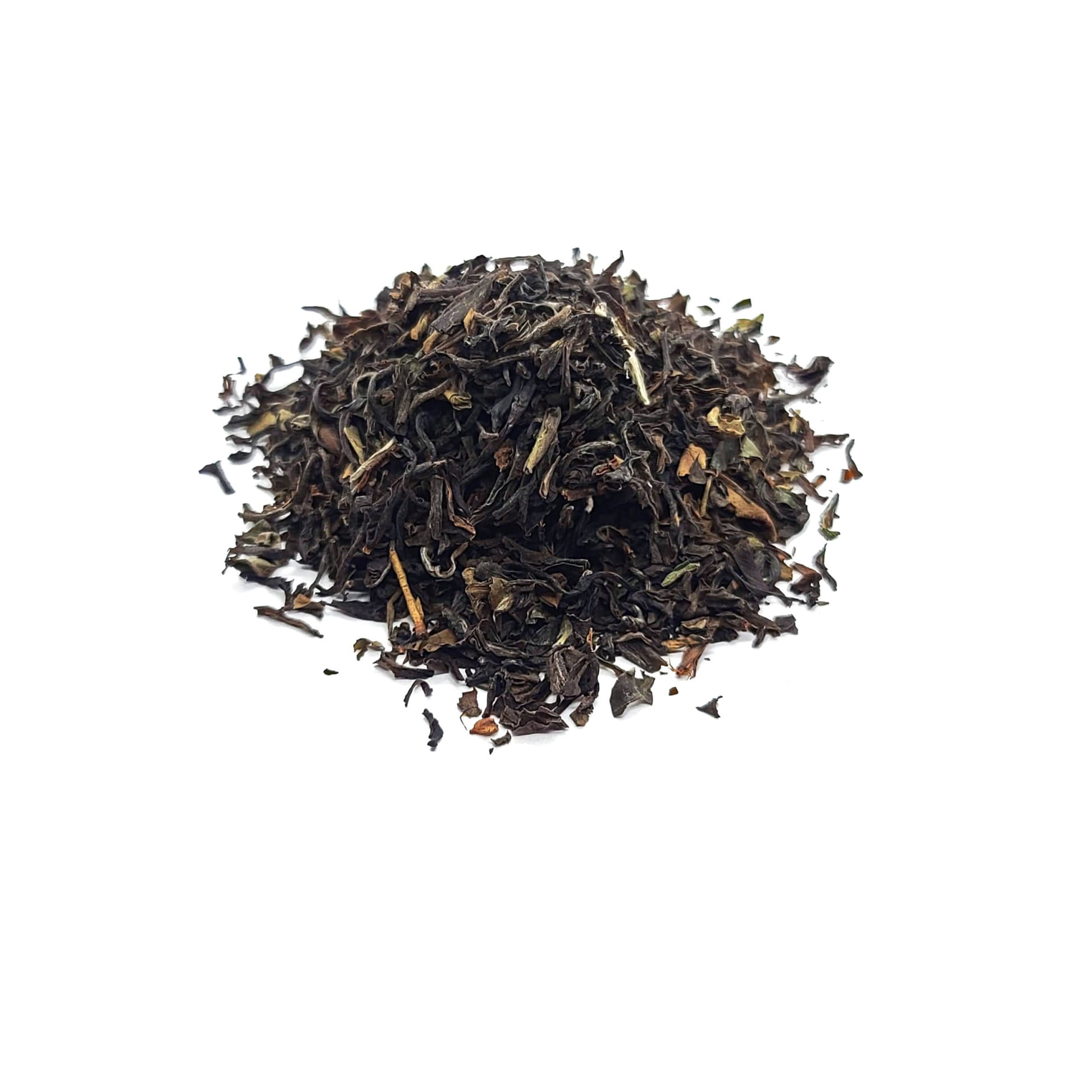
Decaffeinated black tea earns its place at the table by tasting like the real thing: a full-bodied, earthy cup with honey and milk notes and real thickness on the tongue, not the thin shadow decaf sometimes turns out to be. The trick is in how the caffeine leaves. Producers expose the leaves to CO2 held at high pressure, where it turns supercritical and acts as a solvent, binding to caffeine molecules in the leaf. The caffeine-laden CO2 is then filtered out and can be recycled for the next batch, while the leaves return to normal atmospheric conditions to dry. Because the process targets caffeine specifically, the leaf keeps most of its original aroma and flavour compounds intact, and the result is between 96 and 98 percent free of its original caffeine. An 8 fluid ounce (240 ml) cup ends up with about 4 milligrams of caffeine, roughly 2 percent of what a regular cup would carry.
That flavour profile makes it a natural match for milk or a spoonful of honey, both of which round out the earthy backbone rather than fighting it. To brew it, use one teaspoon of loose leaf per cup and water just off the boil, around 100°C. Let it steep for about four minutes; push toward the longer end if you want a stronger, more robust cup, since steeping time is really the main lever you have to shape the final taste. Strain well before serving, since leaving the leaves in past your preferred strength will start to pull out more bitterness than character.
Because supercritical CO2 decaffeination works without harsh chemical solvents, it has become one of the more trusted methods for stripping caffeine while leaving a black tea's character mostly untouched, which is part of why this one still drinks like a proper black tea rather than a compromise.