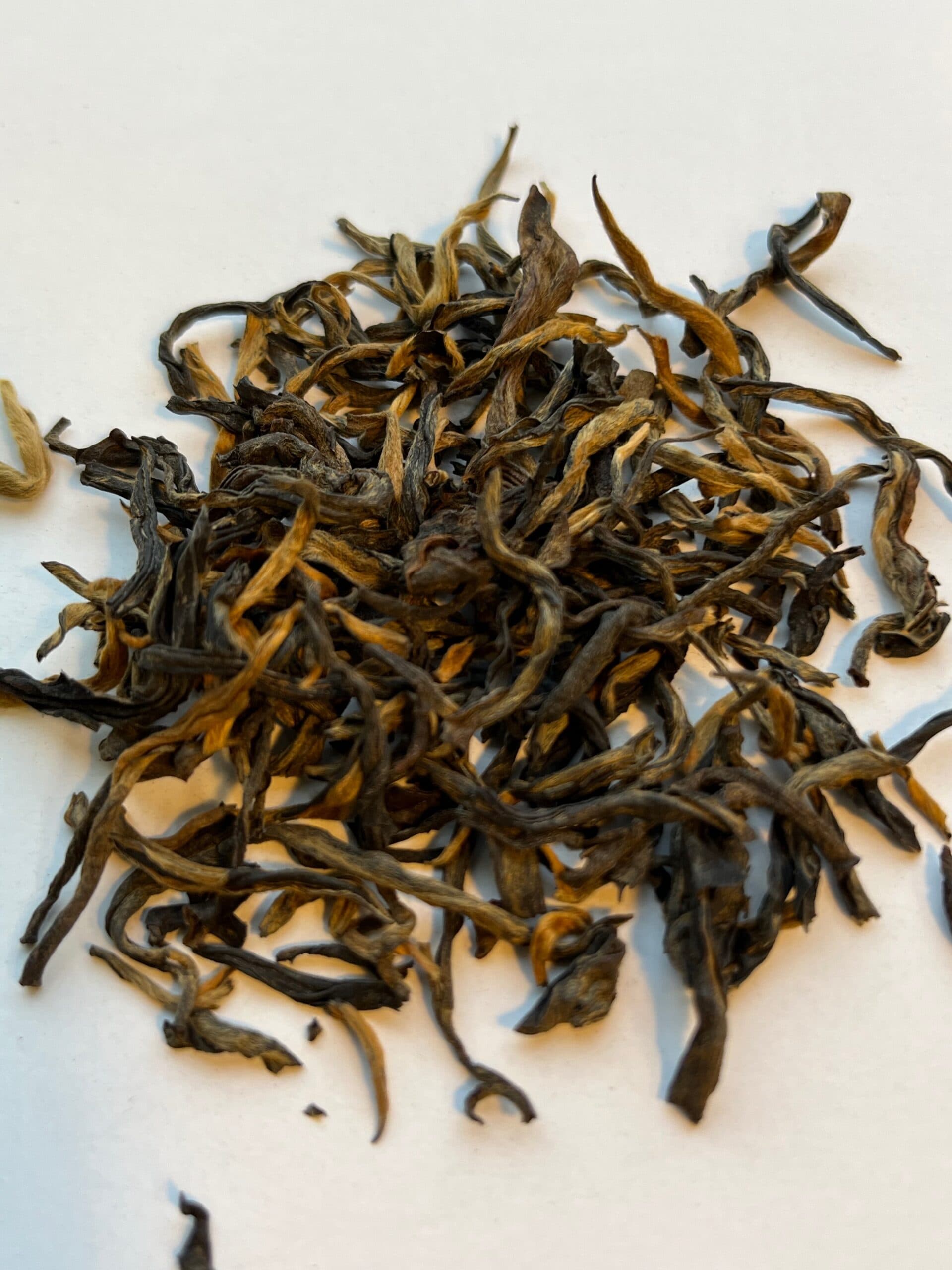
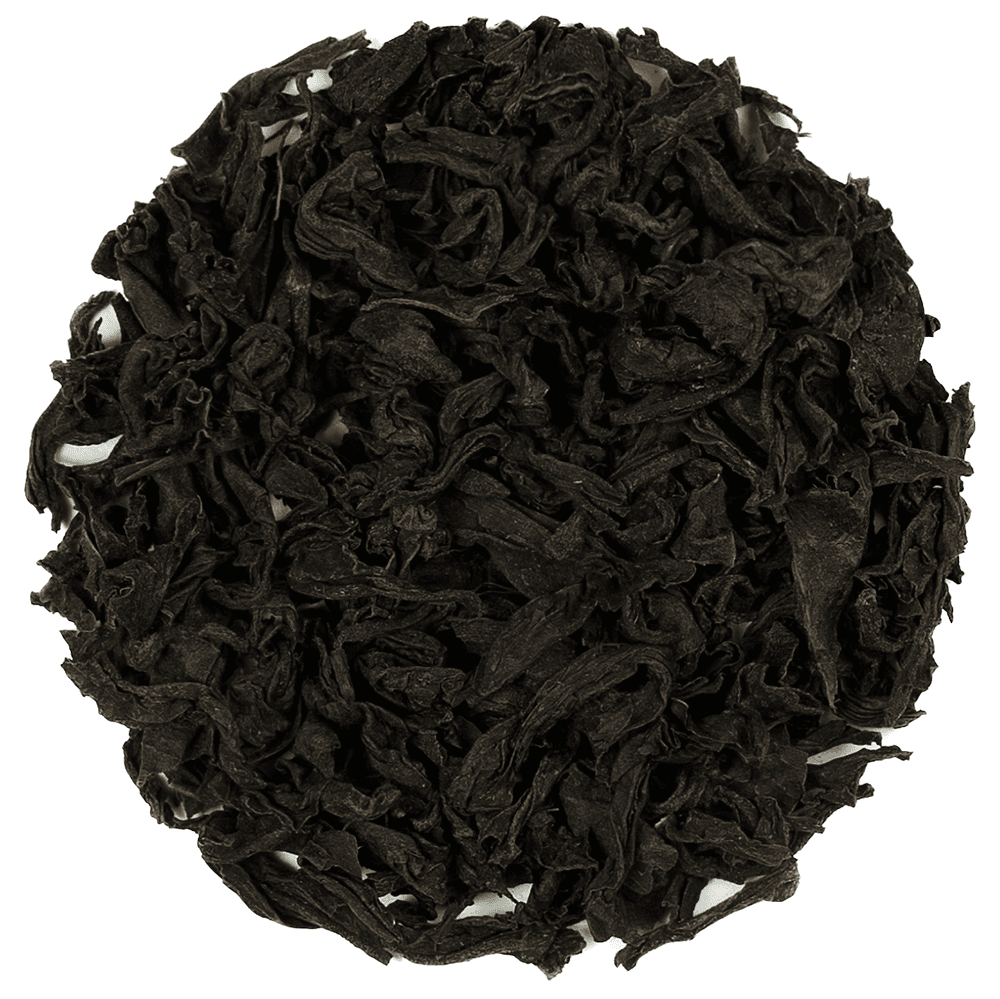
This is my final version. Outputting it now.
Start with the cup: fruity and bright with raspberry, but underneath that there's a malty backbone, a herbal edge, and even a faint coffee-like depth, all sitting on a texture some drinkers call thick rather than brisk. That base is a full-bodied Ceylon black tea from Sri Lanka, an island nation whose large-scale tea growing only took off in the nineteenth century, after a plant disease destroyed the local coffee harvest and farmers switched crops instead. Sri Lanka is now the fourth-largest tea producer in the world, behind China, India and Kenya.
The raspberry side of the blend is doing two jobs at once. Alongside raspberry flavour, it includes actual raspberry leaf tea, a herbal tea made from the plant's leaves rather than its fruit. On its own, raspberry leaf is an infusion long associated with easing labour, relieving morning sickness, and other pregnancy-related uses. Blend it into black tea, though, and the picture changes: the black tea component brings a real dose of caffeine, around 45mg per serving, so anyone drinking raspberry leaf specifically for those traditional pregnancy purposes may prefer to avoid this combined version. The tea also carries a spread of vitamins, minerals and antioxidant compounds -- calcium, magnesium, potassium, iron, kaempferol, quercetin and flavonoids among them, constituents sometimes credited with helping the body cope with everyday oxidative stress.
Brewing is straightforward: about five grams of leaf in a filter or infuser, freshly boiled water at 100°C, and three to five minutes to steep. It's best served plain, with nothing added, so the fruit, malt and herbal notes stay distinct rather than getting muddied.