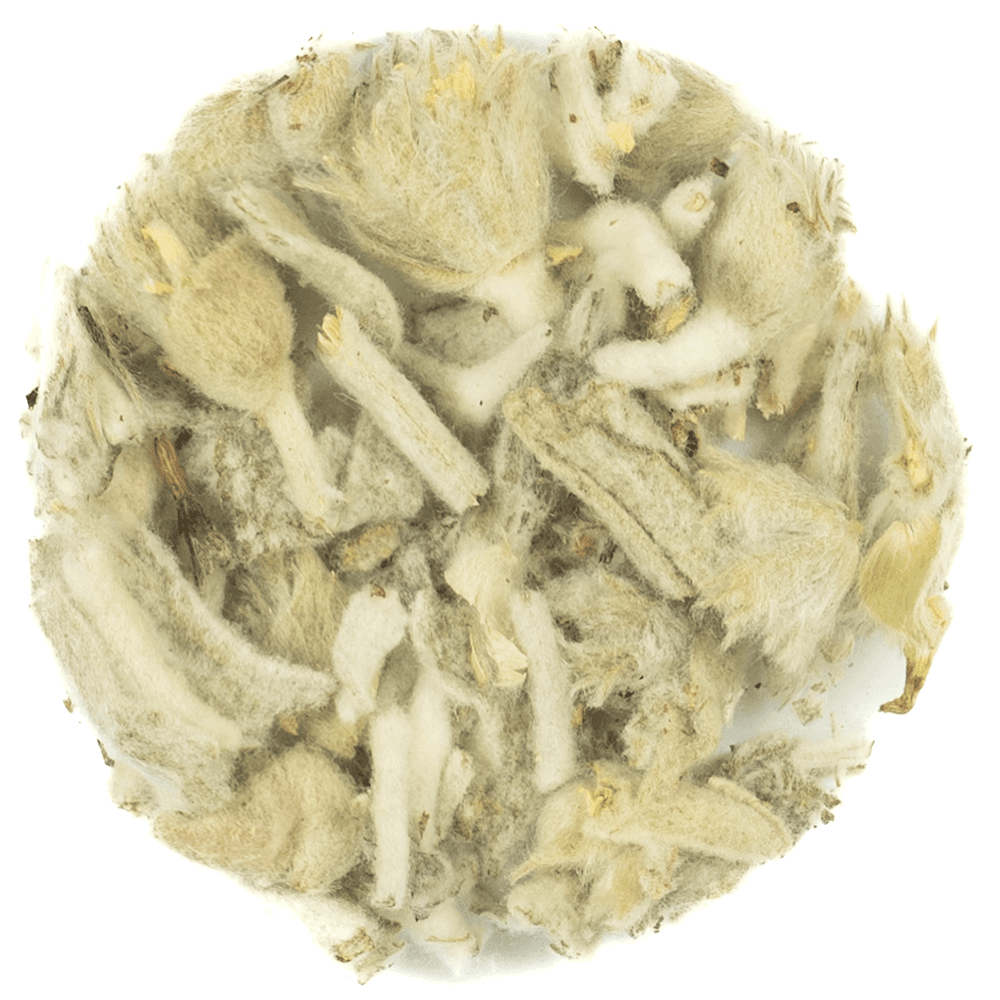
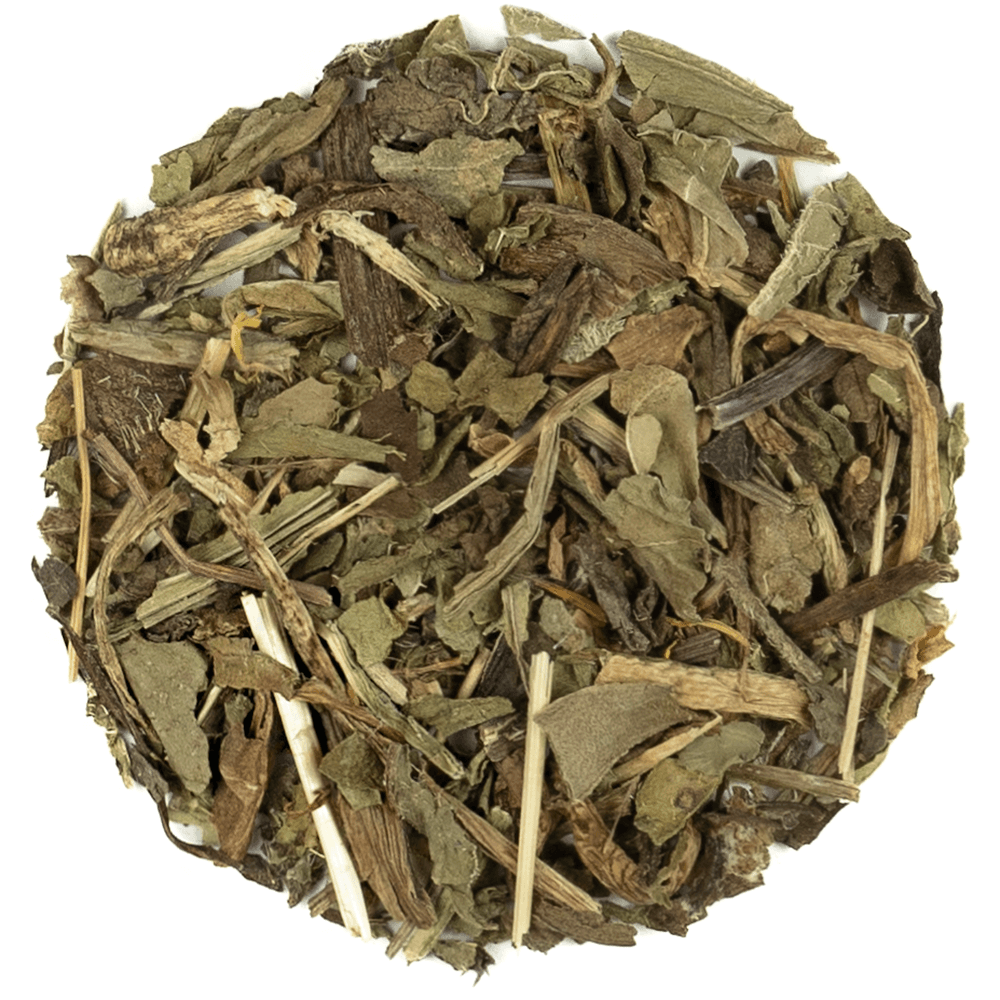
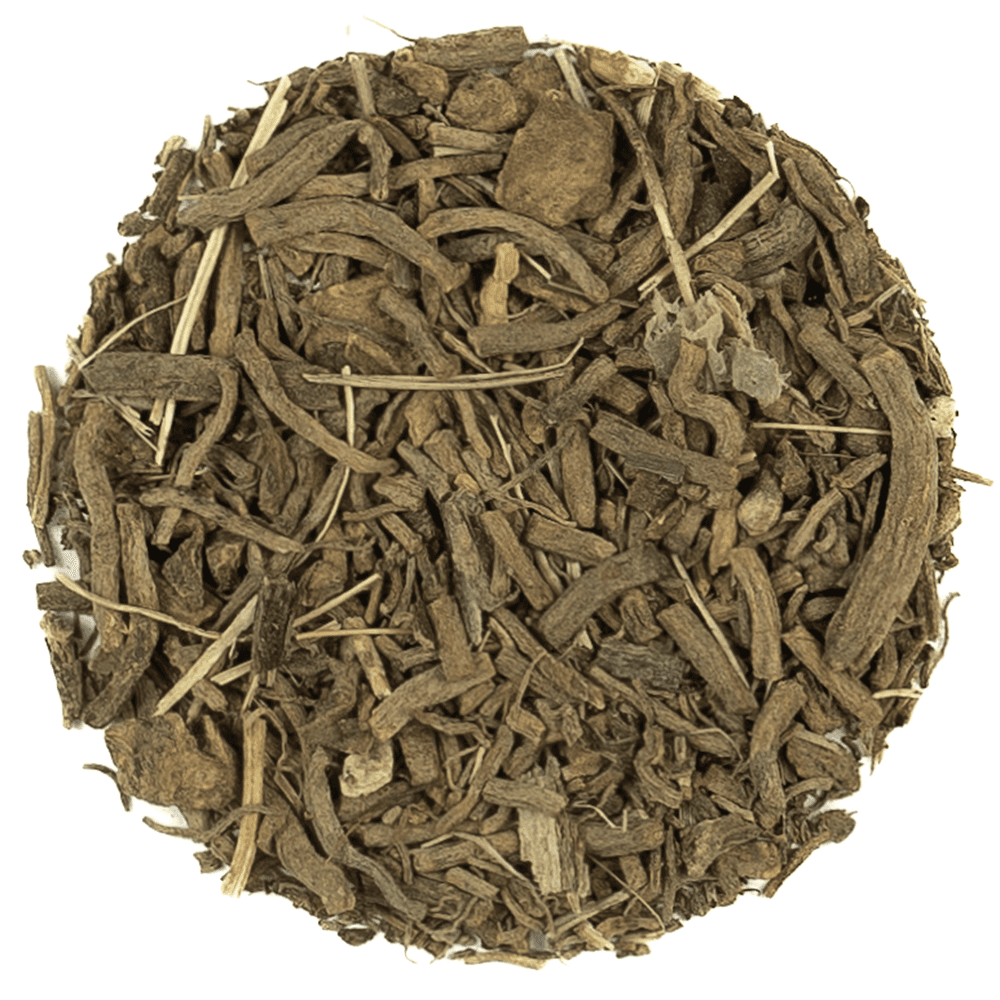
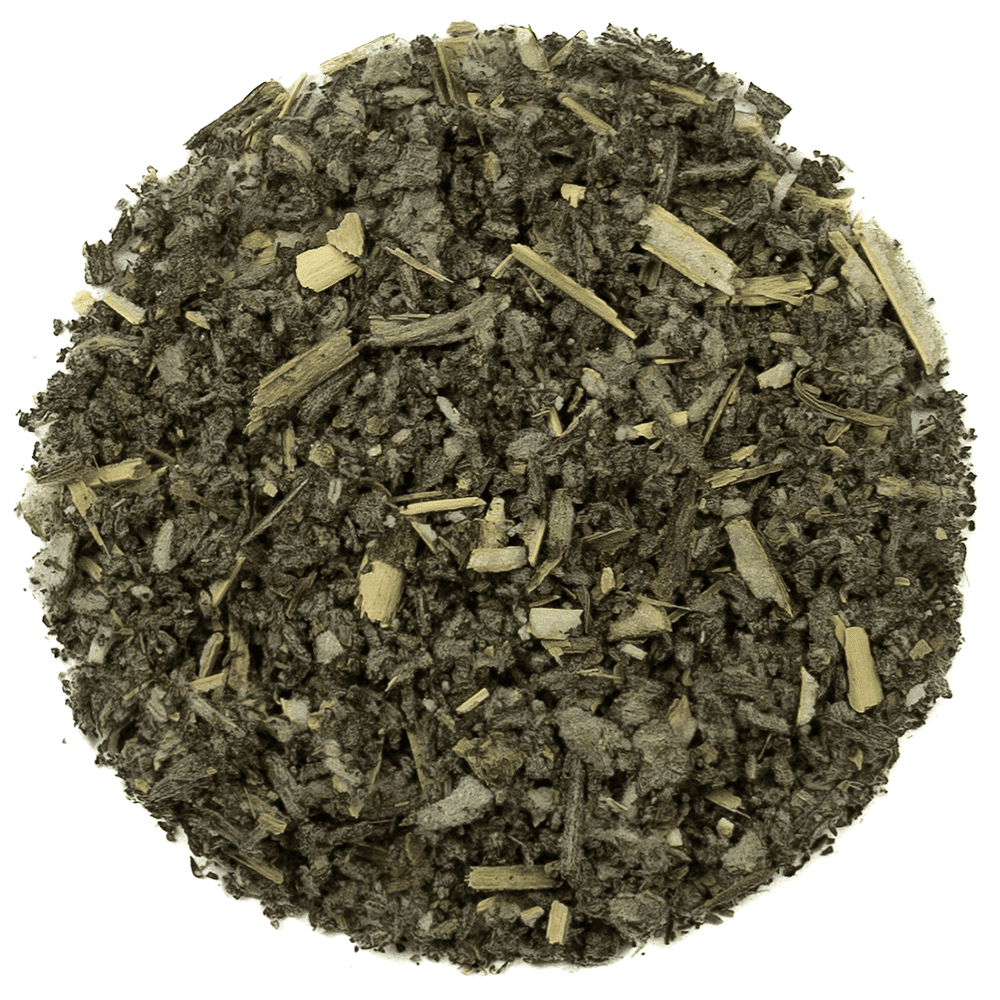
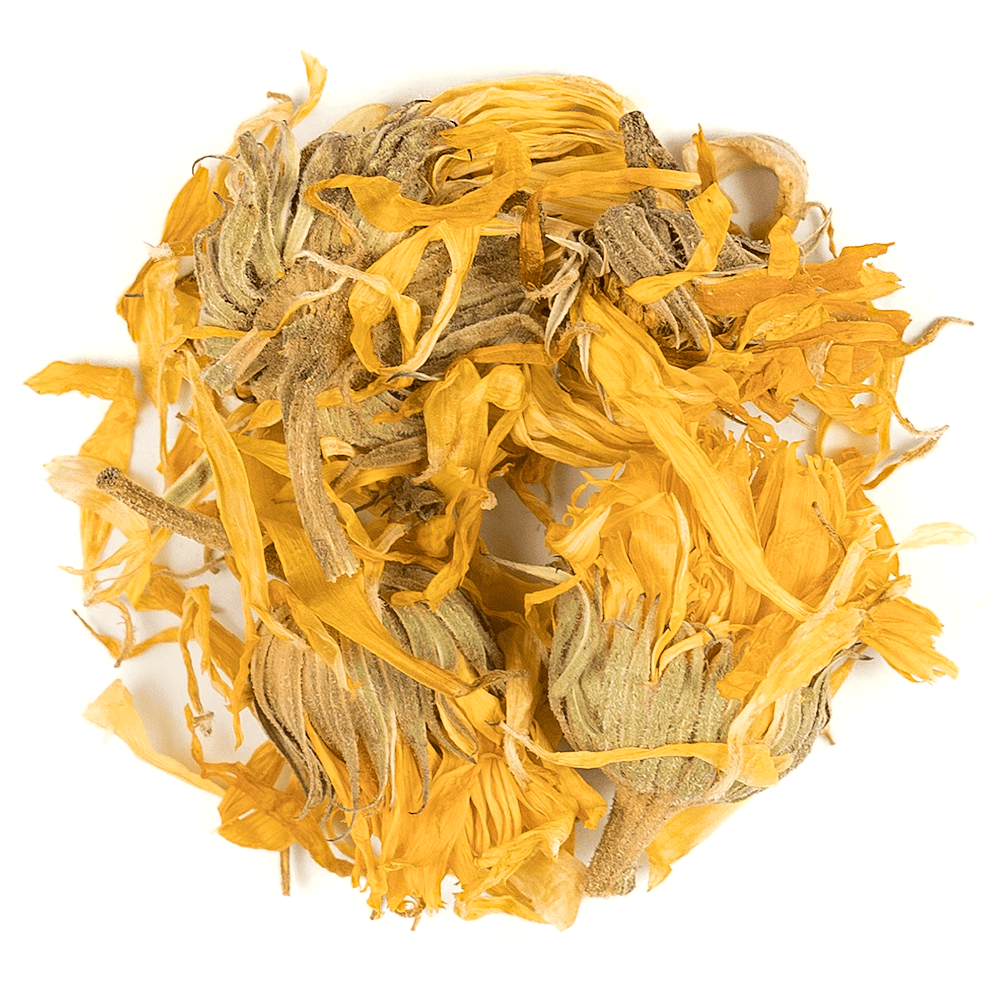
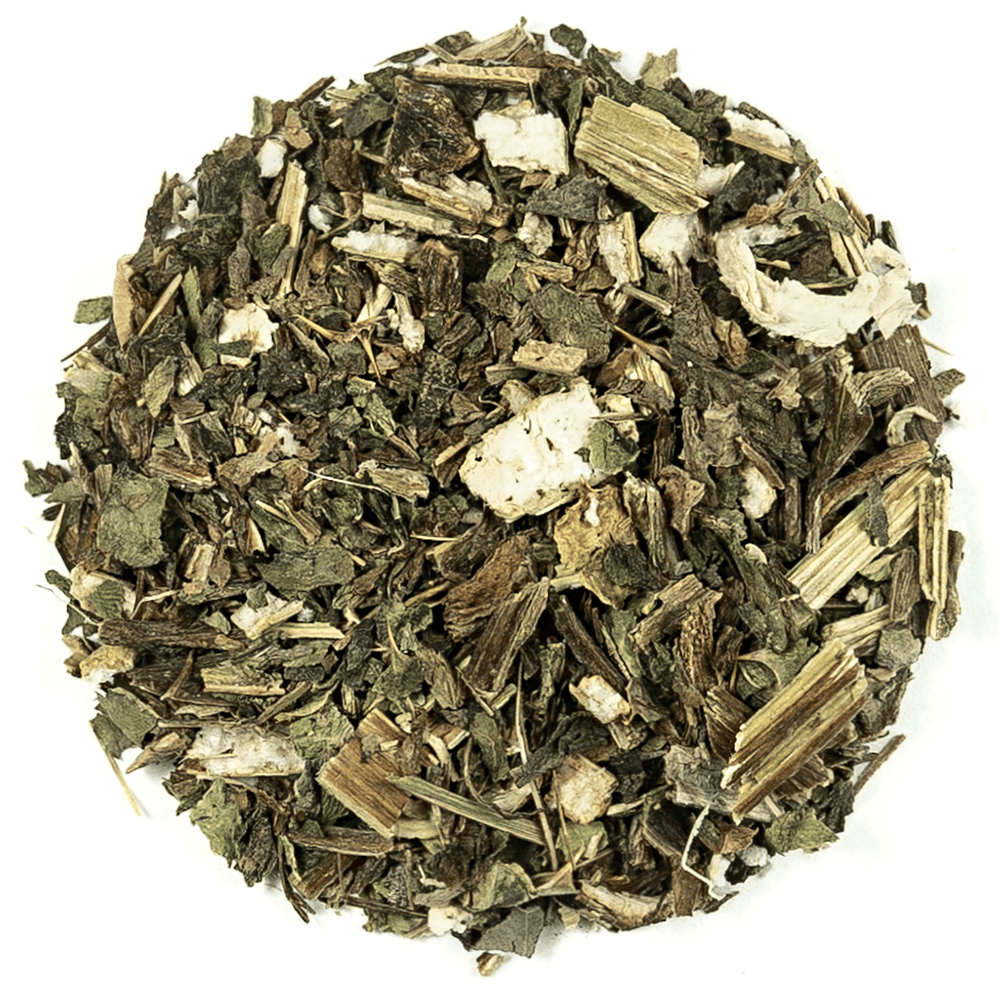
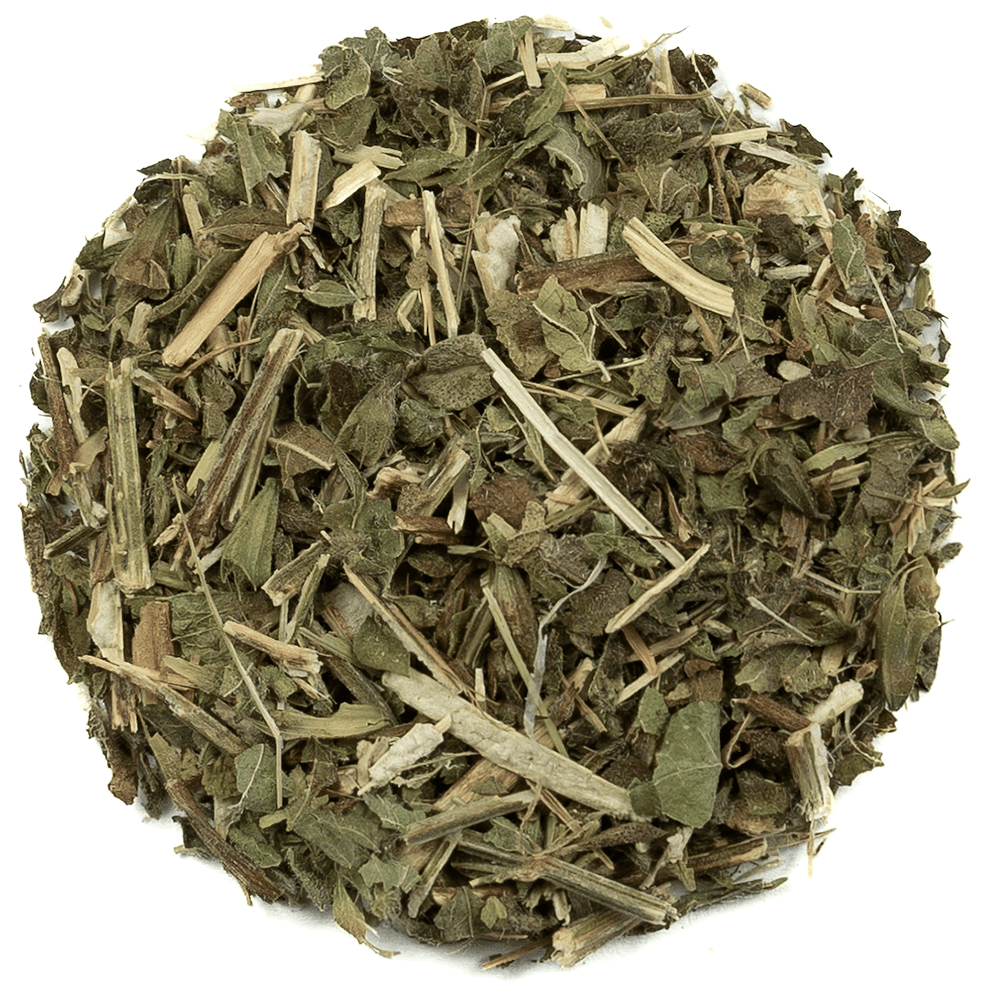
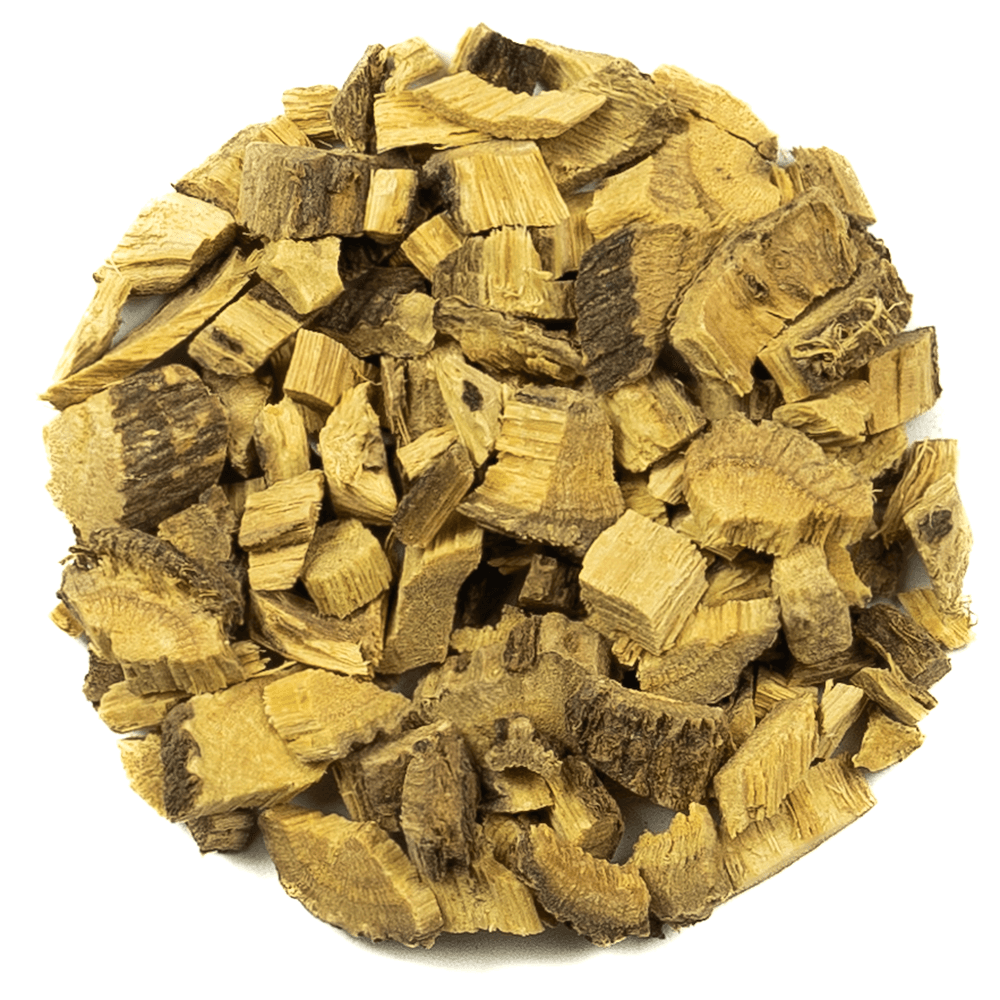
The root that goes into this cup takes a full year in the ground before it's ready — burdock (Arctium lappa) is dug in its first autumn or the following spring, when its earthy, faintly sweet character is most concentrated. The plant grows across temperate regions of Europe, Asia, and North America, favoring cooler climates with well-drained, organically rich soil and either full sun or partial shade. Once pulled, the roots are cleaned, cut, dried, and either kept whole or ground before they're sold.
Burdock root's biggest following is in Japan, where it's known as gobo and treated as a kitchen staple as much as a medicinal one; it also shows up in Korean cooking and across parts of Europe. Its use in tea and food stretches back to ancient Chinese medicine, where it was reached for during colds, sore throats, and fever, and it turns up again in medieval European herbal remedies aimed at the skin and blood. Traditionally, it has been used to support digestion and the immune system, and some drink it in the evening for its calming, sleep-friendly reputation, though none of that should stand in for a doctor's advice, especially for anyone pregnant or managing an existing condition.
In the cup, expect something earthy and grounding, closer to artichoke or a mild dandelion root tea than anything sweet, with soft floral, mint, and honeyed date notes underneath, and a squeeze of lemon brings out its natural sweetness. It's naturally caffeine-free, so there's no real wrong time of day to drink it.
To brew it, use about a tablespoon of dried root per 250ml of boiling water (100°C) and let it steep for five to ten minutes; the longer end of that range pulls out a fuller, more robust flavor. Strain before drinking, and add honey, lemon, or mint if you want to soften the earthiness further.