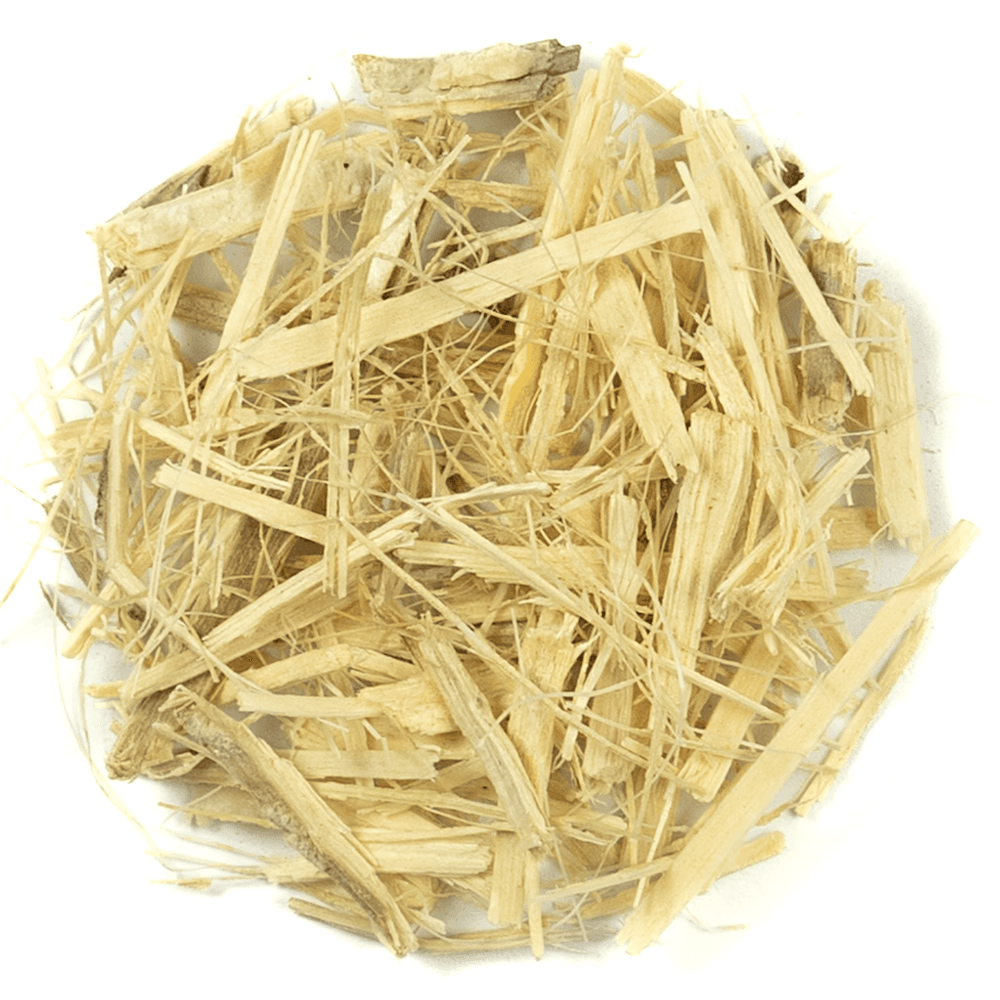
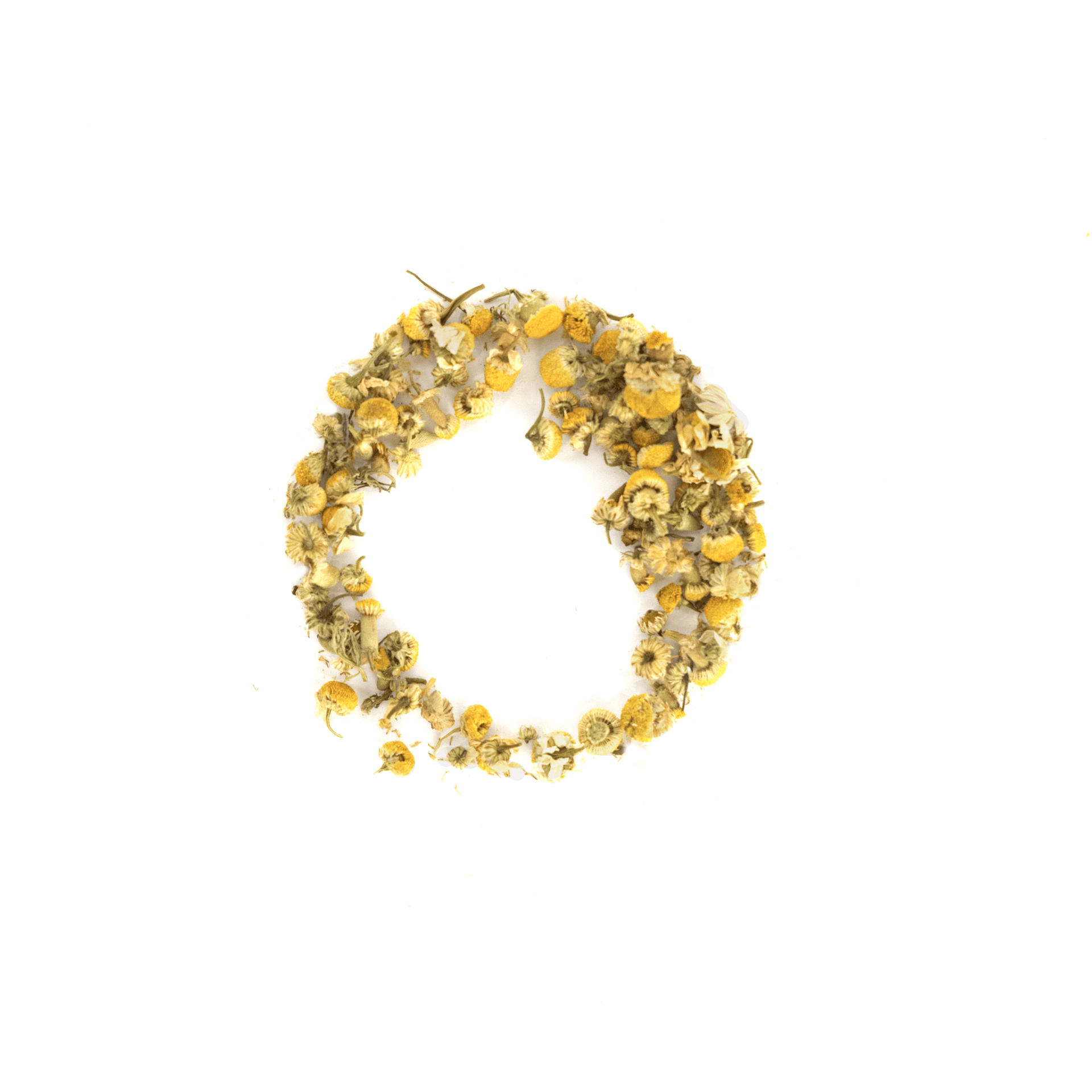
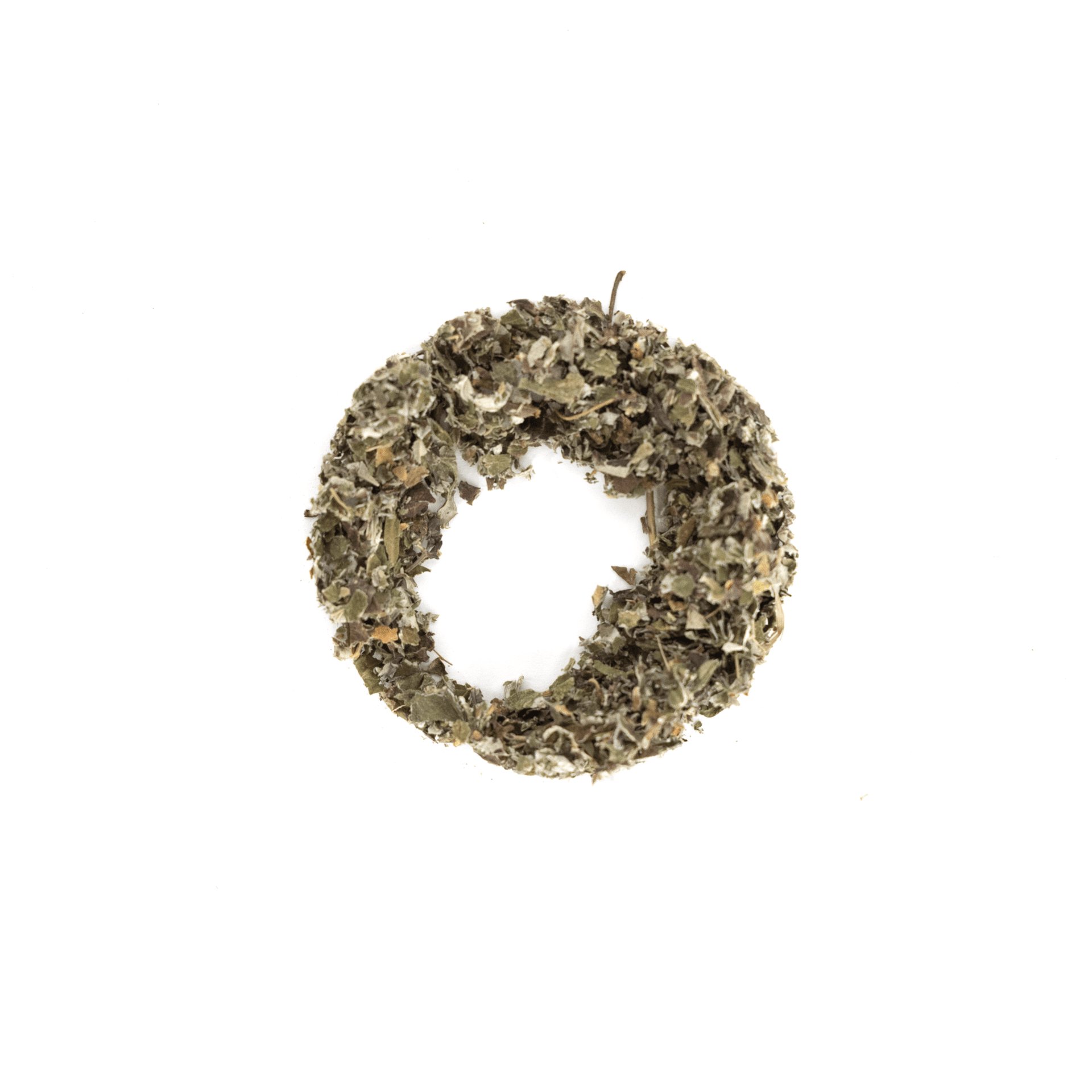
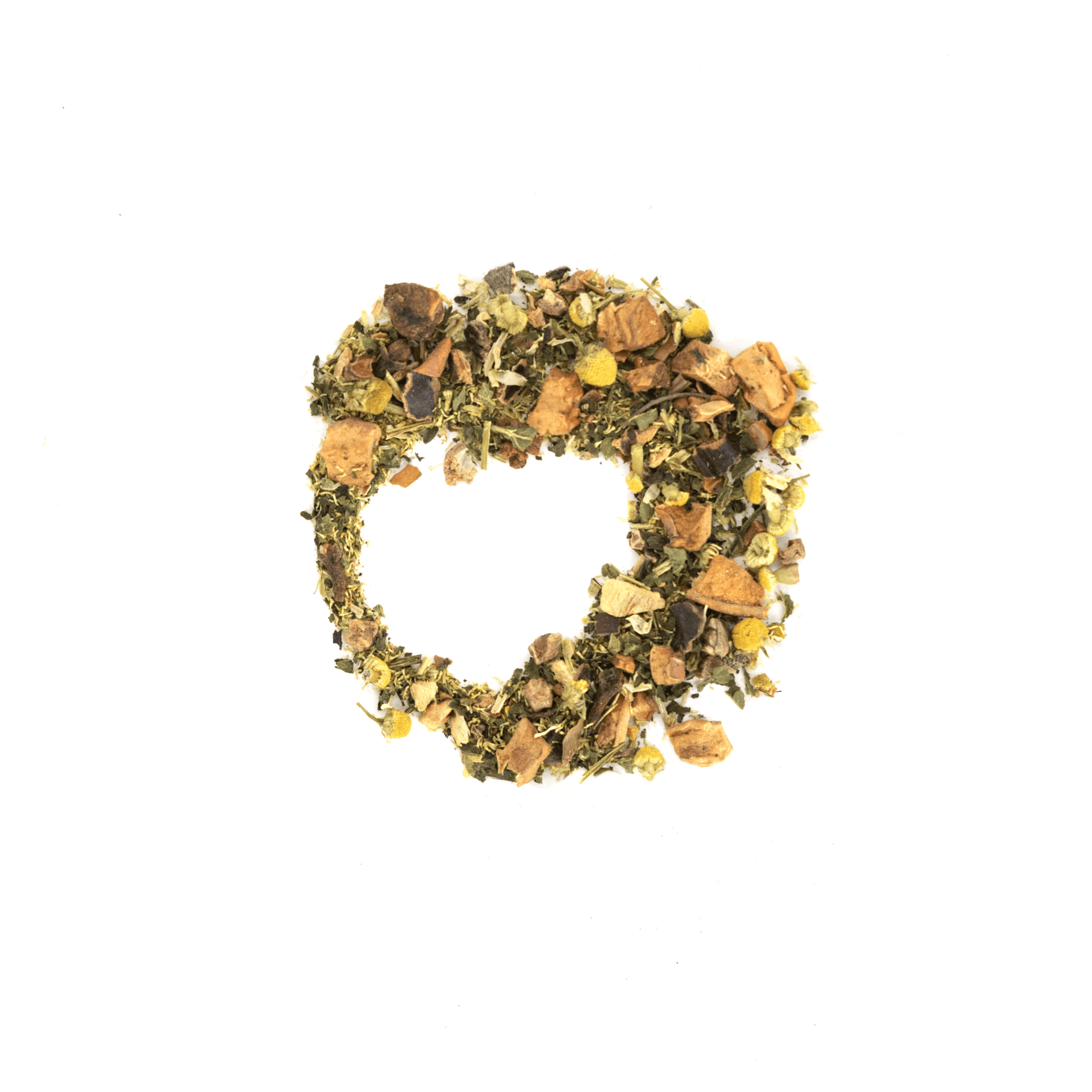
Vervain earns its place in the herbal cabinet through folklore as much as flavour. The plant, Verbena officinalis, is a slender perennial that grows to about a metre and carries small pale-lilac flowers; native to the Mediterranean, it has since spread through North America and beyond. Its common names hint at a long, strange history of belief attached to it — Enchanter's Balm, Herb of the Cross, Herb of Grace, Ironweed, Juno's Tears. Egyptians linked it to the tears of Isis, Persians treated it as sacred, and Greeks and Romans used it to cleanse temples and bless altars. Druids built it into ritual practice during the era of British and Irish paganism, soldiers reportedly carried it into battle for luck, and Norse followers of Thor worked it into their ceremonies. That thread continues into Wiccan and pagan practice today, where it's still associated with protection and psychic clarity.
In the cup, the leaf gives an earthy, herbaceous liquor with real astringency — thick-bodied, tilting toward honeyed sweetness alongside the floral and herbal notes, with a bitter, tangy edge on the finish. It carries no caffeine, so it suits an evening pour as easily as a daytime one. This batch is packed fresh to order at Tea & Coffee's Kent facility.
To brew it, use loose leaf rather than a bag: a teaspoon or two per cup, water off the boil, and a steep of around seven and a half minutes — closer to ten if you want the flavour to deepen. Vervain has long been drunk to settle the stomach, ease breathing complaints, and take the edge off stress, and some drink it as a mild diuretic. None of that makes it medicine, but it explains why people have kept reaching for this particular leaf for so many centuries. A little honey balances the bitterness if the astringency runs stronger than you'd like.