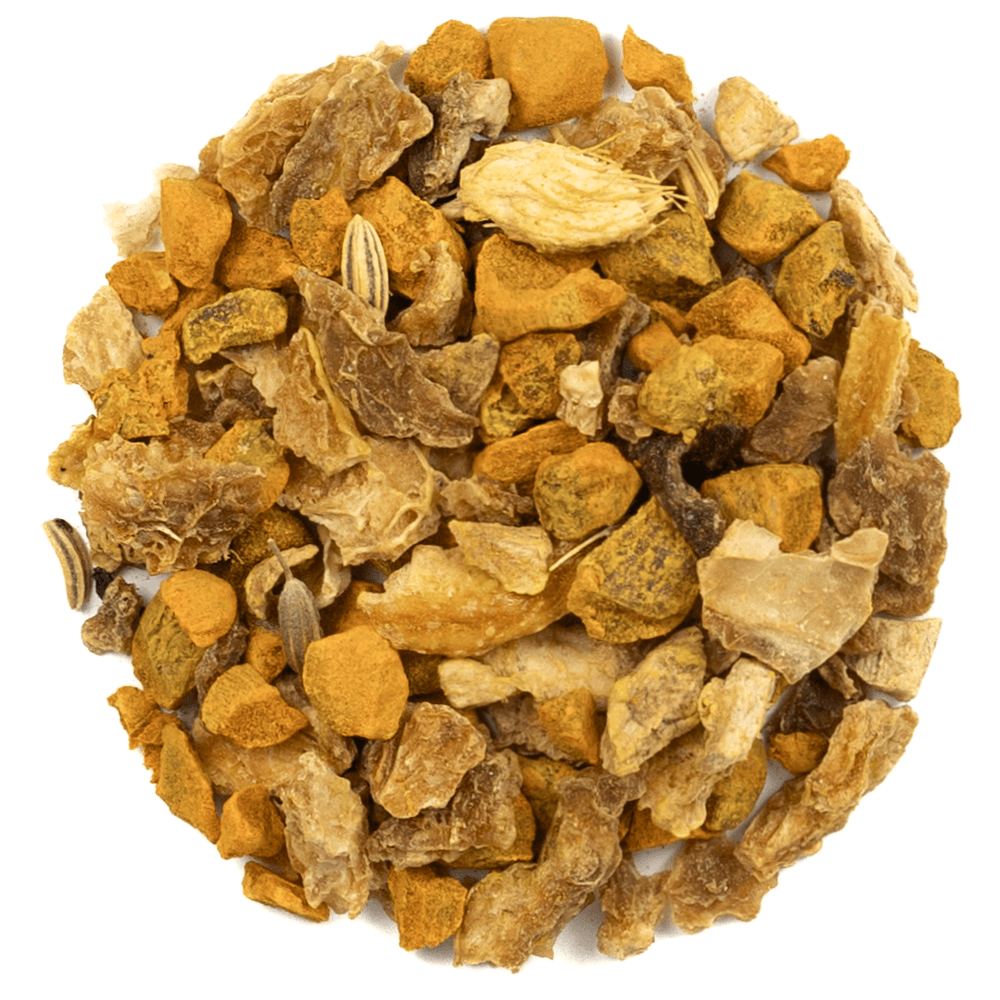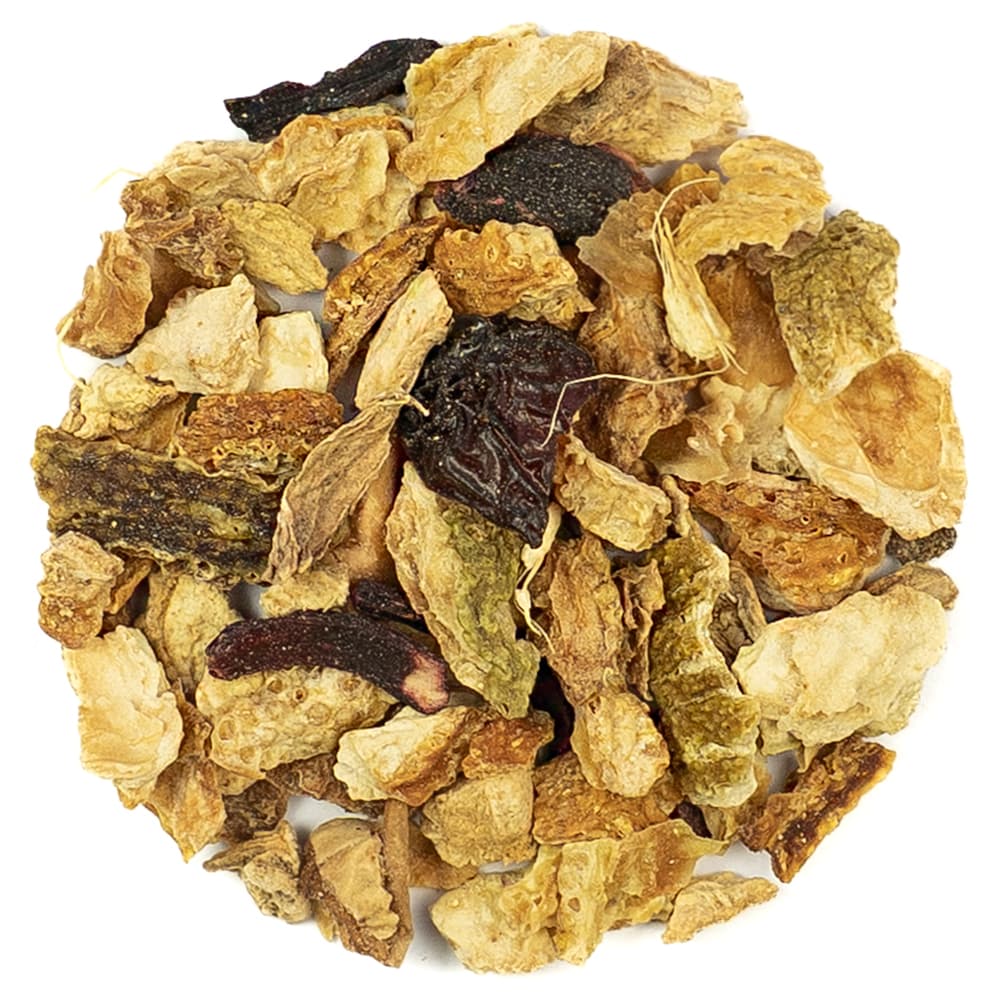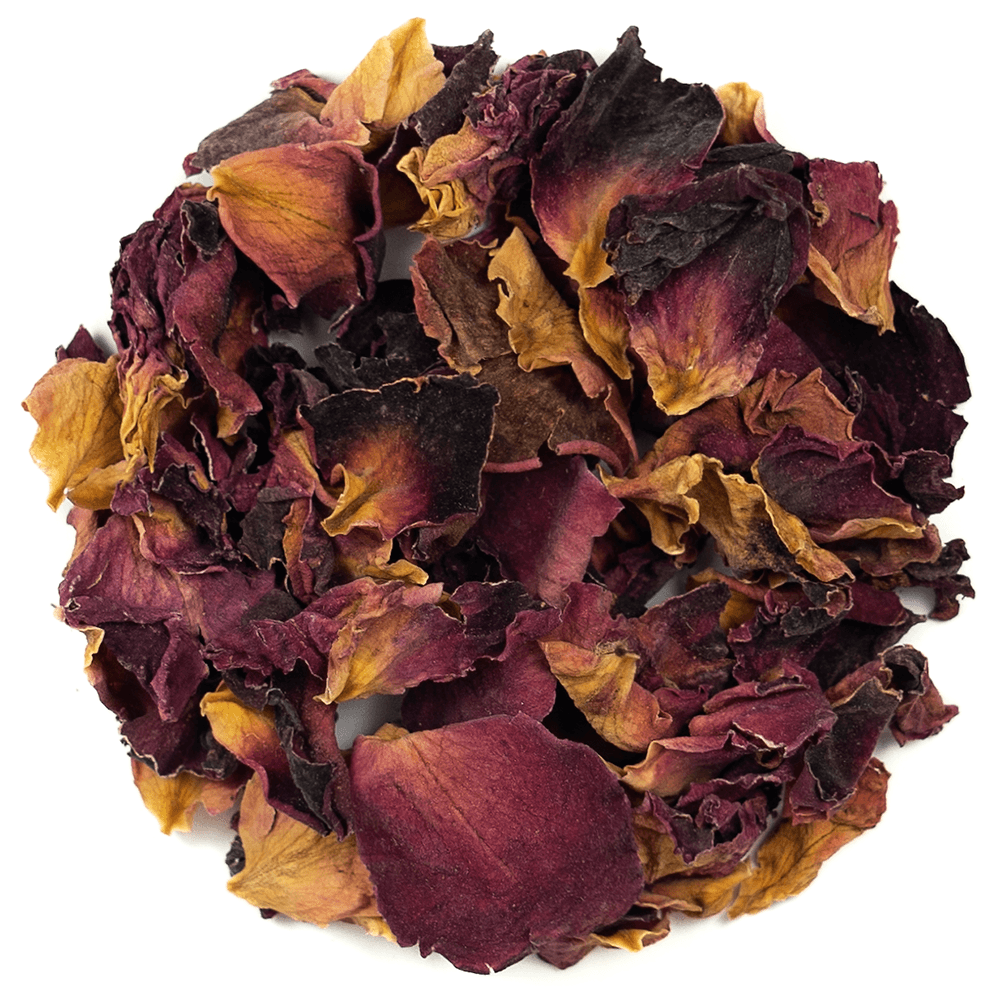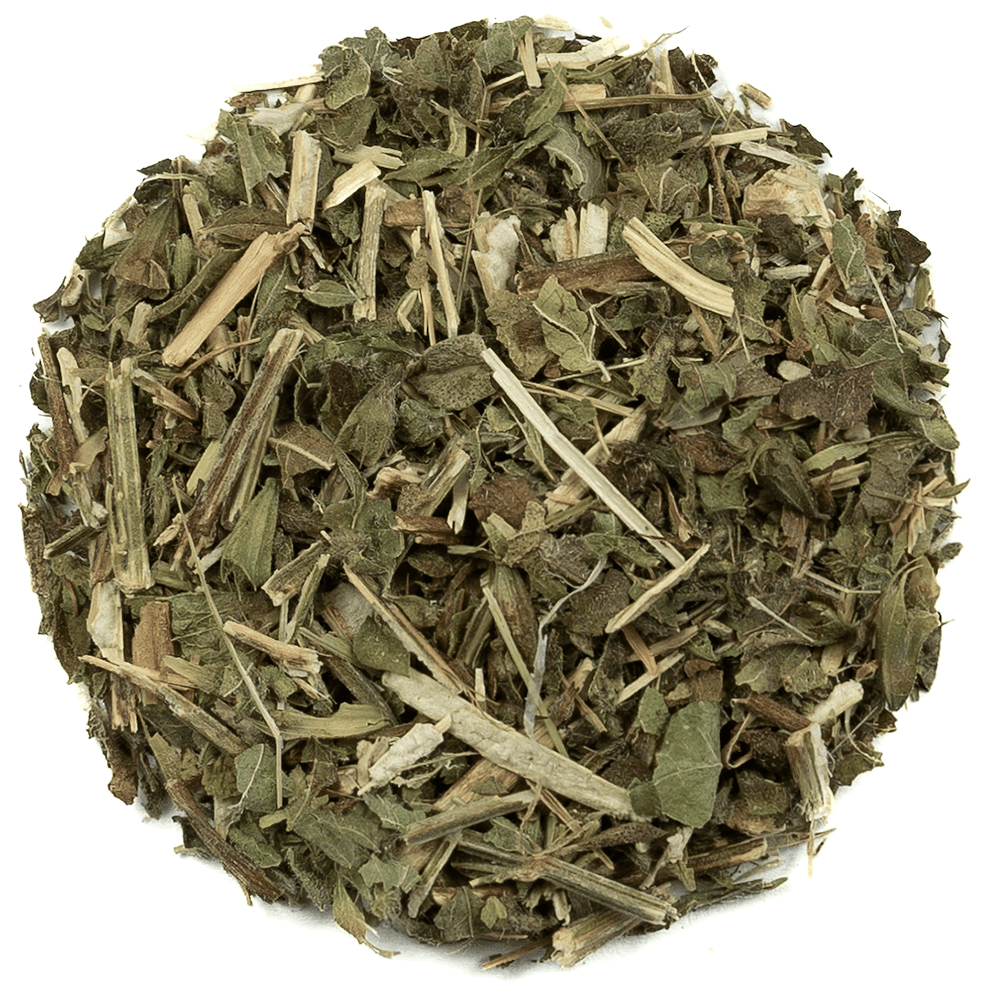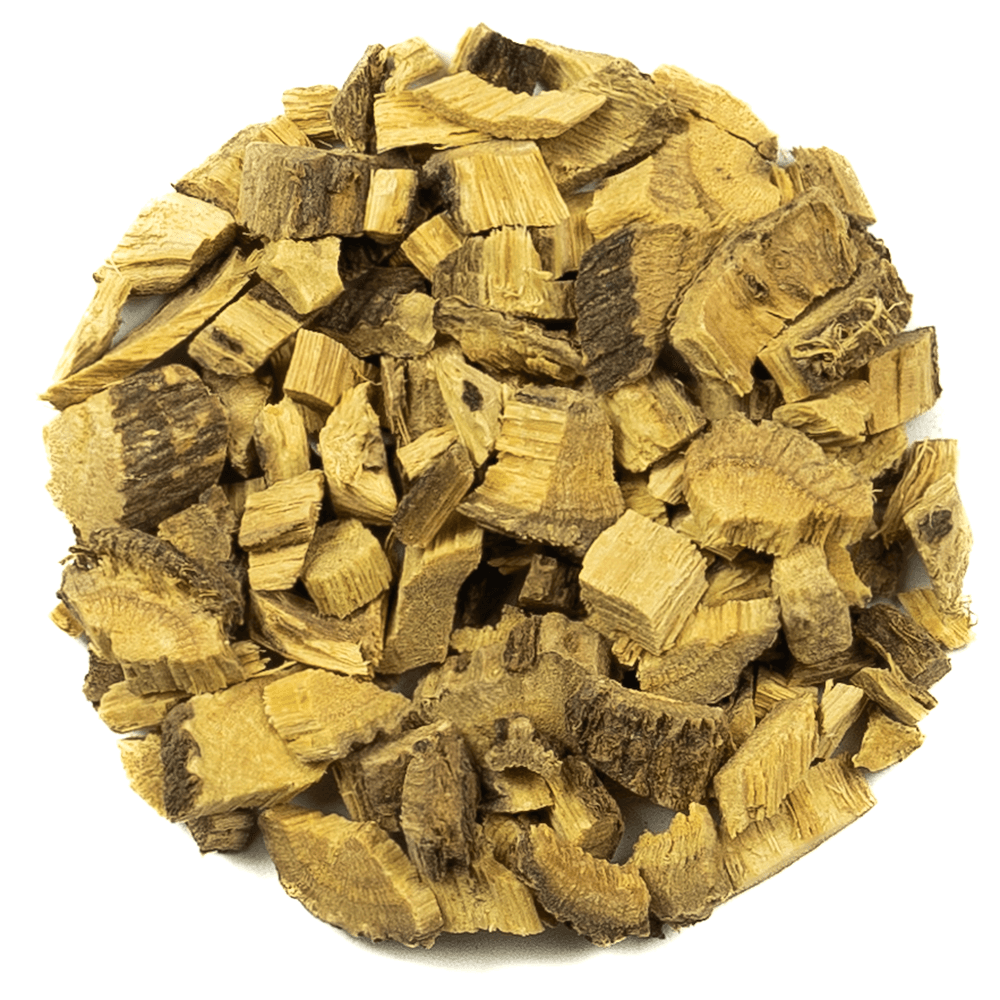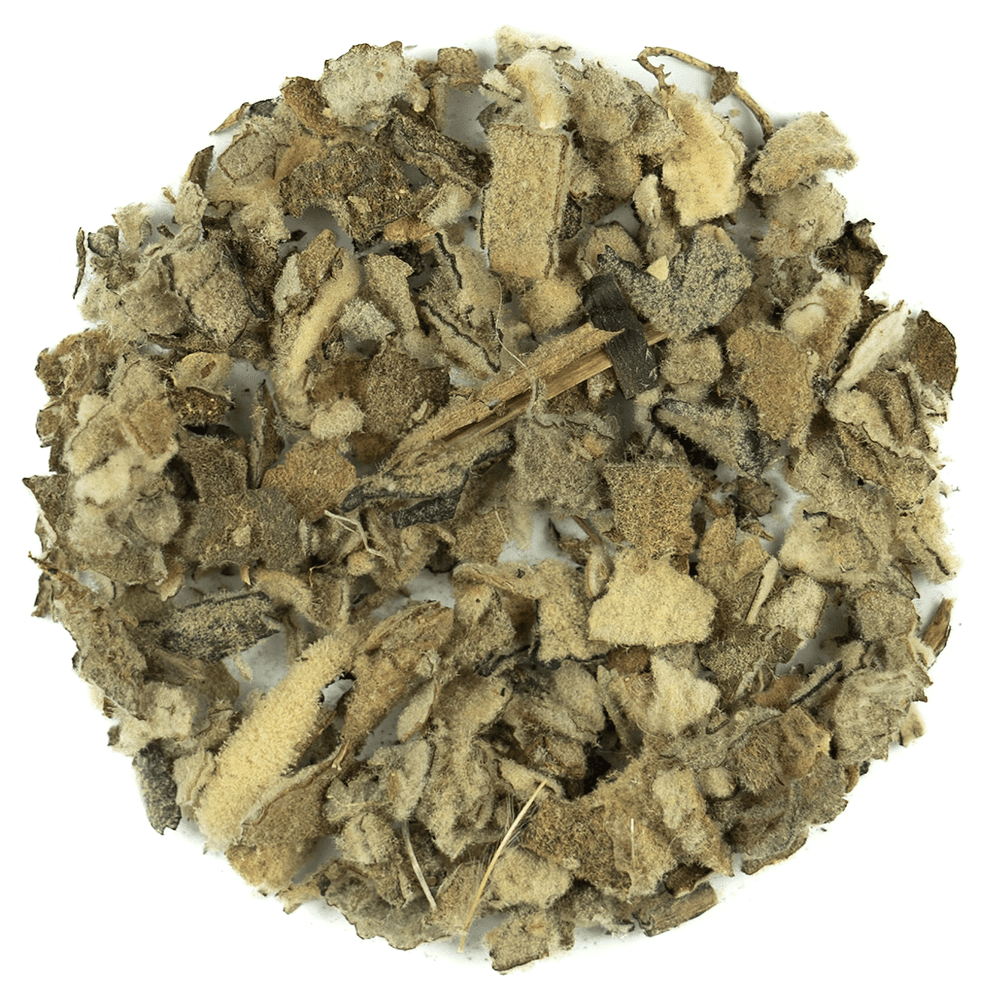
Dried root of Zingiber officinale, steeped hot: that's the whole method behind this naturally caffeine-free infusion, and it's one of the oldest herbal brews still in daily use. Ginger has been prepared as a warming drink in China and India for thousands of years, holding a steady place in both Ayurvedic and traditional Chinese medicine. As trade routes carried it through the Roman Empire and into the Middle East, Africa and Europe, its reputation for flavour and comfort travelled with it. By the colonial period ginger was being grown across the Caribbean and West Africa too, and today the root reaching most kitchens still comes from tropical growing regions, particularly India, Nigeria, China and Nepal.
The cup itself is bold and warming, with a spicy, slightly peppery edge set against natural earthiness and a background sweetness. Notes of lemon and tropical fruit show up alongside honey, spice and a faint medicinal quality, and the texture stays smooth rather than sharp. Steep it longer and the heat deepens into something more robust that lingers on the palate; either way it drinks as grounding rather than harsh, and lemon or honey stirred in brings out the brightness.
Loose dried root brews well: a teaspoon in an infuser, freshly boiled water at 100°C, ten minutes to pull out the full character. Fresh ginger works differently: peel and thinly slice an inch or two of root, add it to a litre of simmering water, and let it go for ten to twenty minutes before straining. Both routes land in the same family of flavour, with fresh root giving a brighter, sharper edge.
Ginger tea has long been drunk to settle the stomach and ease mild nausea, and its warming character has made it a familiar choice through cold and flu season, traditionally credited with supporting circulation as well. Some research suggests it may also have a role in blood sugar balance and general cardiovascular wellbeing, though these effects are modest and worth treating as a pleasant habit rather than a remedy.