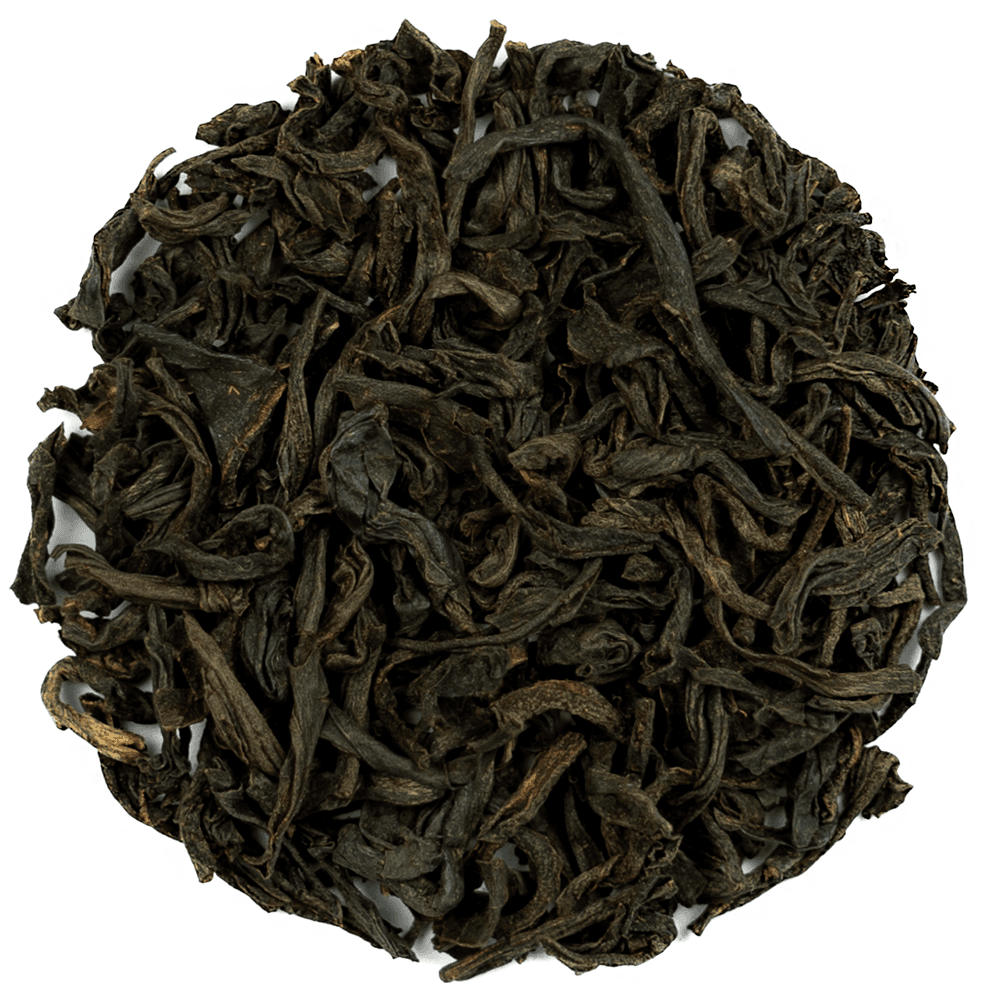
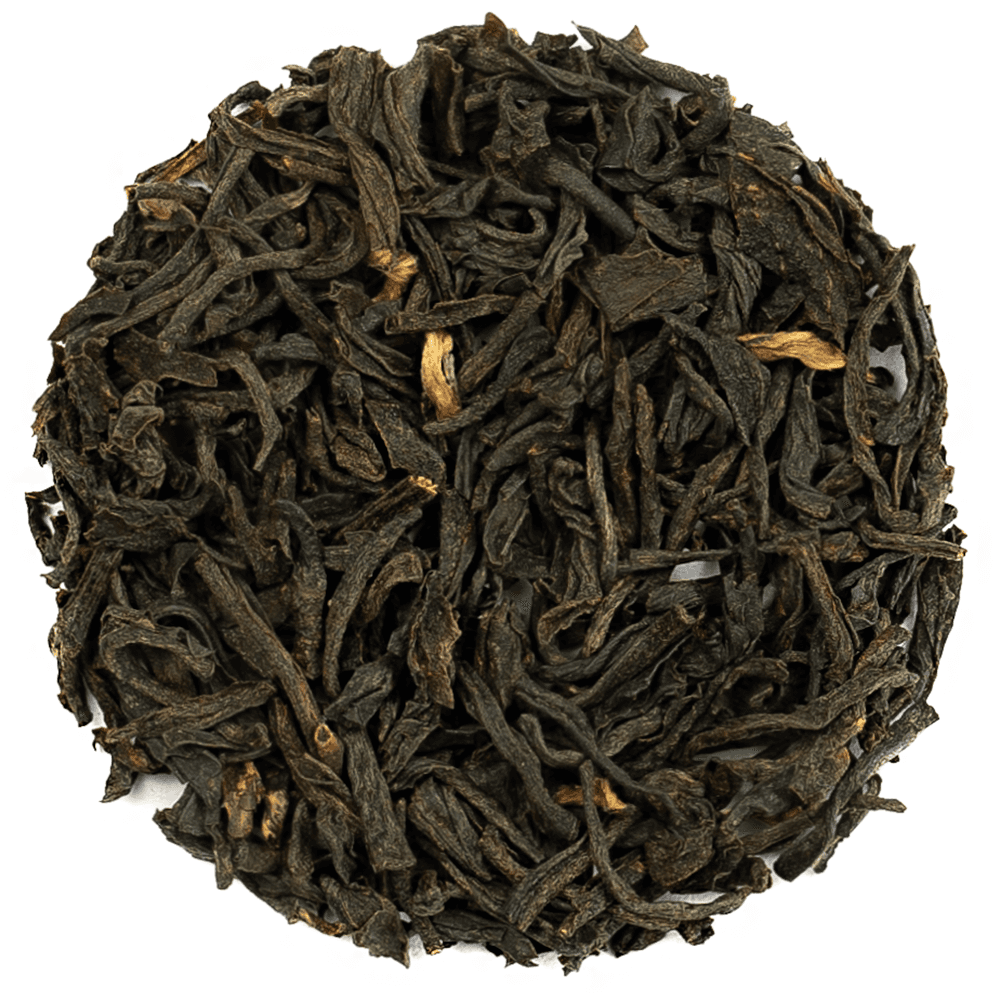
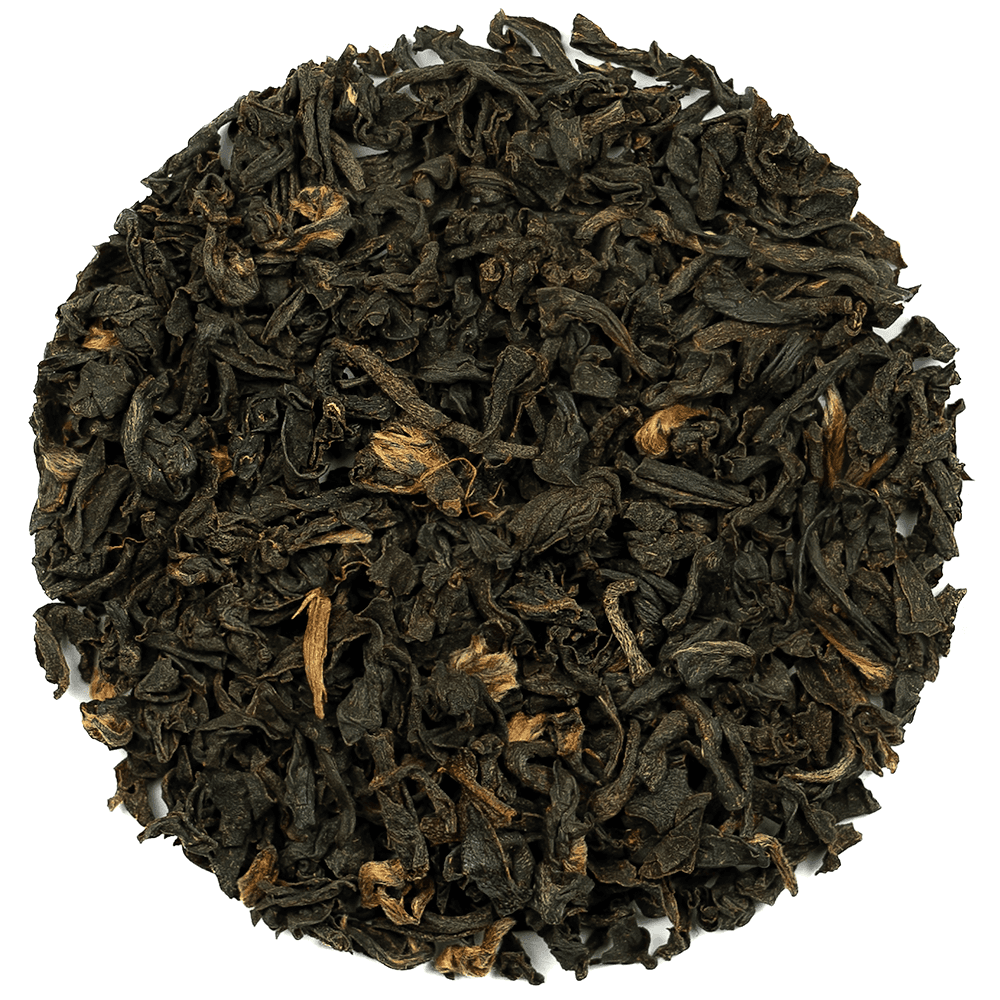
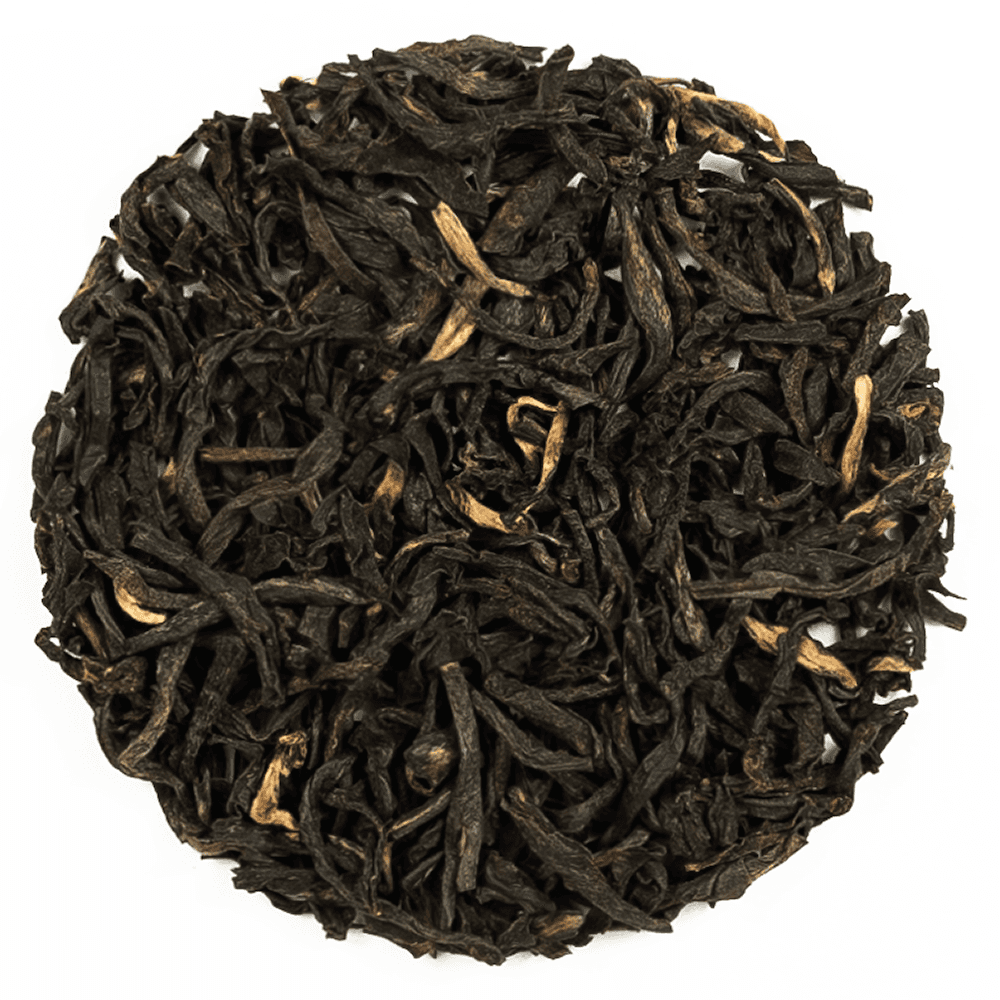
Grown on the steep hillsides of Sri Lanka's Uva province, this loose-leaf black tea carries the OP1 grade, a designation for fully unfurled leaves rather than buds. The cup is mellow and malty, with a coppery, dark liquor and notes running from lemon and orange through honey and milk to coffee, earth and wood. Kent and Sussex Tea and Coffee Company hand-packs it to order.
Uva sits at altitude, with much of its tea grown between 900 and 1,500 metres above sea level. Higher gardens tend to produce more delicate crops, and Uva's are prized by tea drinkers for exactly that reason. The province is remote: its capital, Badulla, is reachable only by steep, winding mountain roads, and Uva is the second-least populated province in Sri Lanka, its economy leaning heavily on tea. Across the country, roughly 5% of the population works in the tea industry and the crop covers about 4% of the island's land, much of it on narrow dirt roads connecting worker housing to hillside gardens planted a metre apart.
Getting from leaf to cup takes several stages. Leaves are withered with dry air to remove moisture, then rolled by machine to twist the leaf, which kickstarts the fermentation that gives Ceylon black tea its character. Workers then sift and grade the dried leaf by size, and it's this stage that earns a batch the OP1 designation.
Black tea of this kind has long been drunk for more than just its taste, traditionally credited with settling digestion and supporting general wellbeing, though that's no substitute for a decent diet. Brew it with freshly boiled water and steep for around five minutes. Take it with milk, sugar, honey or lemon, or drink it black.