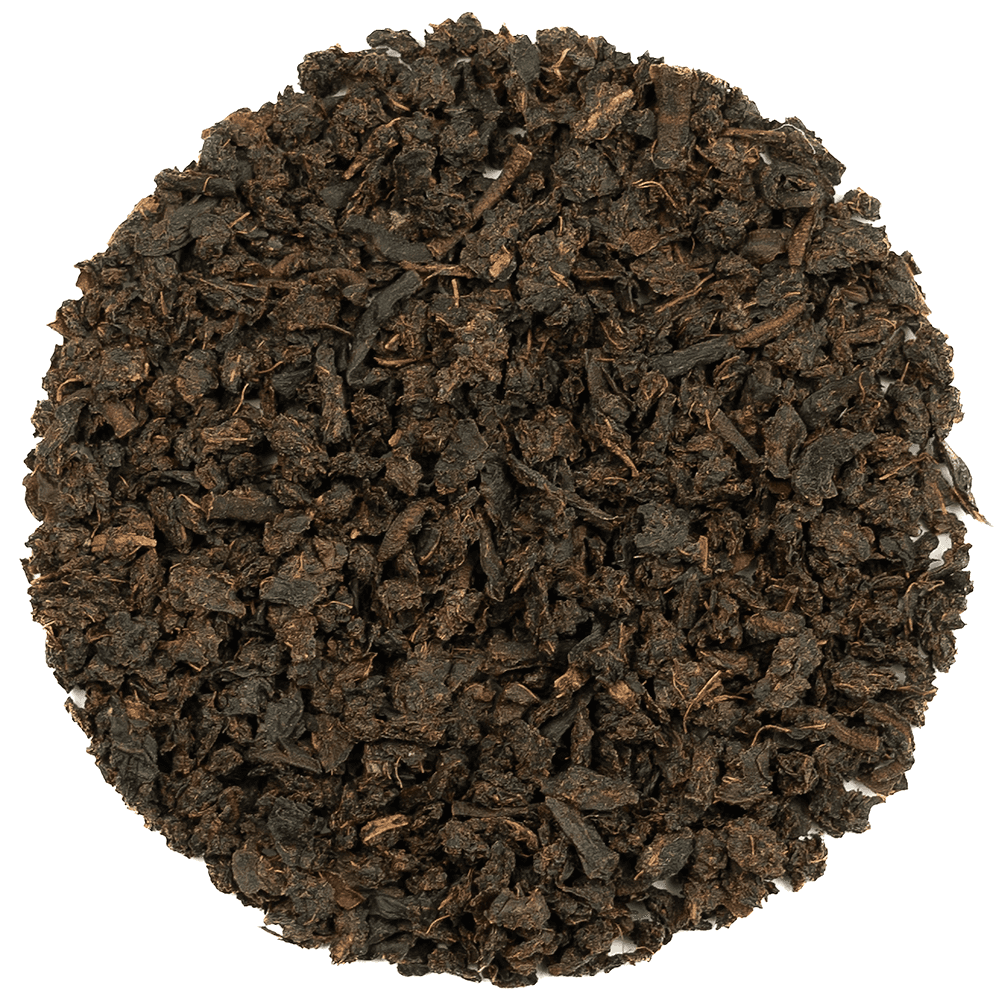
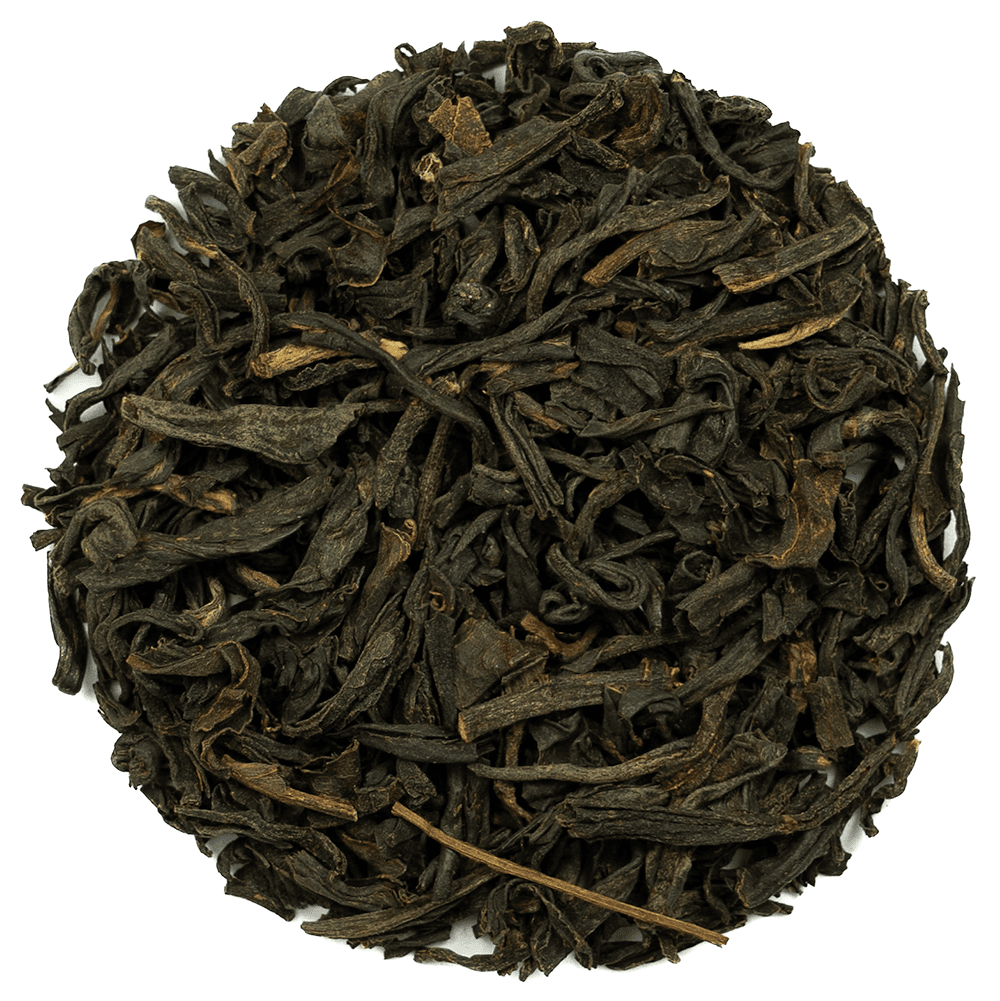
Assam's Orangajuli estate sits in the Mangaldai district, right up against Bhutan's Himalayan border — a boundary tea drinkers rarely think about, but the climate it creates shapes what ends up in the cup. This is a large-leaf TGFOP, tippy and golden-flecked, and it brews into a black tea with a brisk, faintly spicy character underneath. The tasting notes read almost like a fruit bowl crossed with a coffee shop: lemon and orange up front, honey and warm spice settling in, with a milky, coffee-like depth on the finish. That range is unusual for an Assam and worth paying attention to as the leaf opens up.
The name itself carries a small piece of local history. "Orangajuli" comes from "Oranga" and "Juli," words in the local dialect that describe people living by a small stream — a reminder that these estate names are rarely arbitrary. Orangajuli isn't worked in isolation either; the same ownership group also tends the nearby Dejoo and Harmutty estates, so if this tea appeals, its siblings are worth comparing side by side to see how much the specific plot changes the outcome.
Brewing it is straightforward. Give the leaves about four minutes in freshly boiled water to let the tips fully unfurl and the citrus and spice notes come through. From there, serve it however suits your morning: black, to let the lemon and orange notes stand out on their own, or with milk, sugar, honey, or lemon if you prefer something rounder and less brisk. It's a versatile cup in that sense, forgiving of whichever direction you take it.
Assam teas like this one have long carried a reputation as an everyday staple in Black tea-drinking households, and Orangajuli's blend of citrus, honey, and spice notes makes a reasonable case for why. Whether that reputation matters to you or not, the leaf itself gives you plenty to work with.