No notes yet.
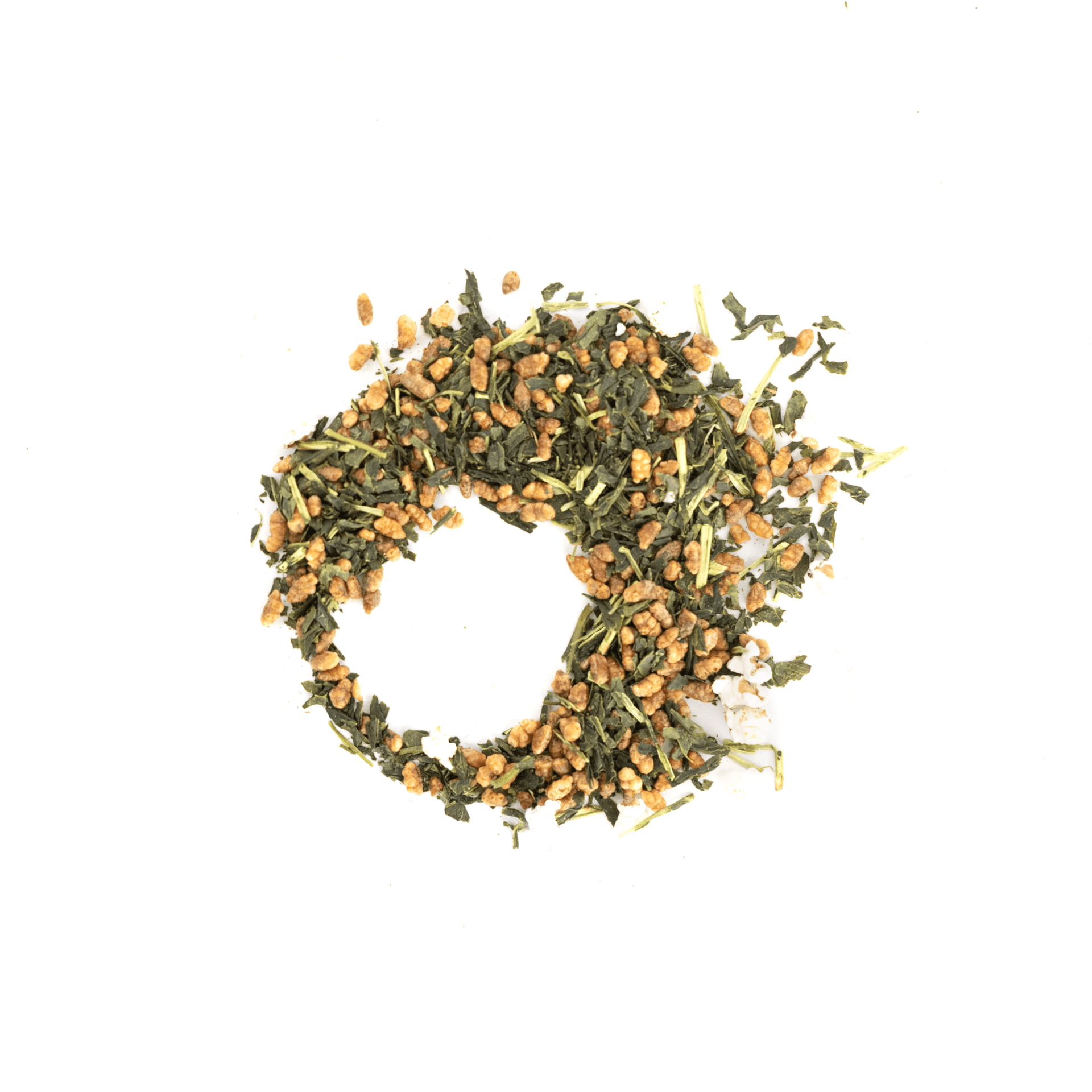
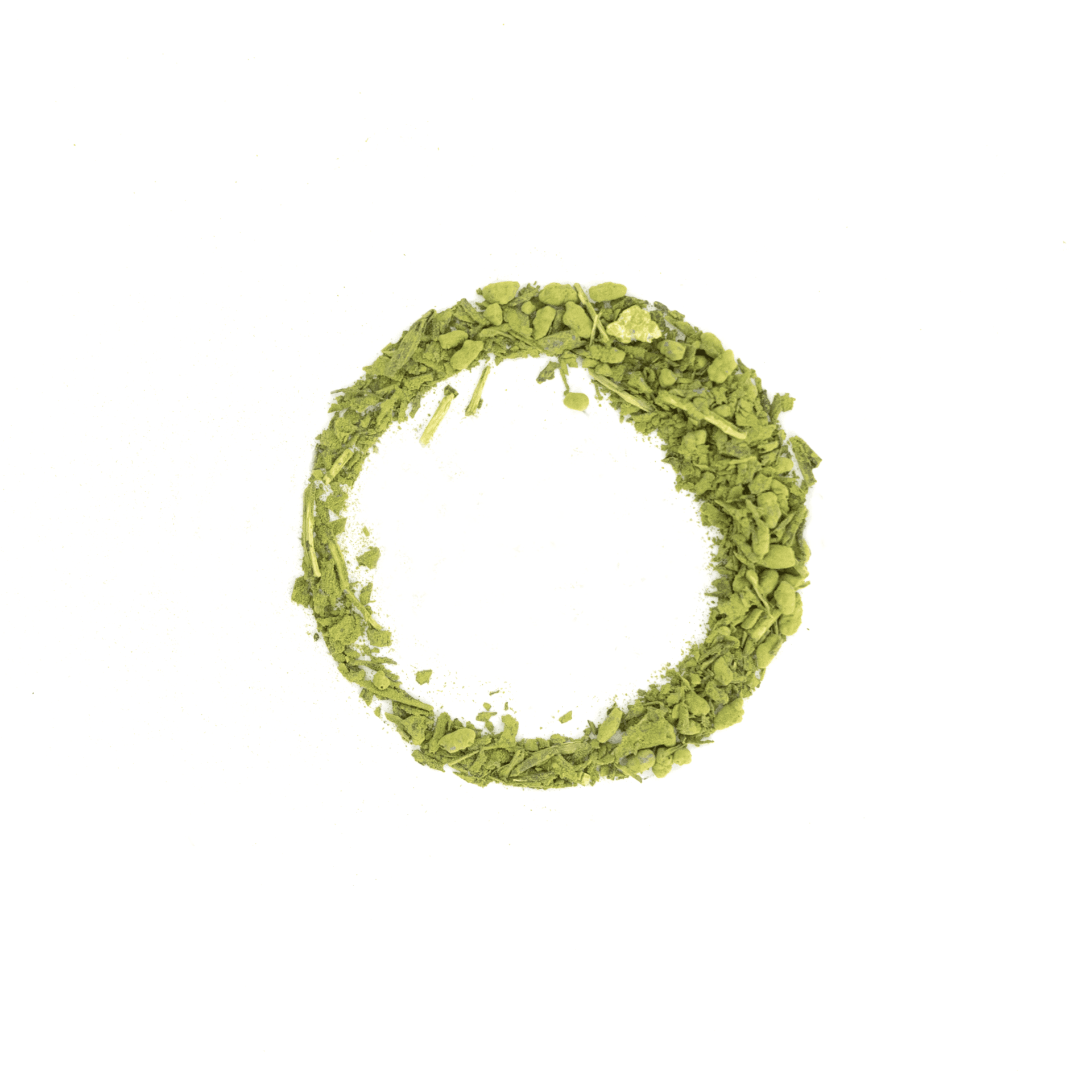
Japanese Bancha Tea is celebrated for its gentle, refreshing flavour and naturally low caffeine content, making it an ideal choice for any time of day. Sourced from renowned tea-growing regions such as Shizuoka, Bancha is harvested later in the season, resulting in larger leaves and a uniquely smooth, mellow taste. Steeped in Japanese tradition, this tea is enjoyed worldwide for its rich heritage and distinctive character. Experience the authentic taste and timeless appeal of Bancha Japanese Green Tea with every soothing cup. What is Japanese Bancha Tea? From the region of Shizuoka and Kyoto, Bancha is harvested late in the growing season. The tea leaves are collected after the initial spring flush, ensuring their larger size and mature flavour. Once picked, the leaves undergo a careful steaming process to prevent oxidation and preserve their vibrant green colour. After steaming, the leaves are rolled to shape and gently dried, which helps lock in their subtle aroma and mellow taste. This traditional method highlights the natural qualities of the tea while maintaining its freshness. Bancha’s origins trace back to the Edo period as an affordable daily beverage. Its roots are in using older leaves, minimising waste while meeting tea demands. During the Meiji period, processing advancements enhanced its quality, maintaining tradition while adapting modern methods. Interesting fact: Despite its humble beginnings, Bancha has become a symbol of simplicity and continuity in Japan. It represents a link between the past and the present while gaining popularity beyond Japan. Its rich history and milder flavour make it a treasured choice for those seeking a gentle yet aromatic tea experience. How to Make Bancha Japanese Green Tea To begin, measure one teaspoon of Bancha leaves per cup. Boil water and let it cool to 175°F (80°C). Place tea leaves in a pot, then pour hot water over them. Steep for two to three minutes, adjust for a stronger taste but don’t exceed four minutes. Strain and pour the tea into cups to enjoy. For an elevated experience, add a slice of lemon or a hint of honey. To store, keep leaves in an airtight container, situated in a cool, dark place for freshness. What Does Japanese Bancha Green Tea Taste Like? It offers a smooth, delicate flavour with subtle grassy notes, carrying both fresh and earthy undertones reminiscent of lush tea fields. Its aroma is gentle, with whispers of vegetation, giving a comforting, familiar essence. The taste is notably milder than that of other green teas , owing to later harvests and its traditional steaming process. An inviting tea, it provides a refreshing and light experience, perfect for those seeking a tranquil moment with every sip. Does Japanese Bancha Green Tea Have Caffeine? Yes, Japanese Bancha Green Tea contains caffeine. On average, it has about 10-20 mg of caffeine per cup. The caffeine content depends on the steeping time and water temperature during preparation. This makes it a gentler option for those reducing their caffeine intake. Enjoy the soothing flavours while appreciating the subtle energising effect it provides. Health Benefits of Japanese Bancha Tea Japanese Bancha Tea is renowned for its health-boosting properties, thanks to its rich antioxidant content and minimal processing. These qualities contribute to several potential health benefits, which have been explored in various studies, showcasing its positive impact on well-being. Antioxidants found in Bancha support the immune system, helping to fend off infections and illnesses effectively. The tea’s tannins and polyphenols help regulate digestion, promoting a healthier gut environment for improved well-being. Regular consumption may aid in reducing cholesterol levels, supporting cardiovascular health and enhancing blood circulation. With its low caffeine content, Bancha supports weight management without overpowering its distinctly smooth and delicate flavour. The presence of theanine induces a calming effect, offering relaxation and stress relief, further promoting mental health. Similar teas you may like to try If you are enchanted by the unique charm of Japanese Bancha Green Tea, you may also enjoy exploring other green teas with comparable profiles that capture the essence of Japan’s esteemed tea culture. Here are a few recommendations: Japanese Sencha Tea – Sencha is the most popular Japanese green tea, known for its fresh, grassy flavour and bright green colour. Harvested early in spring, it has a higher caffeine content and a more robust taste than Bancha, making it perfect for a morning boost. Kukicha Tea – Kukicha, or twig tea, is made from the stems and twigs of the tea plant. It has a mild, slightly sweet, and nutty flavour with low caffeine, making it a gentle and unique choice. Genmaicha Tea – Genmaicha blends green tea with toasted brown rice, creating a mellow, nutty taste and a comforting aroma. Often called “popcorn tea,” it’s smooth, mild, and pairs well with simple meals. Exploring these Japanese green teas reveals the wide variety and depth of Japan’s tea culture, with each offering its own unique character while sharing the gentle appeal that makes Bancha so popular. Whether enjoyed hot or cold, these teas provide moments of calm and refreshment. Add Japanese Bancha Green Tea to your collection for a soothing, traditional, and truly enjoyable tea experience.