Long before it was labelled for a shop shelf, this plant went by other names: Koporye Tea in Russia (Копорский Чай), Fireweed in North America, and Bombweed in wartime London, where it colonised bomb-cratered streets during the Blitz. That same knack for colonising disturbed ground meant it was among the first growth to appear after the 1980 eruption of Mount St. Helens, and it can still be found there today.
Rosebay Willowherb (Chamerion angustifolium) is a perennial in the Evening Primrose family, with a reddish stem reaching up to 2.5 metres and purple flowers around 2-3cm across that bloom from June to September. It favours recently disturbed ground but turns up just as readily in semi-shaded forest, sun-lit meadows, waste ground, gardens, roadsides and railway embankments, and in Britain it is widespread across Scotland, Wales, Ireland and England, including the woodland clearings near Kent and Sussex Tea and Coffee Company's Pluckley factory.
What makes it a tea rather than just a wildflower is that the leaves can be fermented in much the same way as Camellia sinensis: dried and withered for about a day, then rolled to start oxidation before a final drying, traditionally in clay pots cooked over a stove. That process produces a cup that is fresh, floral and herbaceous, with grassy, vegetal and earthy undertones, a touch of lemon, and a sweet aftertaste that turns slightly minty. Some drinkers pick up notes closer to coffee or clay. In the cup it pours a light, greenish-yellow liquor.
The drink has a long history in Russia, used in herbal infusions since at least the 12th century, though its popularity dipped once the East India Company began bringing in Chinese and Indian tea in the late 19th century, and production stopped almost entirely during the 1917 October Revolution. It has since found its way back into favour. Rosebay Willowherb has traditionally been drunk for mouth infections, ulcers, respiratory complaints, and urinary or kidney troubles, and it is a source of vitamins and minerals including vitamin C, calcium, copper, iron, magnesium, manganese, nickel, potassium and sodium.
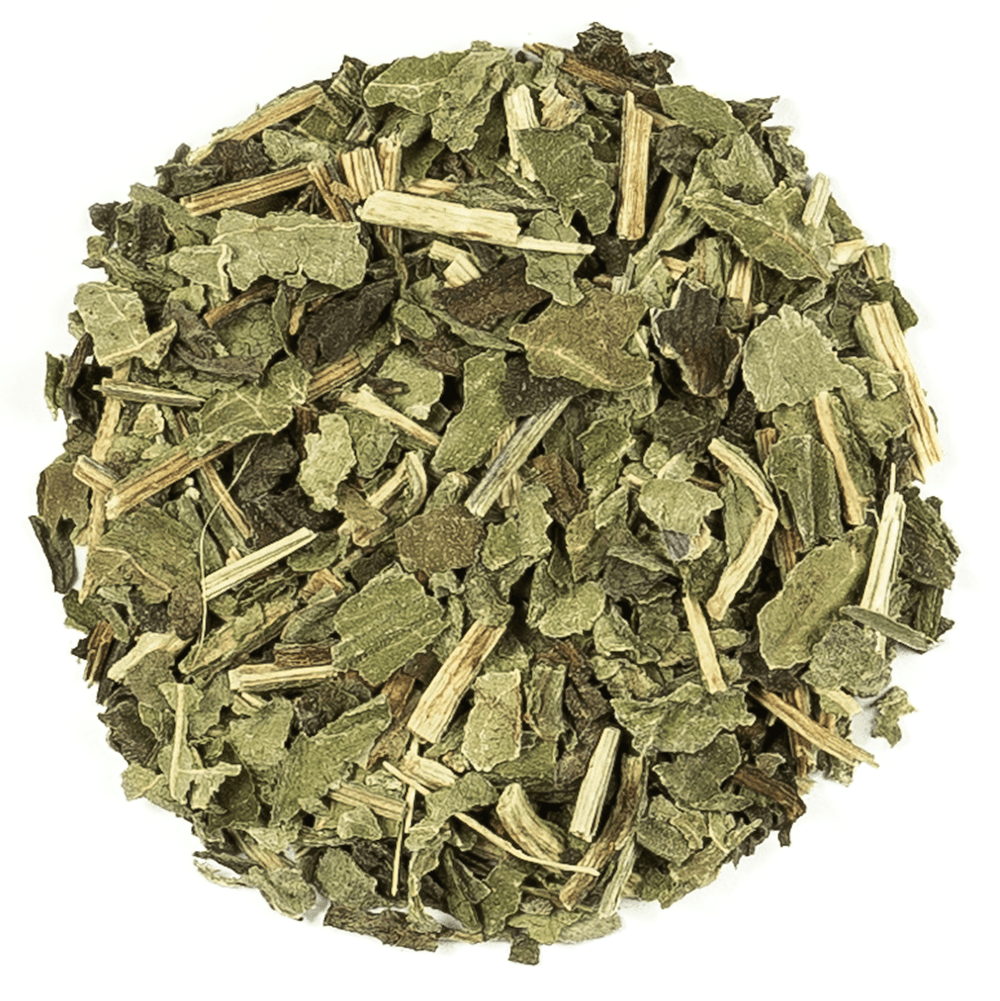
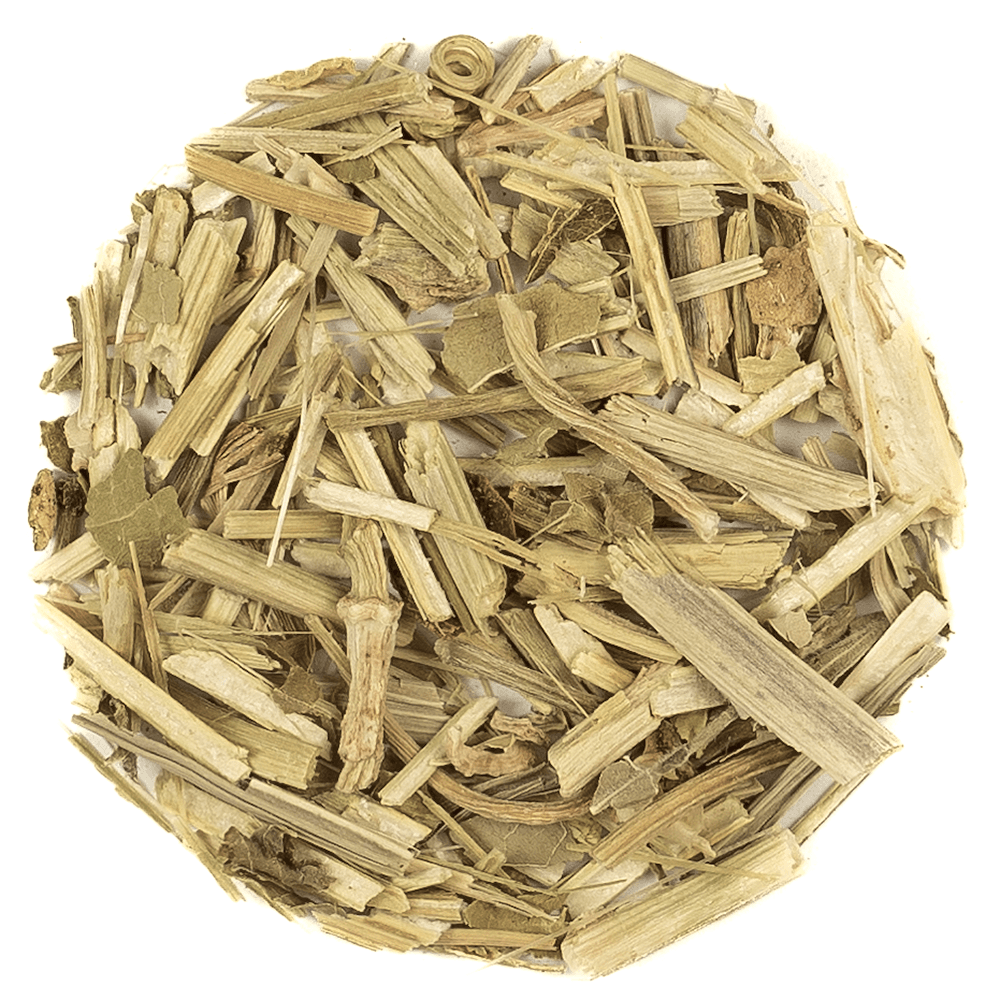
This dried Rosebay Willowherb is sourced from the Czech Republic. Brew it with freshly boiled water for five to ten minutes. Kent and Sussex Tea and Coffee Company suggests drinking it plain rather than with lemon, though a slice is optional.