The first sip reads like fruit before it reads like tea: ripe watermelon sweetness up front, the kind that recalls biting into a chilled slice, before the matcha underneath asserts itself with grassy, earthy depth and a lingering umami finish. Stone fruit and honey notes sit alongside the watermelon, and when milk enters the picture — dairy, almond, or oat — the drink turns creamy, with a maple-ish sweetness and a nutty complexity that plant-based milks bring out particularly well. Over ice, the fruit sharpens and the whole thing turns crisper and more refreshing.
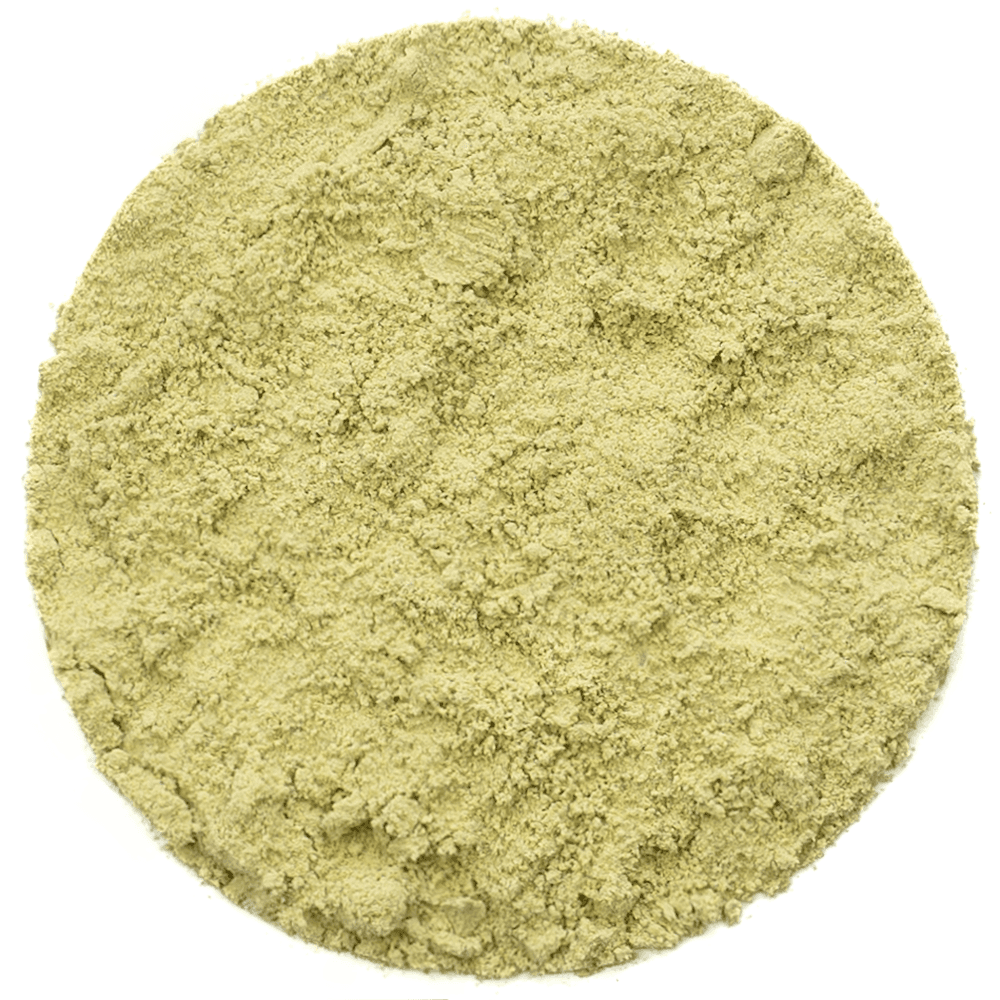
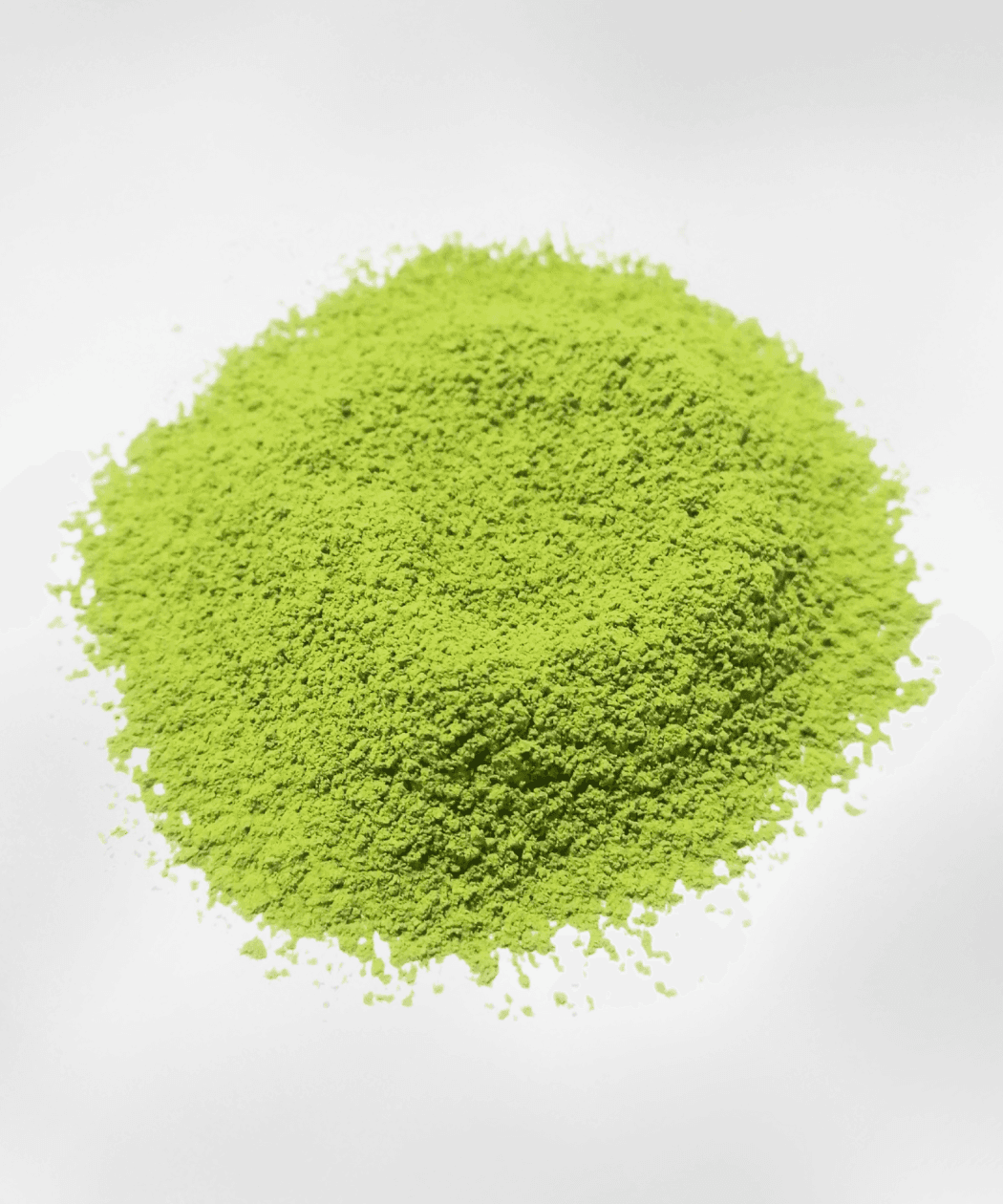
The blend is built from watermelon that has been dried and ground, then combined with matcha powder and natural watermelon flavouring. The matcha itself follows the traditional process: young green tea leaves grown in shade, hand-picked, steamed to lock in their colour, dried, and stone-ground into a fine, bright green powder. That process is what gives the base its rich, earthy character before the fruit is layered in.
Caffeine sits in the moderate range, largely thanks to the matcha — a serving of about a teaspoon provides roughly 30 to 70 mg, depending on how much matcha ends up in the mix. That puts it below a cup of coffee but above a standard green tea. Matcha has long been associated with a steadier kind of energy than coffee, without the sharp spike or crash.
Preparation is straightforward across all three common styles. Sift the powder first to break up any clumps, then add a small amount of hot — not boiling — water and whisk briskly in a zigzag motion until it turns smooth and frothy. From there, top up with the remaining water for the traditional version, fold in warmed and frothed milk for a latte, or build it over ice with chilled water and cold milk for an iced version. Sweetener is optional in any case, added to taste rather than as part of the base recipe.