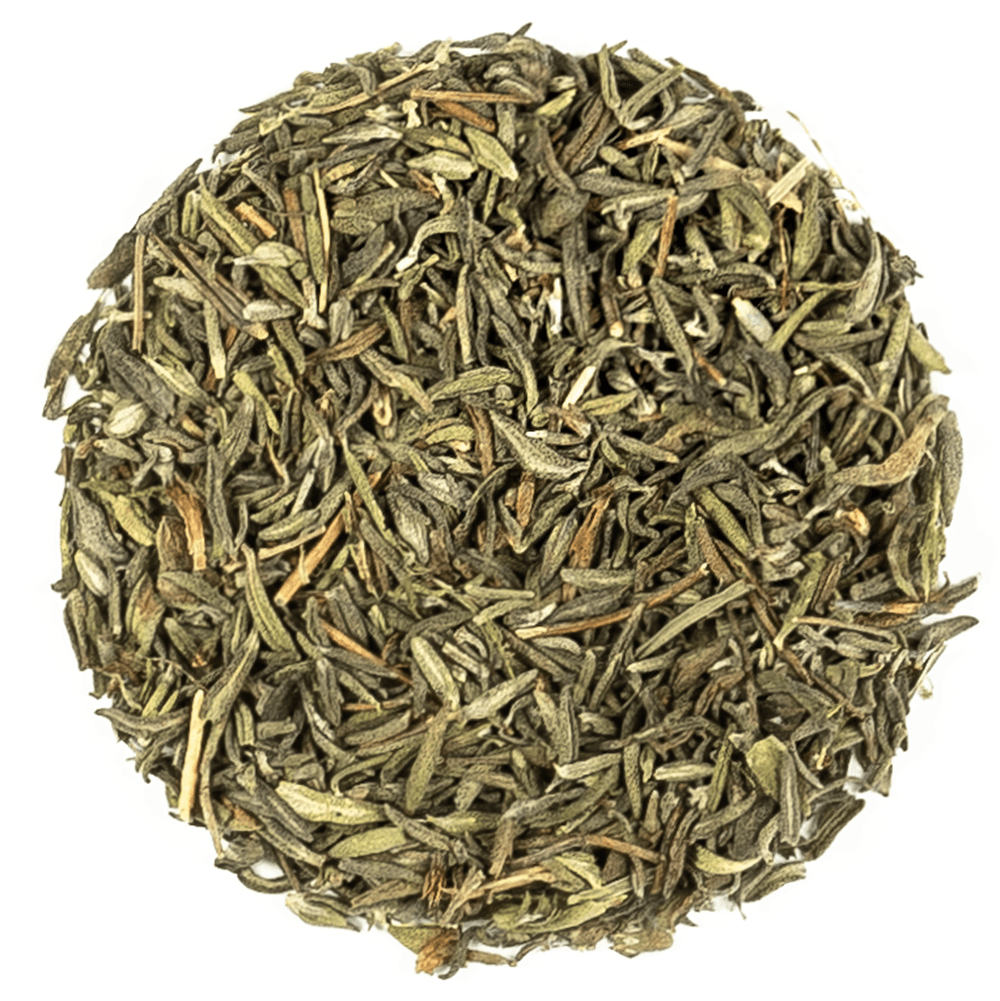
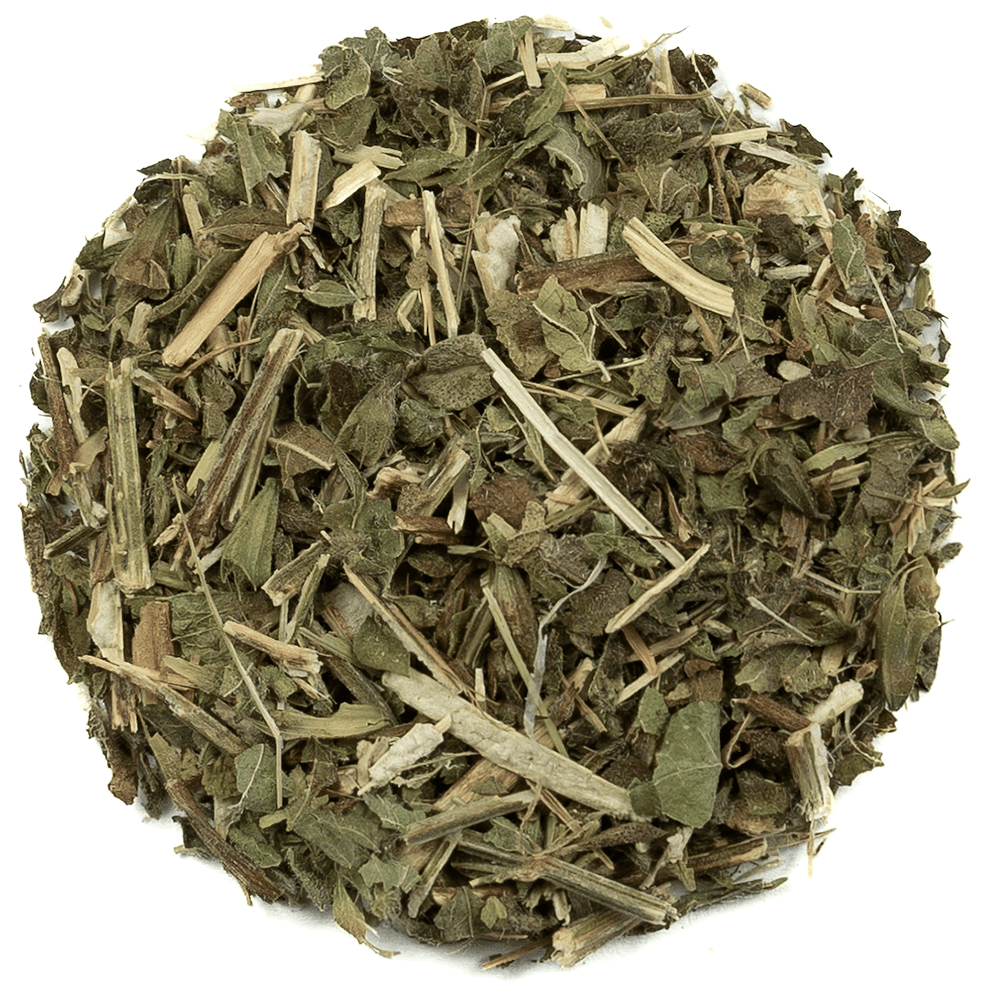
Steep the leaves of the oregano plant, a member of the mint family, and what comes through is more herb garden than teapot: earthy, a little bitter, with an aroma close to thyme or marjoram. Tasting notes lean toward lemon and honey alongside herbs, mint, thyme, and something faintly medicinal underneath.
The name traces back to Greek: oros for mountain, ganos for joy, a "joy of the mountains" that flourished in ancient Greece and was linked to the goddess Aphrodite. Romans took to its flavour readily, and the plant spread through Europe and North Africa during medieval times. People steeped it for rheumatism, toothache, indigestion, and coughing fits, while in Chinese medicine it was used for fevers, vomiting, and stomach upset. By the Elizabethan era it had picked up a different reputation: worn while sleeping, it was said to bring luck and health, and even to induce psychic dreams.
Oregano carries antioxidants and vitamins A, C, E, and K, along with folate and thiamin, plus compounds such as rosmarinic acid, luteolin, quercitrin, and apigenin. These have traditionally been credited with anti-inflammatory and antifungal properties, and the tea has long been used to support digestion, since it is thought to stimulate the gastric juices that help break down food. Carvacrol and thymol, two of its natural compounds, are sometimes said to support the immune system.
To brew it, steep dried oregano for about ten minutes, closer to five if you prefer it milder. Honey or agave nectar will round out the bitterness, and a splash of lemon juice adds brightness. It holds up just as well hot or over ice, and a few fresh herbs as garnish bring out more of its character.