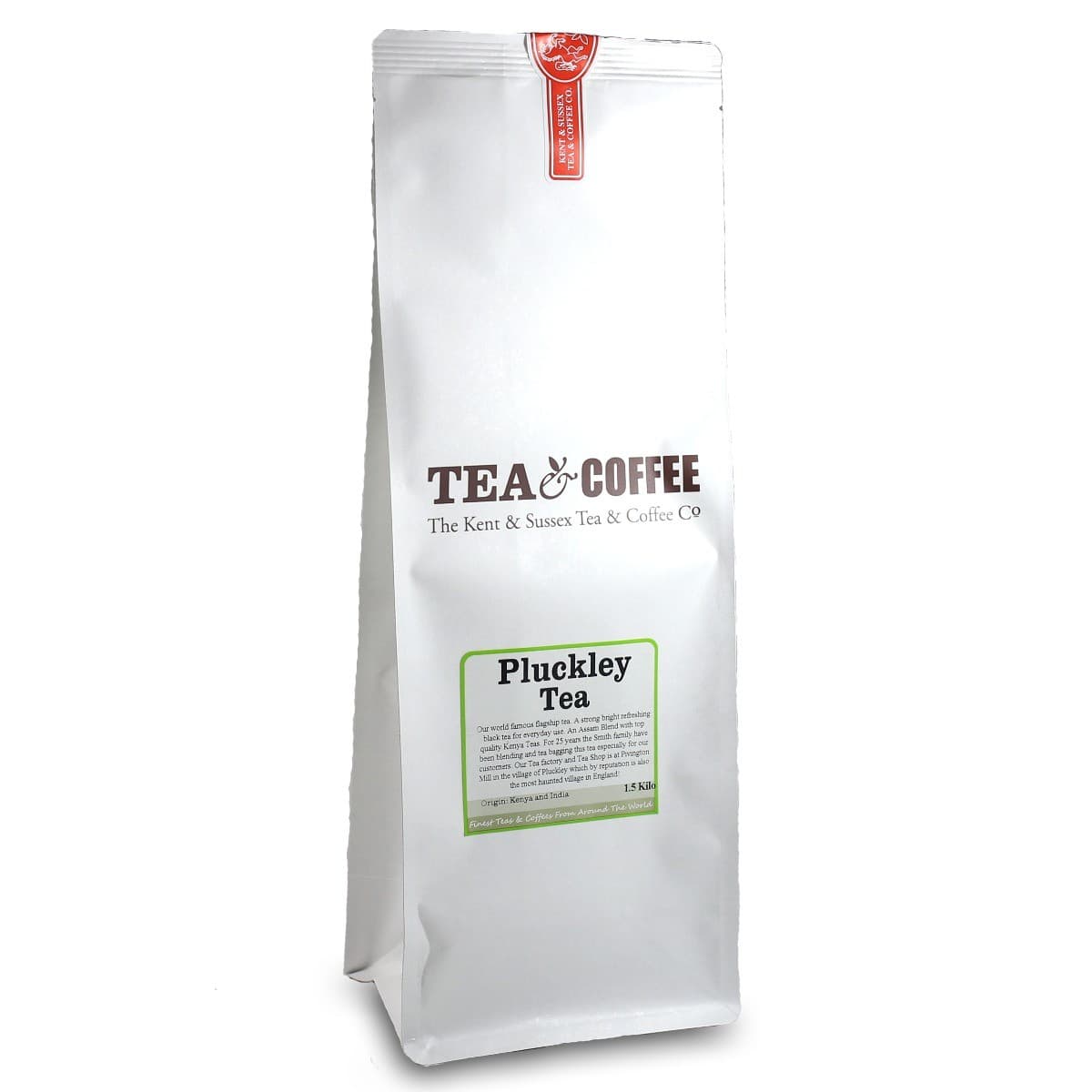
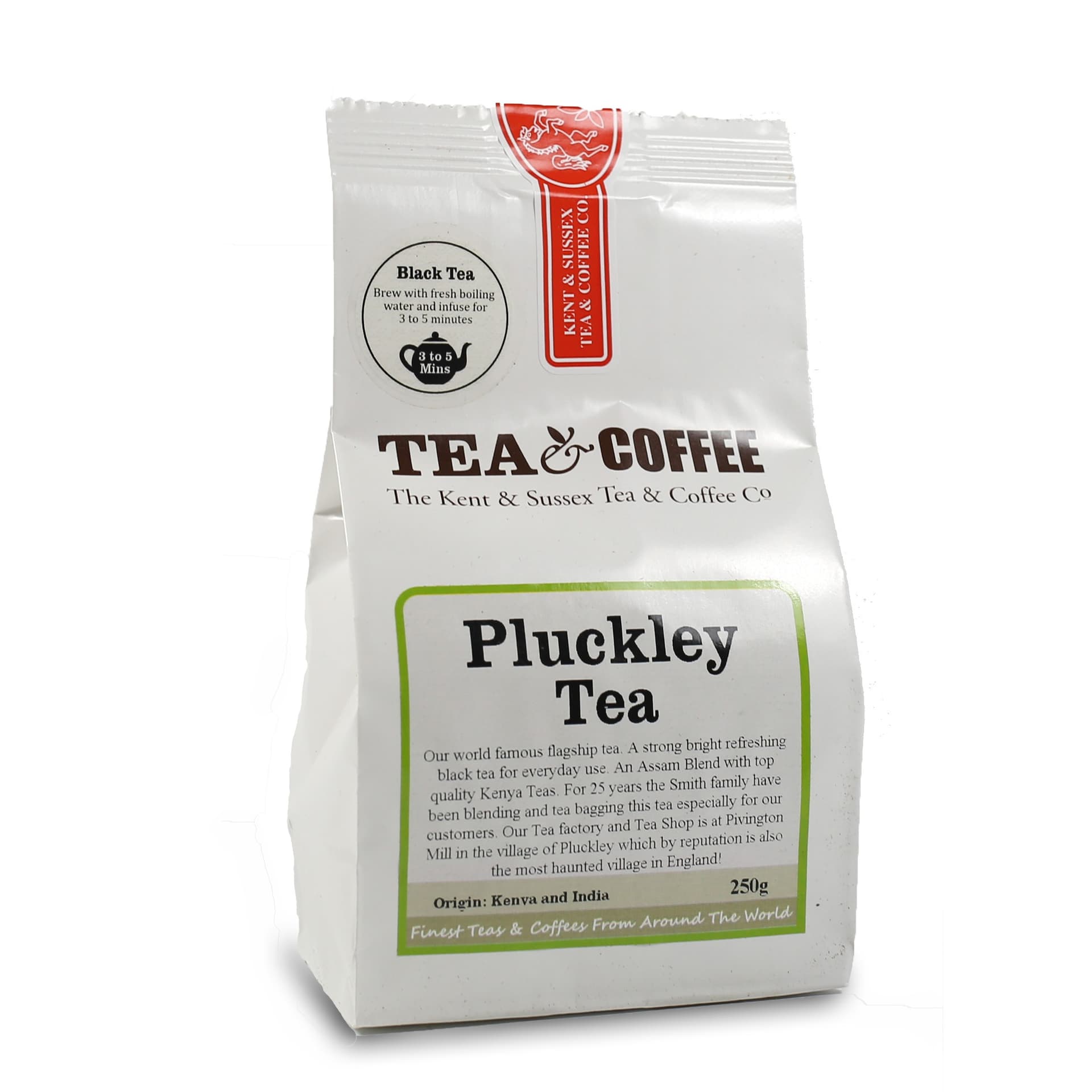
Assam and Kenyan leaf make up this blend, sold by The Kent and Sussex Tea and Coffee Company as Welsh Breakfast Tea despite neither garden growing anywhere near Wales. The name points to Wales' own strong tea-drinking tradition rather than the origin of the leaf: breakfast blends trace back to the 19th century, shaped by English, Irish and Scottish habits, and in Wales tea has long accompanied cawl gatherings, the community meals built around the country's traditional lamb stew.
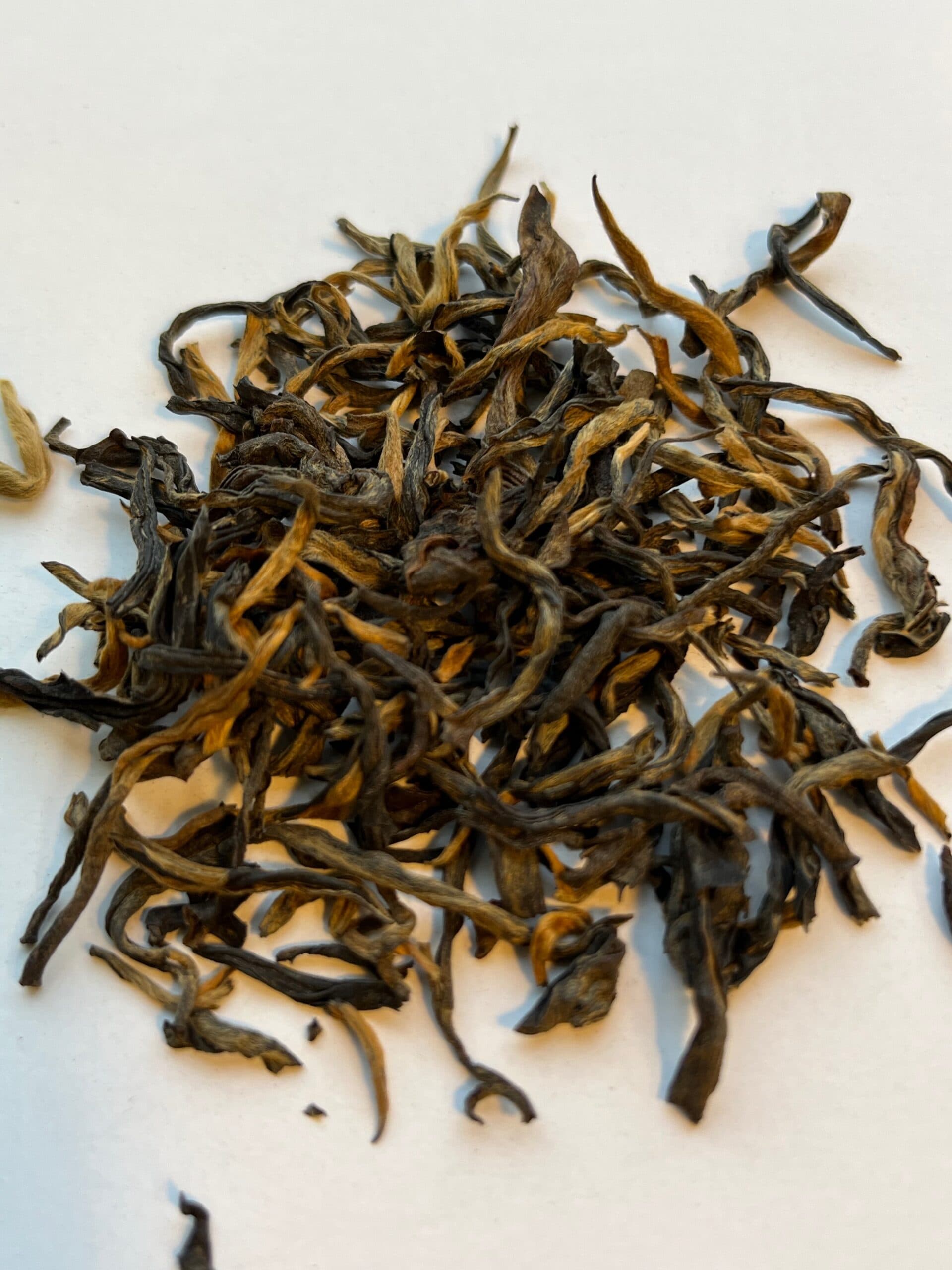
The Assam component is harvested in spring and summer and processed the traditional way: withered, rolled, fermented, then dried, giving the blend its malty backbone, something like toasted grain. Kenyan tea sits on top of that with a brighter, fruitier lift, and the cup settles into an earthy, full-bodied middle with a warm start and a light astringency on the finish. Tasting notes run from fruit and lemon to date, malt, roasted grain, coffee and earth, with milk a natural addition rather than an afterthought.
A cup made from one teaspoon of leaf steeped five minutes in freshly boiled water carries roughly 40 to 70 mg of caffeine, less at the low end since a shorter steep pulls out less of it; either way it is a gentler lift than coffee. Drink it plain or with milk and sugar, and it stands up well alongside a cooked breakfast or Welsh cakes, with a slice of lemon as an alternative. Keep the leaf in an airtight container, away from light and heat.
Tea of this kind has traditionally been valued beyond the cup: its antioxidants are often credited with supporting general wellness, and the combination of caffeine and L-theanine is traditionally said to sharpen focus while keeping the drinker calm rather than jittery. None of that makes it medicine, but it is part of why breakfast blends like this one have stayed a morning fixture for generations.