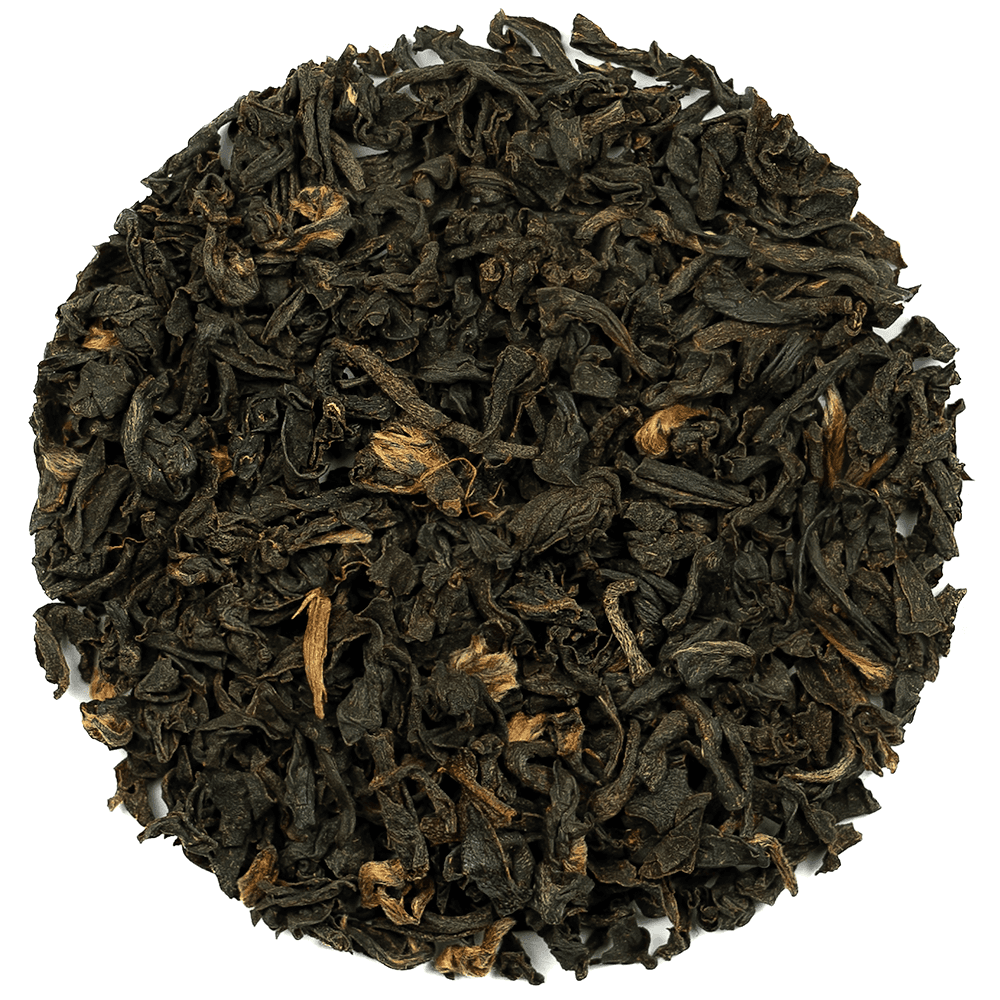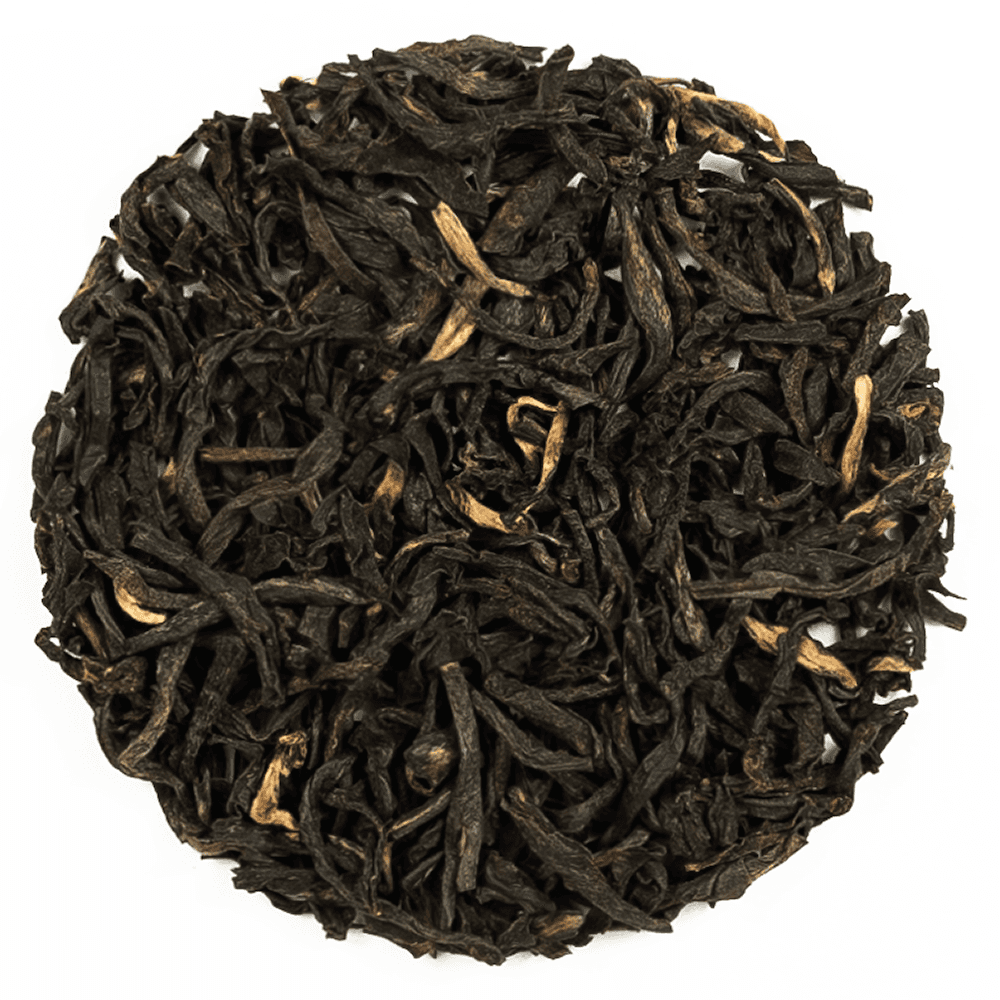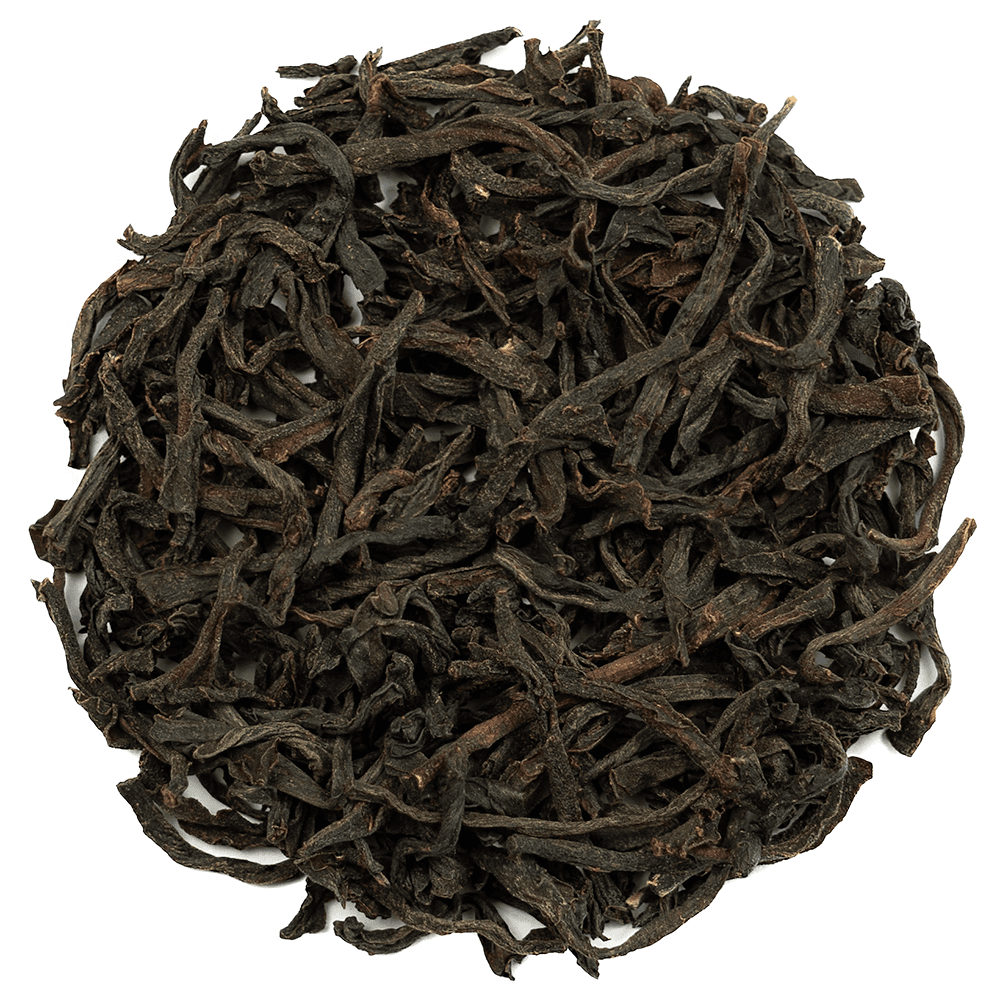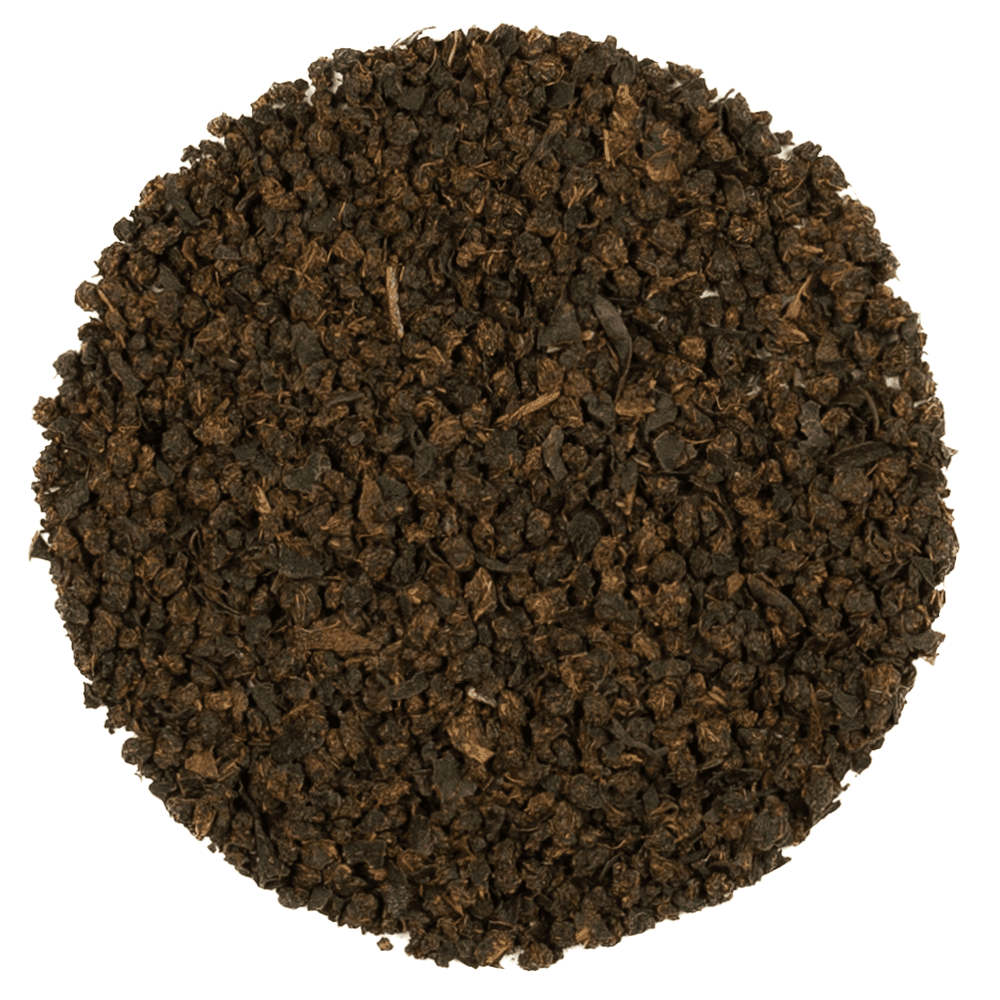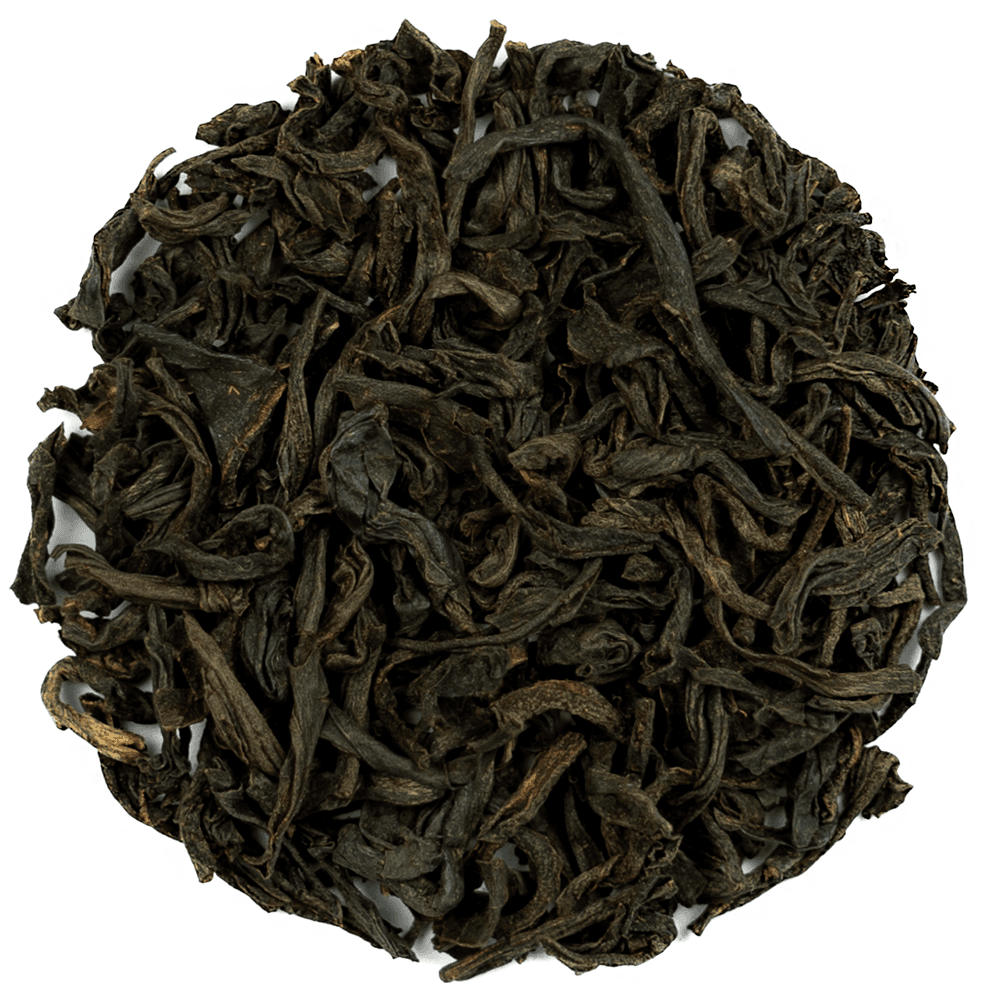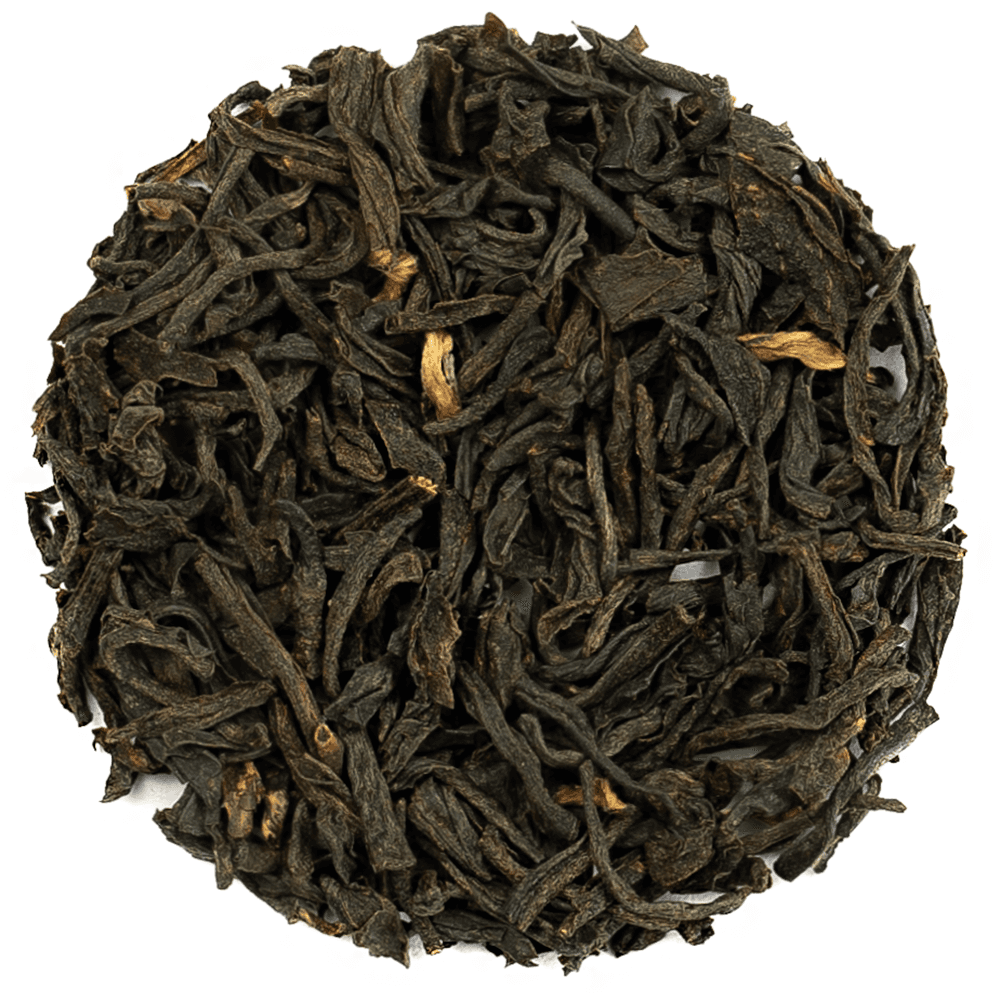
Assam's second flush runs from May into June, and Harmutty's version of it shows why growers in the region rate this crop above the first-picking teas — plenty of golden tip, a full body, and a sweetness that first flush rarely reaches. The estate sits in the North Lakhimpur district by the Dikrong river, on the edge of the Arunachal Pradesh forest, and dates back to 1870, making it one of the older gardens in its area. This particular lot is graded STGFOP1 (Super Tippy Golden Flowery Orange Pekoe), meaning a high proportion of golden tips and young, tender leaf.
In the cup it pours a coppery orange, dark rather than bright, and the liquor carries the malty backbone that defines Assam alongside notes of lemon, orange, honey and coffee, with a thick texture that holds up well against milk. The finish is brisk and refreshing rather than heavy, which is part of what makes second flush Assam so drinkable on its own.
Black tea of this kind, Assam included, has long been drunk as part of a general wellness routine, credited in tradition with supporting digestion and the immune system, though that's a matter of custom rather than proven medicine. Brew it with freshly boiled water for three to five minutes. It takes milk, sugar, honey or lemon comfortably, or drink it black if you want the malt and coffee notes unfiltered.