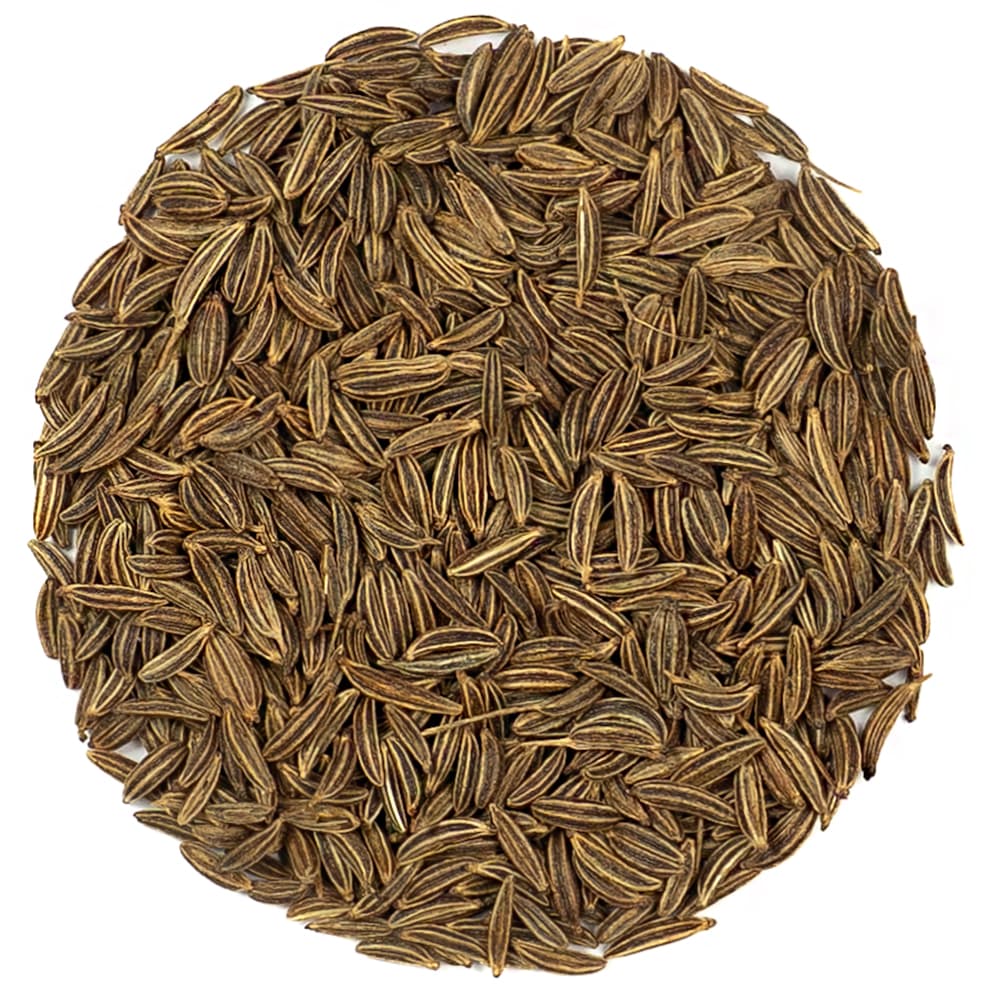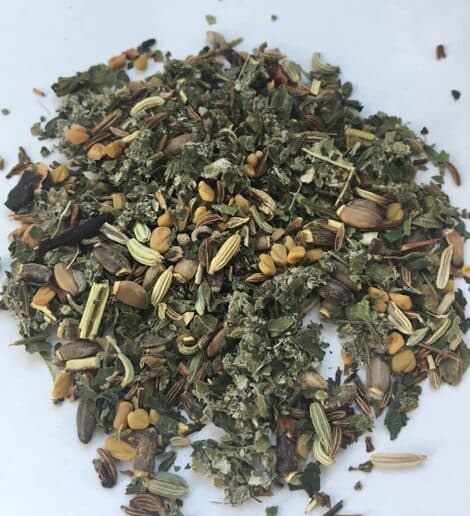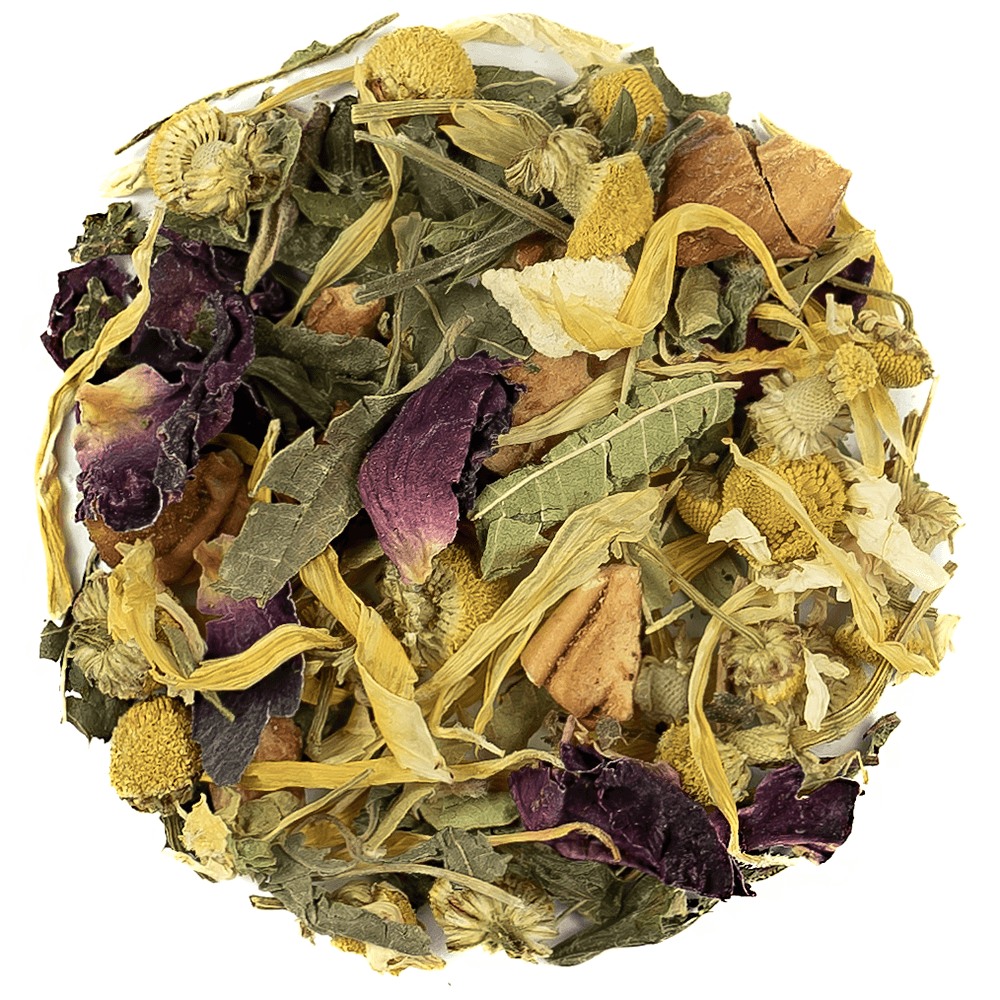
Fennel's most interesting story has nothing to do with tea. The plant grows wild across Greece, and the site where the Greeks defeated the Persian army at the Battle of Marathon in 490 BCE took its name from the fennel covering the ground: "Marathon" translates roughly as "a place of fennel." Pheidippides, the soldier said to have run from that battlefield to Athens with news of the victory, later inspired the Olympic marathon. Centuries afterward, the Roman physician Pliny the Elder noted that serpents were believed to rub against the plant to sharpen their eyesight, and Anglo-Saxon herbalists counted fennel among their "Nine Holy Herbs," alongside chamomile and nettle.
The plant itself, Foeniculum vulgare, is a hardy, aromatic perennial in the carrot family, with yellow flowers and feathery leaves; the leaves are what end up in the cup. Though native to the Mediterranean, it has spread worldwide and remains most closely tied to Greek soil and history. Ancient Greek physicians prescribed fennel tea to nursing mothers to encourage milk production, a use that has carried into modern herbal practice.
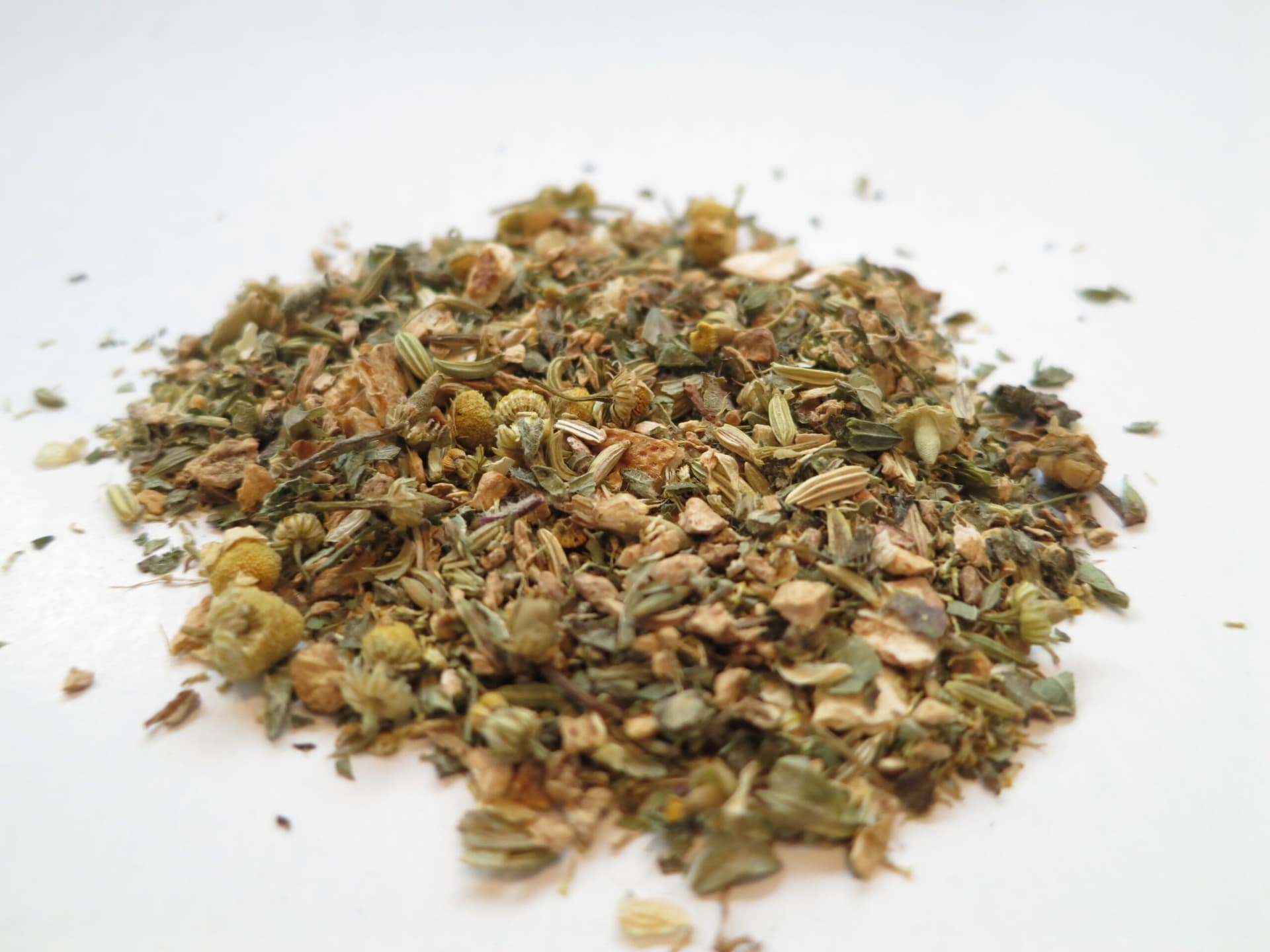
In the cup, expect a distinctly aromatic infusion with bold anise notes running through herbaceous, faintly floral undertones, finishing with a liquorice-like sweetness. None of it comes from the Camellia sinensis plant, so it carries no caffeine, making it a straightforward choice for an evening cup or for anyone cutting back. Fennel tea is traditionally reached for to ease bloating and indigestion or to settle a cold, and has long been used to support digestion generally — these remain traditional uses rather than proven remedies.
To brew, pour freshly boiled water, 100°C, over the loose leaf in a filter or infuser and let it steep for five to ten minutes. Honey or lemon both suit it, though it stands fine on its own. Tea & Coffee packs it fresh to order at its Kent facility.