Ceylon Ratnapura Tea FOP da Tea & Coffee | Teatico
Visão geral
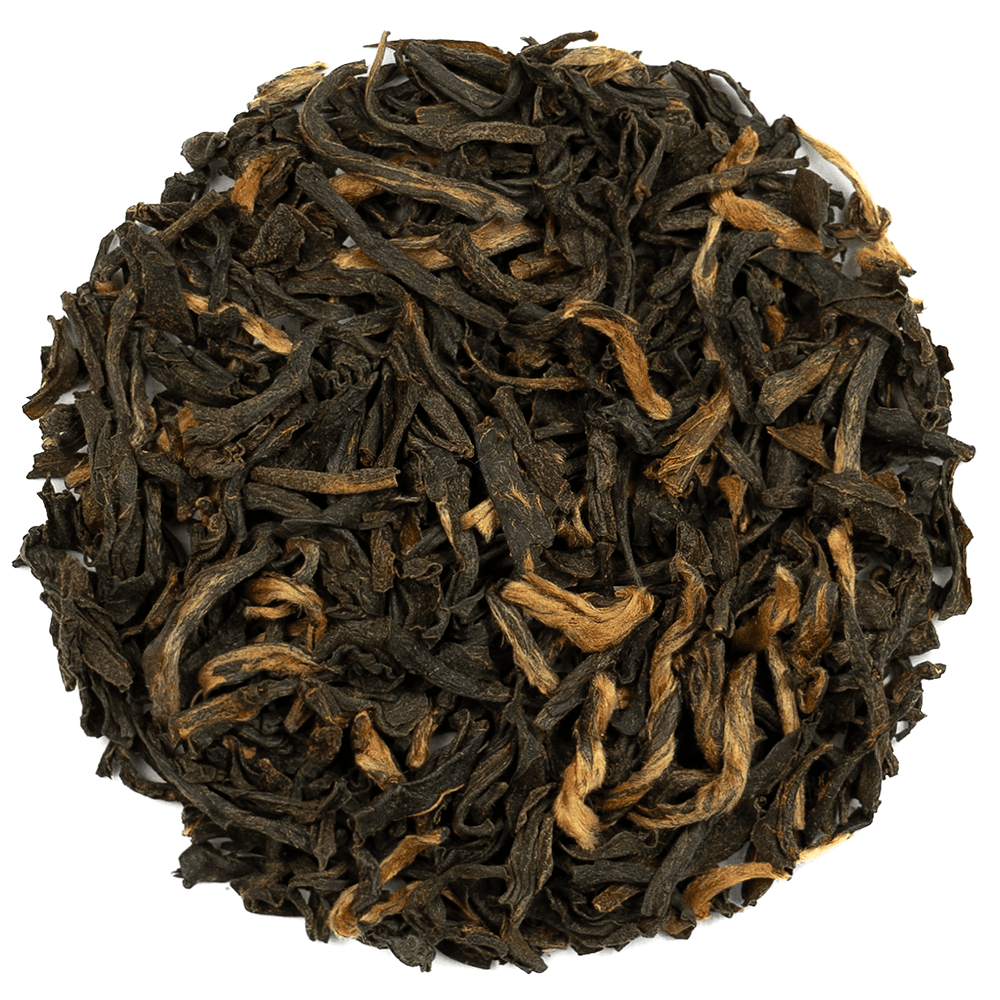
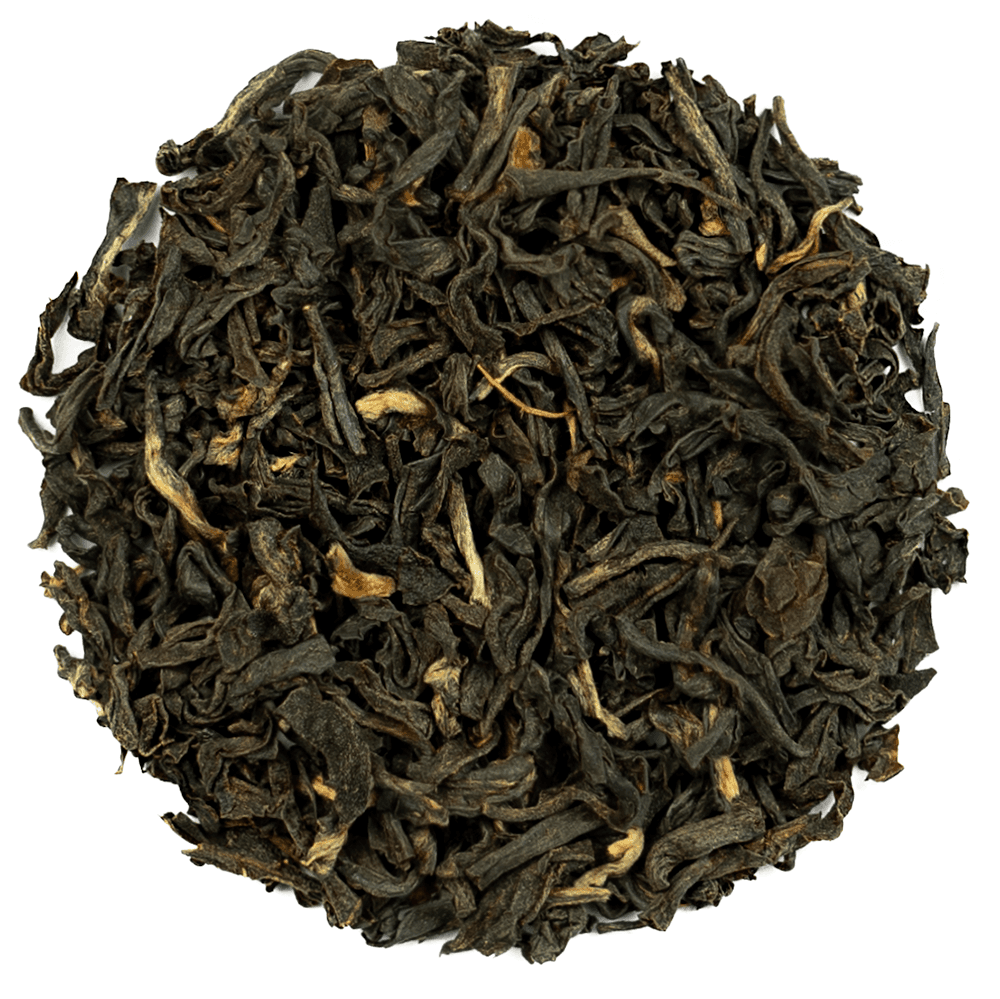
Ratnapura sits inland in the southwest of Sri Lanka, in Sabaragamuwa Province, better known locally as the City of Gems for its gem-mining industry than for tea, even though it's one of the country's low-country growing districts. The bigger names — Dimbula, Kandy, Nuwara Eliya, Uva — get more attention, but this district's mix of hills and plains produces its own steady quality. This FOP grade is made up of fine, pine-needle-shaped leaves with silvery tips, and the cup carries the traditional Ceylon character alongside gentle spice. Teatico's tasting notes pick out lemon, orange and honey against a smooth, thick body, with milk and spice rounding things out — it reads as an approachable everyday black tea as much as a distinctive single-origin one.
In the cup it pours a coppery, dark liquor. Steep it in freshly boiled water for three to five minutes; it holds up well with milk, sugar, honey or lemon, or works served plain if you want the leaf's own character to lead. Ceylon tea itself is a relatively young industry by tea-growing standards, dating only to the 19th century, but it now covers a meaningful share of Sri Lanka's land and employs a large part of the population — enough that Ceylon black tea has become one of the most recognised styles in the world. Tea from Ratnapura carries that same lineage even if it rarely gets the spotlight given to the four classic districts.