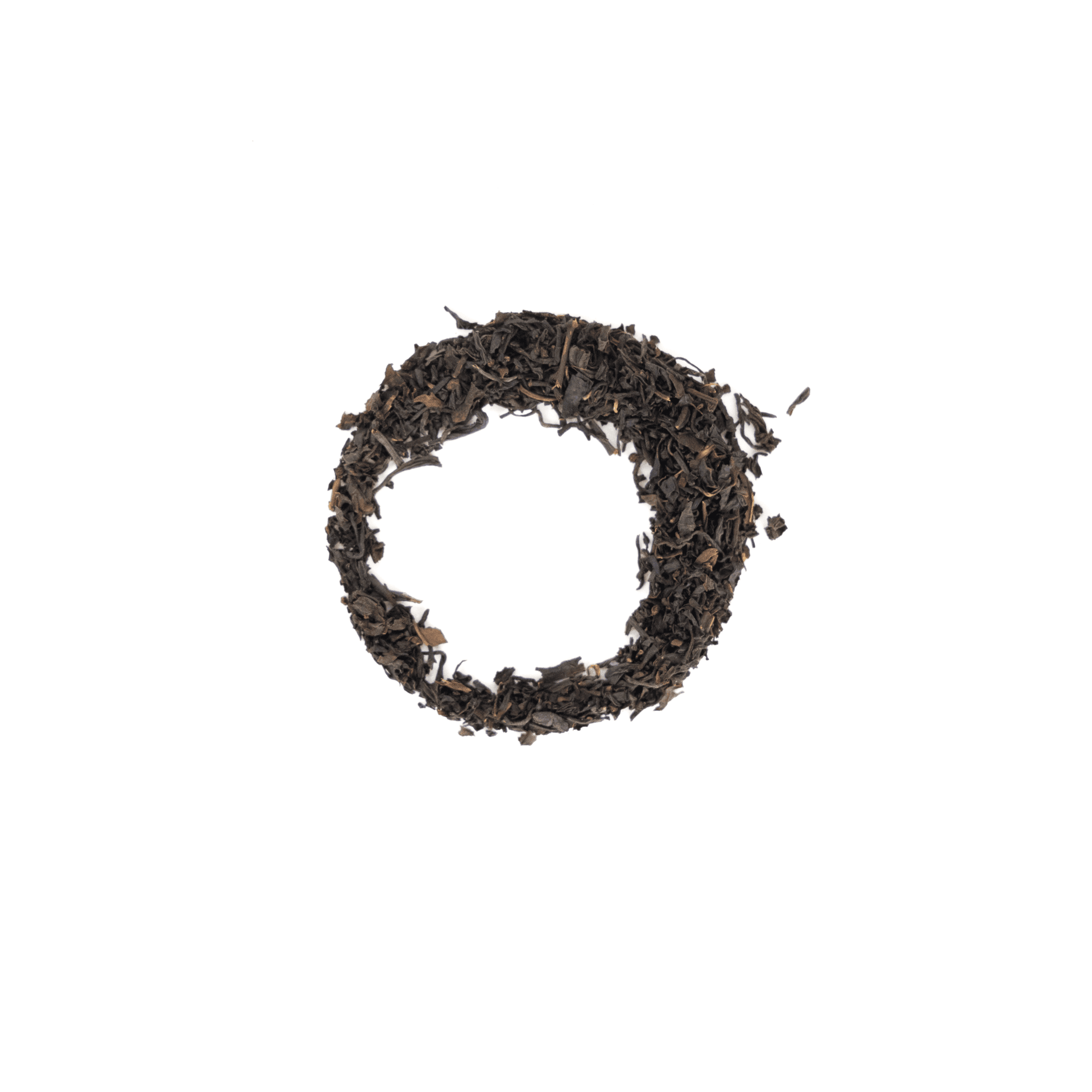
Second flush Darjeeling carries a different character than the delicate first pluck, and this TGFOP1 grade from the Selimbong Tea Estate shows why growers wait for it. The leaves are plucked between May and June, once the bushes have settled into the warmer months, and the resulting cup is rounder and more assertive than an early-season Darjeeling. Expect floral and fruity notes up front, with lemon and orange running through the middle, honey and cream underneath, and an earthy thread that keeps the whole thing grounded. The texture is smooth rather than sharp, and the leaf grading here is tippy, favouring young shoots over coarser material, which shows up in the cup as clarity rather than bulk.
Selimbong sits in the hills of Darjeeling at an elevation of 4,000 to 6,000 feet, cool enough to slow the growth of the leaf, which is part of what concentrates the flavour in Darjeeling tea generally. Locally the estate is known as the Golden Sparrow of Darjeeling. It dates back to 1860, founded by British planters during the colonial era, and has since built a reputation among tea drinkers as one of the more dependable Darjeeling gardens. Tea & Coffee notes that Selimbong farms organically, on a landscape managed with sustainable, eco-friendly practices rather than intensive methods.
To brew it, heat water to around 88°C, use roughly 240ml per cup, and steep for about four minutes. A shorter steep pulls out more of the floral, lighter side; pushing past four minutes brings the earthier, more tannic notes forward. It holds up well on its own, so it is worth tasting a first cup plain before deciding whether honey or a twist of lemon suits it better.