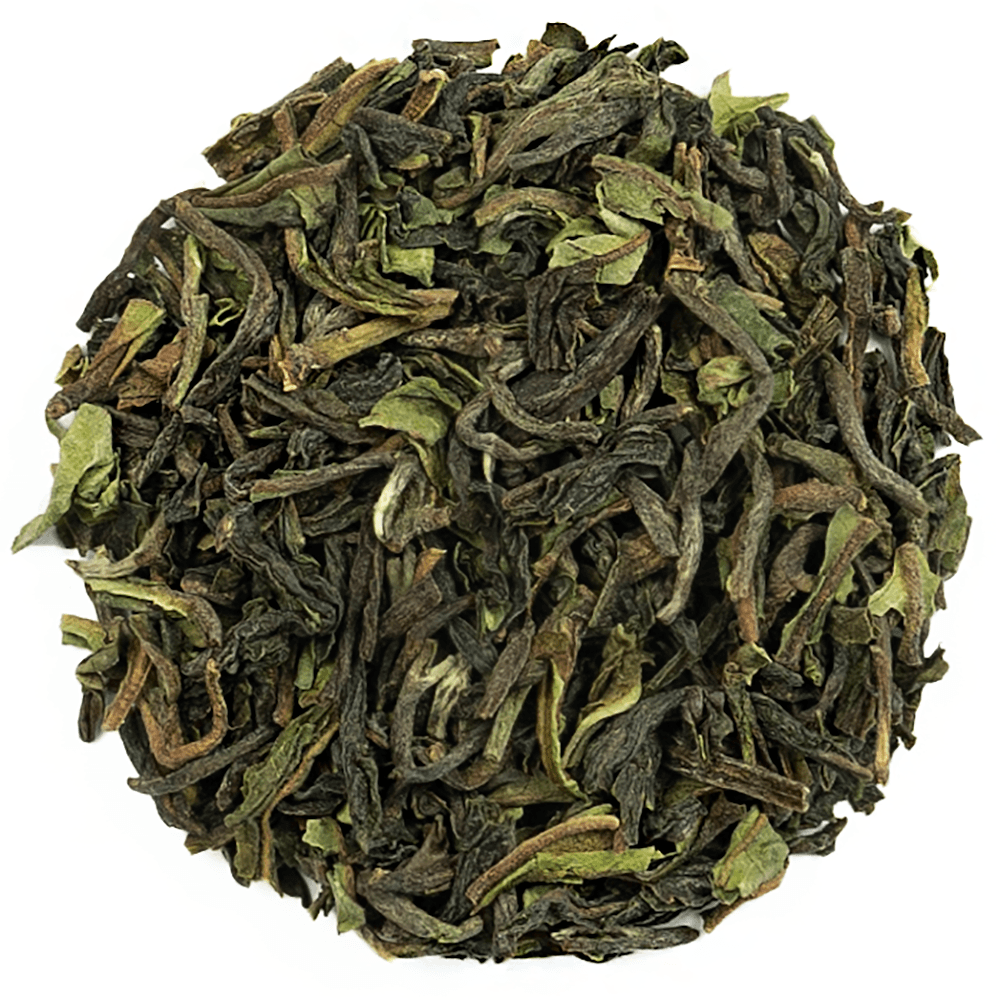
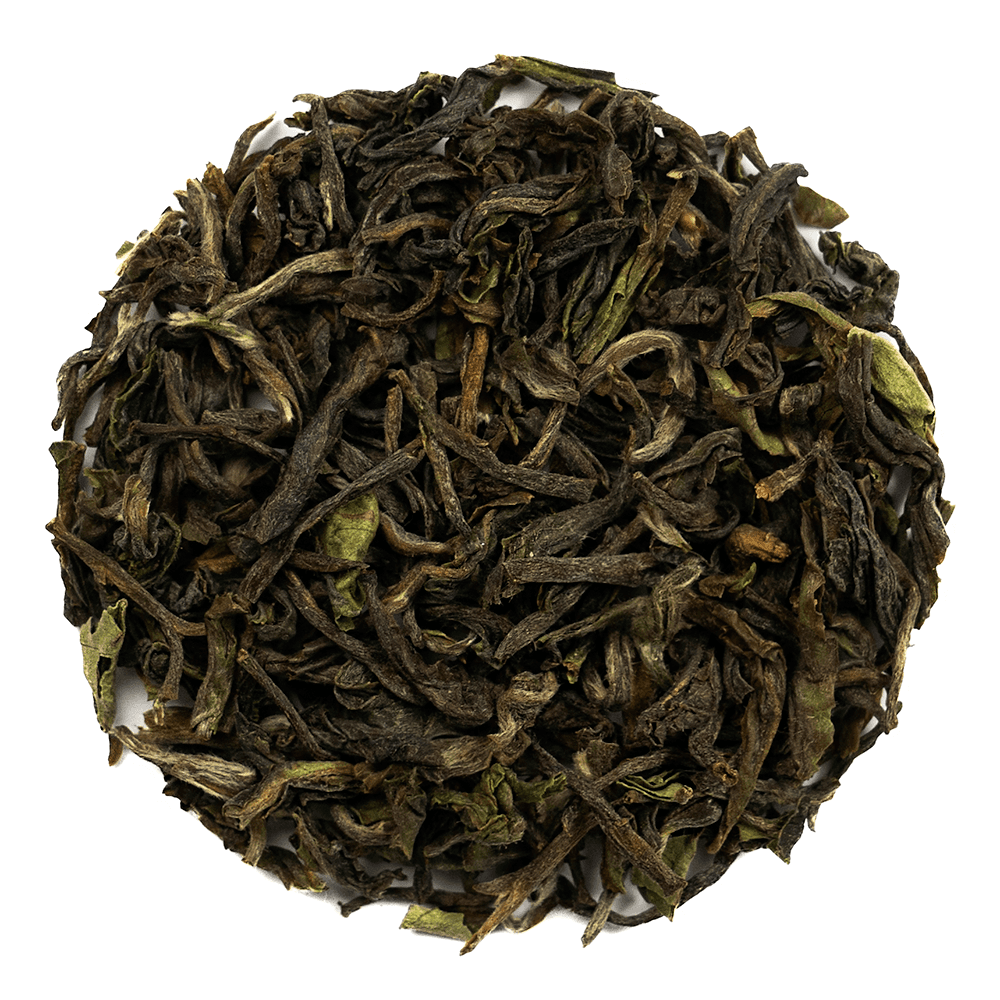
Spring's first pluck from Gopaldhara Tea Estate, picked on 9 April 2025 and manufactured and packed the following day, arrives with the delicate, brisk character that first flush Darjeeling is known for. The cup pours a pale golden colour and carries muscatel, floral and grassy notes, with green apple and peach threading through and a soft honeyed sweetness that lingers into the finish, so there is little need for sugar or milk to round it out. It sits on the lighter side of the Darjeeling spectrum, closer to a delicate white tea than to a hearty black.
Gopaldhara sits in the Mirik Valley, with gardens climbing from 5,500 to 7,000 feet above sea level, among the highest tea estates in Darjeeling. The estate dates back to 1881, and over that long history it has combined old plucking discipline with newer processing methods. It picks only two leaves and a bud, a standard that keeps the leaf delicate and the aroma intact. Cool mountain air, heavy mist and mineral-rich soil are credited with the tea's complexity and aromatic finesse. Alongside classic first and second flush Darjeelings, the estate also produces white and oolong teas along with small limited-edition batches from specialty cultivars. It has put real effort into eco-friendly farming, soil conservation and worker welfare, and its teas have picked up recognition internationally over the years.
To brew it, heat water to 85°C rather than a full boil, which would flatten the florals. One teaspoon of leaf per 200ml is a reasonable starting point, adjusted to taste. Steep for around two and a half minutes: much longer and the tea turns bitter, much shorter and you lose the sweetness. Pastries and other light snacks make a good pairing, since the tea's floral, honeyed side stands up well next to them without needing anything added to the cup itself.