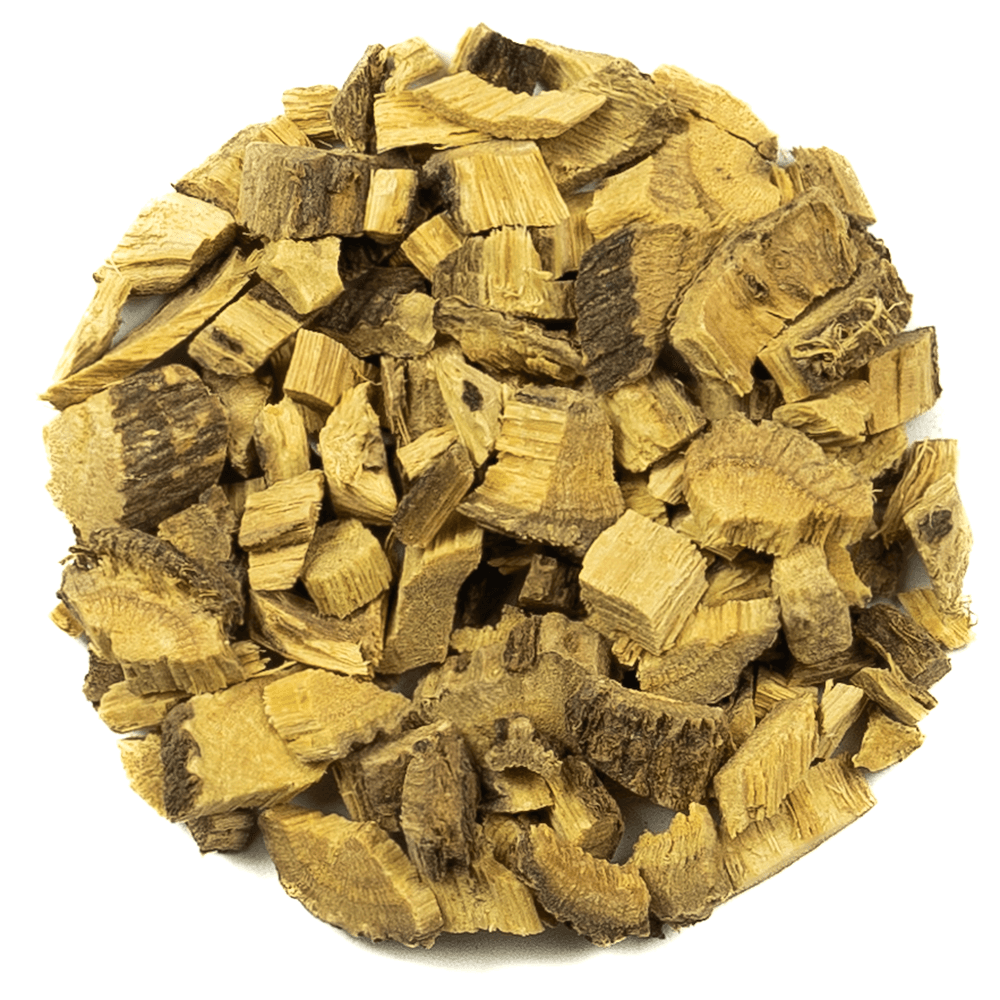
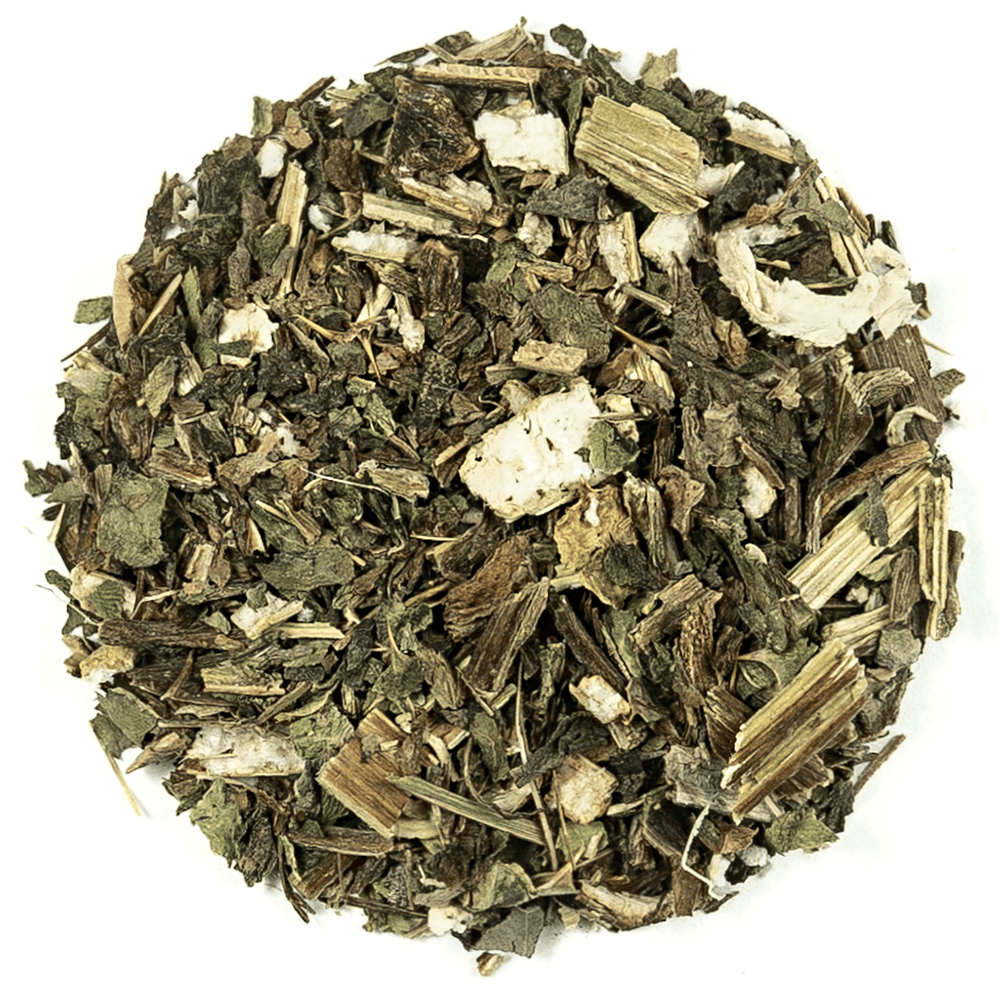
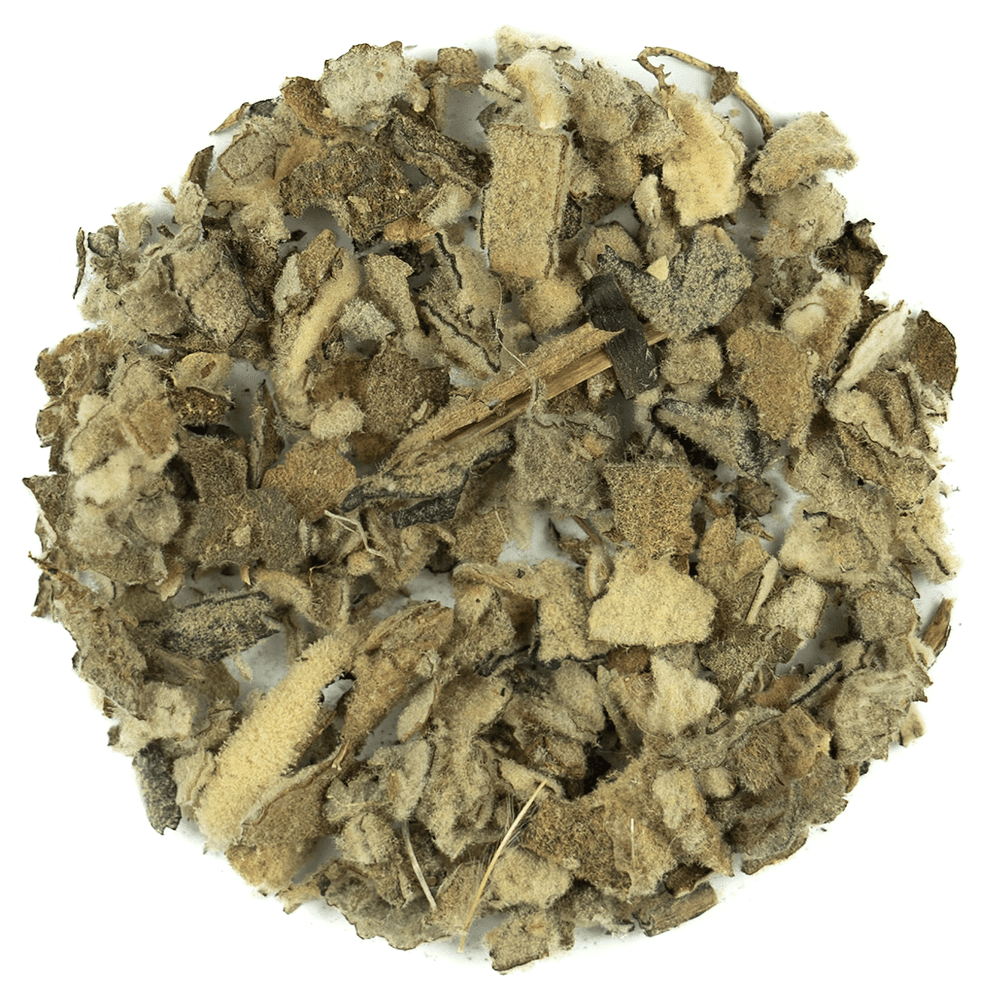
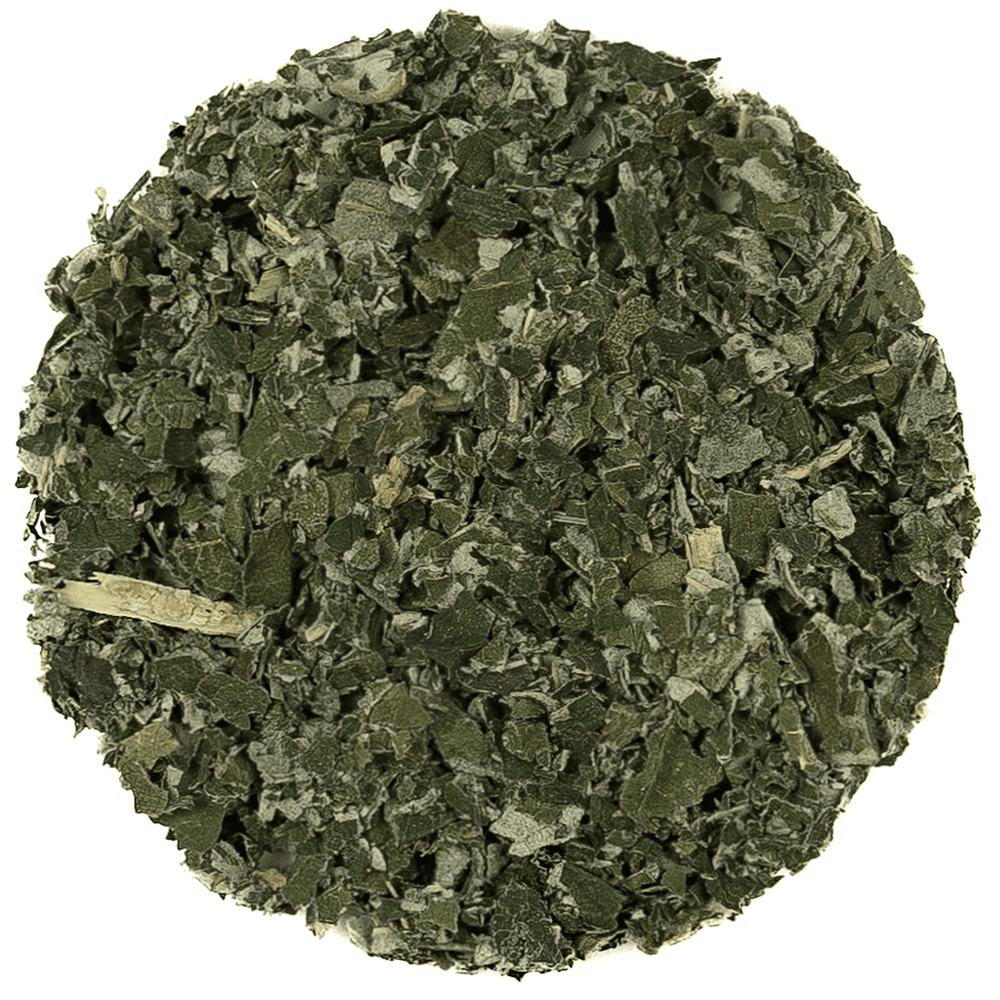
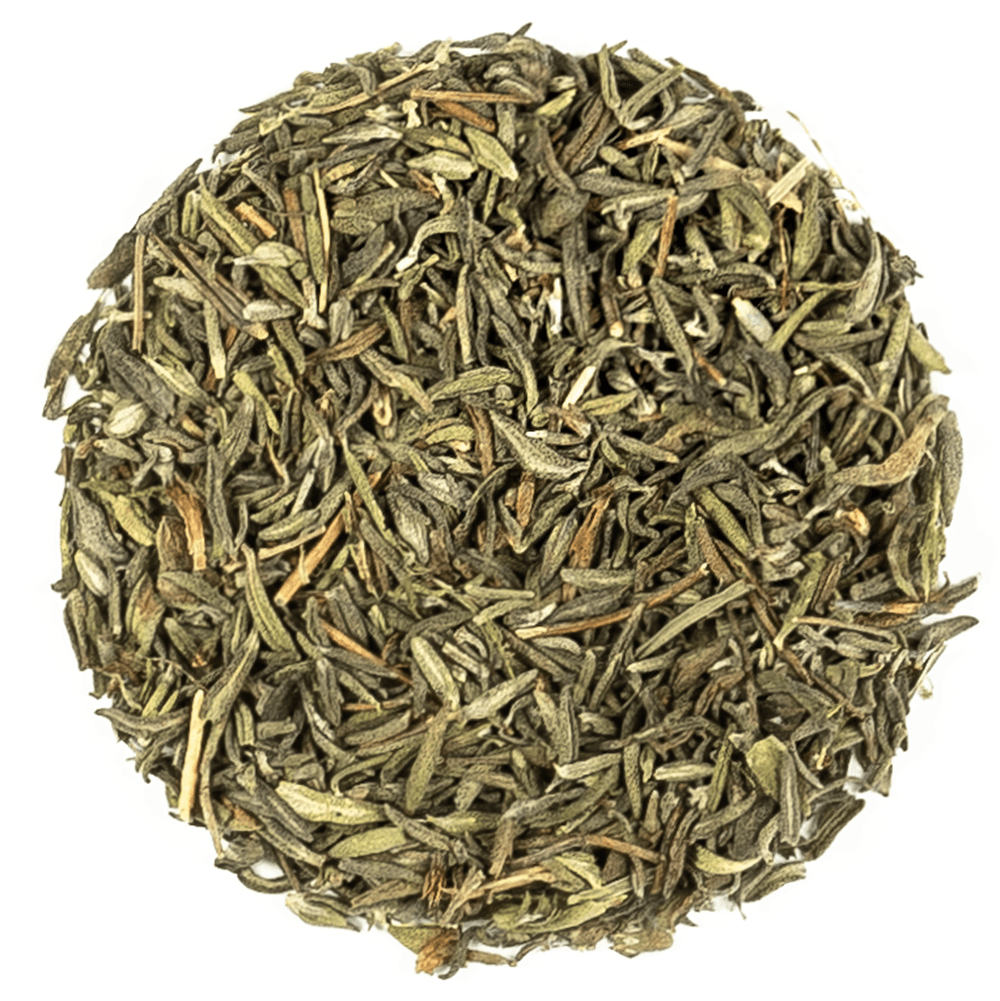
The roots of Withania somnifera are the source of this brew, a tough evergreen shrub also known as Indian ginseng or winter cherry. It grows across the dry, subtropical regions of Africa and Asia, including India, the Middle East and parts of North Africa, thriving in temperatures between 20°C and 32°C in well-drained soil that needs little water.
Ayurvedic medicine has used the root for roughly 3,000 years, traditionally ground into a fine powder and mixed with warm milk or water into a tonic. Steeping the roots as a tea grew out of that same practice, and as ashwagandha's renown spread through the ancient world, people began preparing it in a range of forms besides the tonic. The herb held a place in Indian herbal medicine cabinets through the Mughal era and the British colonial period, before more popular black and green teas pushed it into the background. Interest in it has returned in recent decades alongside a broader shift toward natural wellness in both Eastern and Western cultures, and for many people today it's less a remedy than a small daily ritual, one way of building simplicity into a routine.
In the cup, expect a mix of notes: lemon, cherry and honey up front, with nutty, earthy and pine undertones and a touch of milk and herbs beneath. It's naturally caffeine-free, so it suits an evening pour as easily as a morning one. Brew it in a teapot or an infuser, whichever is at hand, using cool water around 20°C rather than a full boil, and let it steep for about seven and a half minutes to draw out the full range of flavour. Once brewed, keep any dry root tea in a cool, dark place in an airtight container to hold onto its flavour.
Ashwagandha has long been classed as an adaptogen in Ayurvedic tradition, taken to help the body manage stress, and that tradition sits alongside ongoing research rather than settled medical fact.