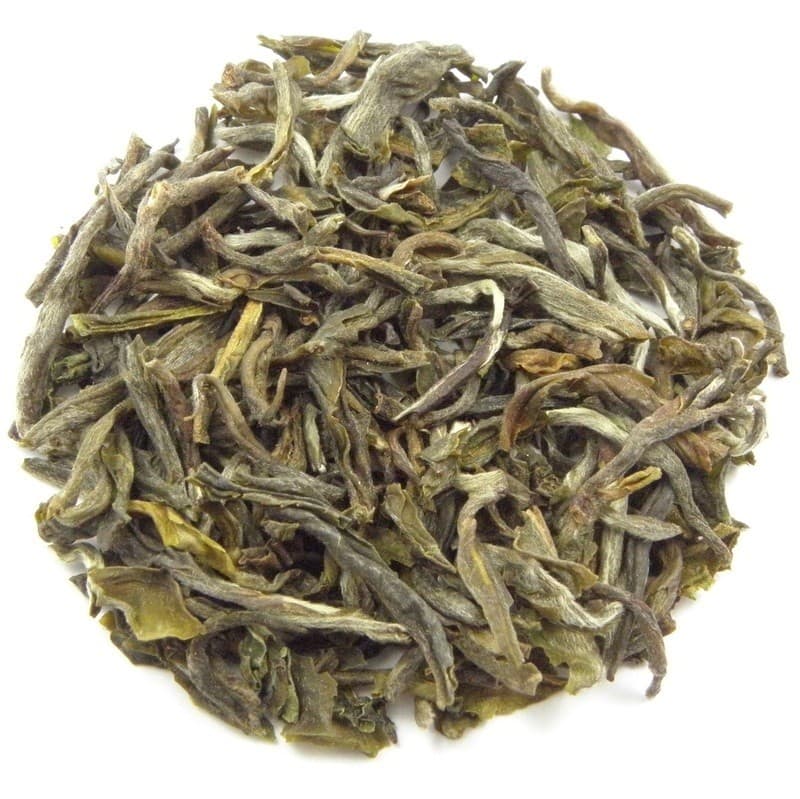
Between Dibrugarh and Tinsukia, on the fertile plains fed by the Brahmaputra, sits the Langharjan Tea Estate, one of Assam's higher-yielding gardens, turning out roughly two million kilograms of tea a year. The land here has the rainfall, soil and climate that Assam is known for, and Langharjan uses it to produce golden Orthodox tea prized for its deep golden liquor and complexity, the kind international buyers seek out.
The estate's story goes back to 1909, when Mr. George Ross Grant came across the land while extracting timber from the surrounding forest. Its name traces to the small river Langhori and the local word "jan," meaning stream; British planters first rendered this as "Langhorijan," which later shortened to Langharjan. Planting began in 1912 across 460 acres, though only 295 of those acres were yielding well by the following year. A tea house went up in 1914, setting the estate up for larger-scale production, and by 1921 it had come under the Jorehaut Tea Company. Mr. Cyril Gore took over as manager from Grant in 1912 and ran the garden until 1946, building it into the most profitable division in the Jorehaut portfolio, a fine tea garden by any measure of the time.
In the cup, this is a classic Assam: malty and full-bodied, with milk and grassy notes underneath and a briskness that carries through the finish. The texture leans smooth and thick, and it holds up well with milk if you want it that way, or takes it black if you'd rather taste the malt straight. Steep it at 93°C for about four minutes to get the body right, much less and you lose the depth this leaf is built for. A cup typically carries something like 40 to 70 milligrams of caffeine, though that shifts with how long you steep it and how much leaf you use, enough for a proper wake-up without tipping into jittery.