The name has nothing to do with where this tea grows. Bamboo Temple Yunnan Tea takes its name from Shizhusi, a stone bamboo temple on Shizhu mountain in Fujian province, where legend says anyone who sleeps in the Jinxian, or Nine Immortals, Tower wakes with their wishes granted. The tea itself is grown a long way from there, in Yunnan, the southern Chinese province bordering Sichuan, Guizhou and Guangxi, and reaching toward Tibet, Burma, Laos and Vietnam.
Yunnan has produced both black and green tea for a long time, but its black tea industry has a specific origin story. During the Second Sino-Japanese War, fighting had turned the tea-growing provinces of southeast China into war zones, and China needed a new source to keep its black tea trade alive. In 1938, Feng Shao Qi of the China Tea Corporation set out with his colleague Zheng Hechu to scout Yunnan's potential. They reached Kunming that October, took a three-day steam train to Xiaguan, then walked close to fifteen days across mountain ranges and stretches of the Mekong river before arriving in Shunning, now called Fengqing, by November. They gathered samples and made it back. The Yunnan Tea Trading Corporation opened the following month, and between 1939 and 1941 the Shunning Experimental Tea Factory turned out 110 tonnes of gongfu Yunnan black tea, the foundation this style of tea grows from.
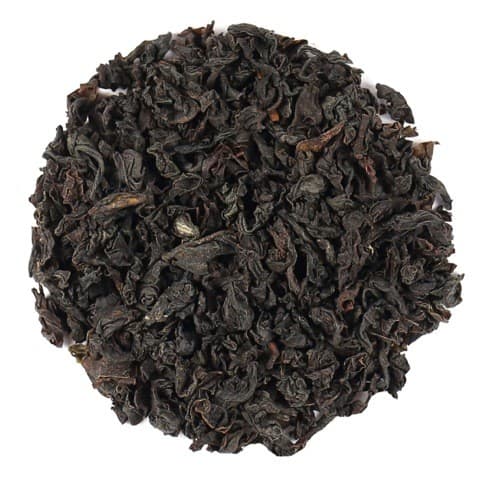
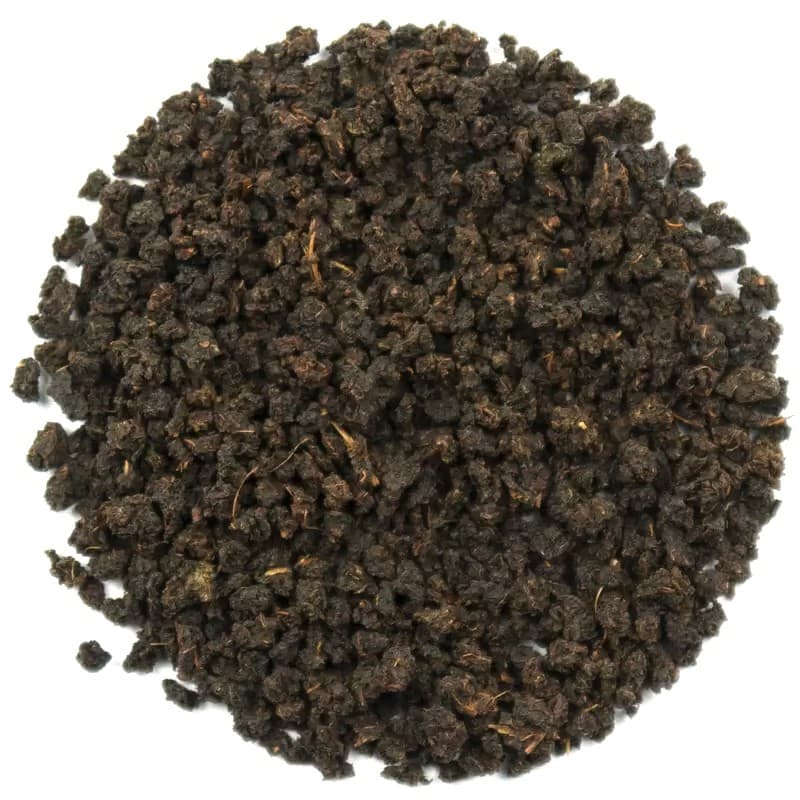
This is a high-grown black loose leaf tea, handcrafted in small batches, with a coppery, light-toned liquor. Expect a strong, flavoursome cup with buttery undertones, alongside notes of lemon, stone fruit, honey, milk and coffee. Black tea has long carried a reputation for helping the metabolism along, though that's closer to folklore than settled fact.
Brew it with freshly boiled water and let it infuse for three to five minutes. Most people drink it black, though it takes milk, sugar, honey or lemon if you prefer it that way.