Blackberry leaves come from the bramble plant — the same perennial in the rose family that gives us the fruit, a Rubus species that spreads across Europe and North America, including Nova Scotia and the eastern United States. Long before anyone thought to dry the leaves for tea, the plant itself had a reputation: Greek and Roman herbalists used it for sore throats and digestive complaints, and Native American communities planted brambles around settlements as a natural barrier against predators.
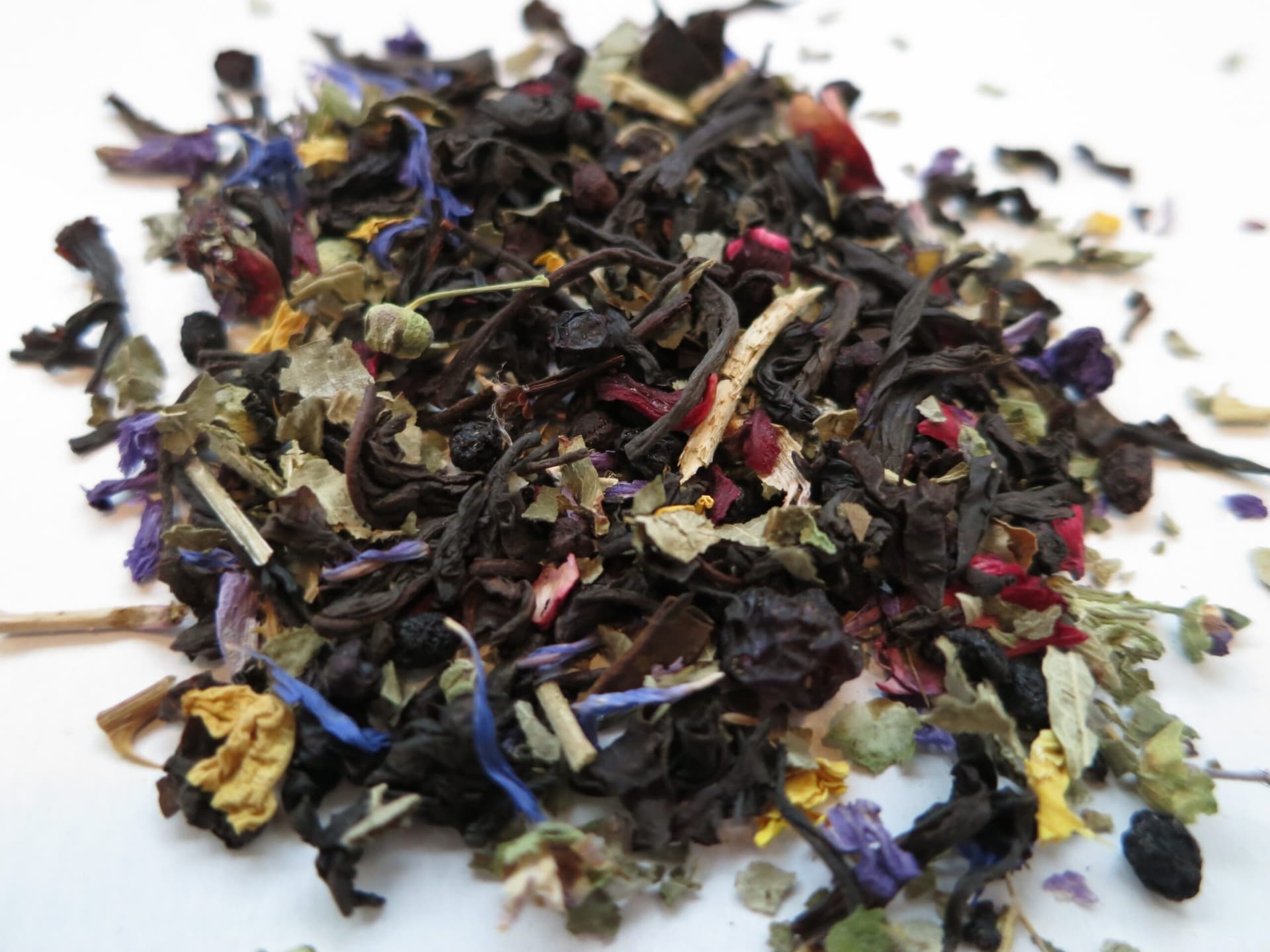
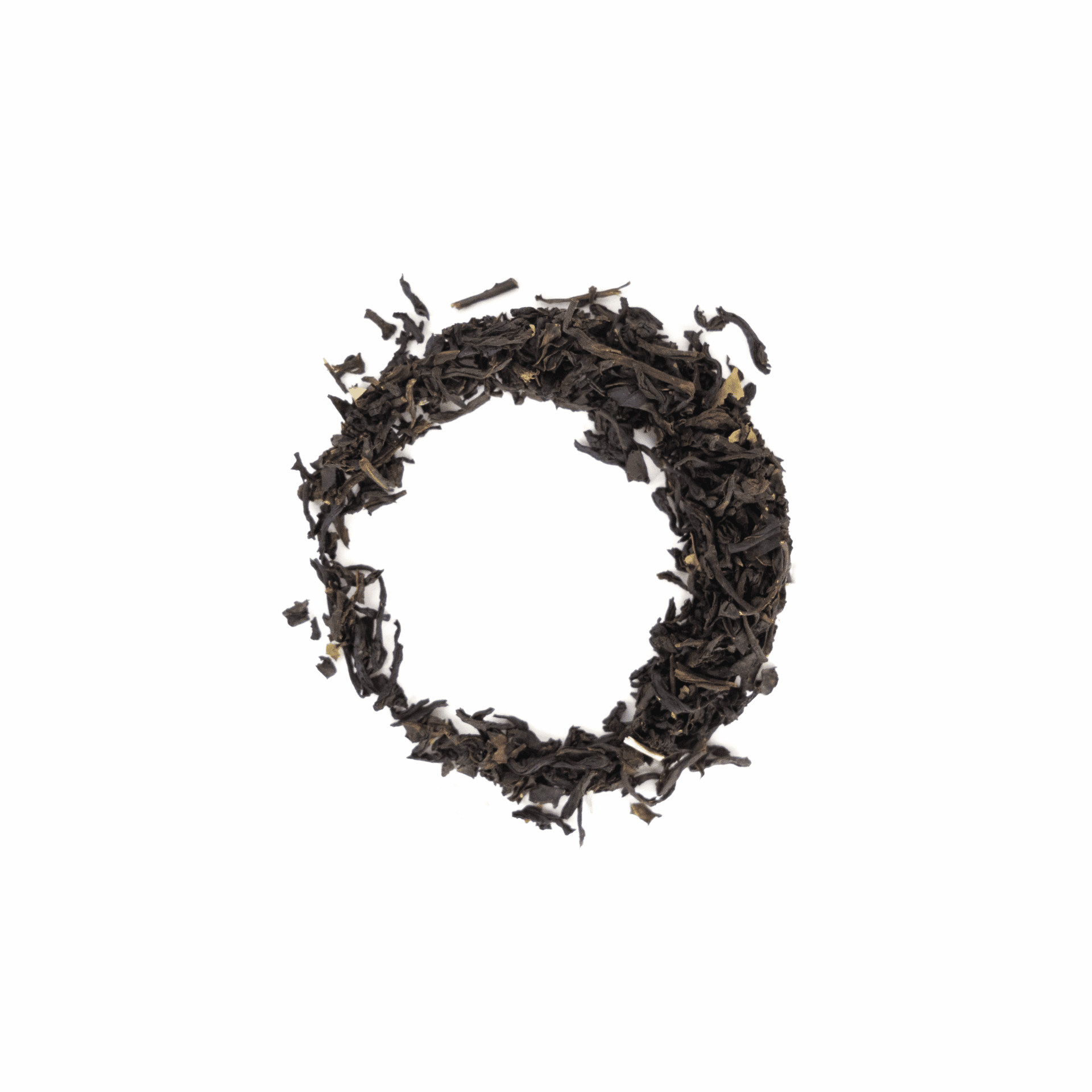
In the cup, the tea leans earthy and slightly sweet, with a tart berry edge that lingers — closer to a black tea in body, with notes of blackberry and other berries, herbs, peppermint, coffee, and a drying, astringent finish. It carries no caffeine, which makes it a reasonable choice at either end of the day. Tea & Coffee, which sells this particular batch, ties that astringency to hydrolysable tannins and flavonoids in the leaf, the same compounds behind its traditional use for soothing the mouth and throat and settling an upset stomach.
Steep a teaspoon of the dried leaf in freshly boiled water for around seven and a half minutes — Tea & Coffee suggests a five-to-ten-minute range, with more leaf or a longer steep giving a stronger, more tannic cup. It blends easily with peppermint or chamomile if you want to soften the tartness. Because of the tannin content, it's worth keeping to a cup or two a day; drunk stronger or more often, it has been linked to nausea and stomach upset. Blackberry leaf also has a folk history as a labour aid in pregnancy, which is exactly why Tea & Coffee tells expecting and recently postpartum mothers to steer clear of it — a caution worth repeating rather than testing.