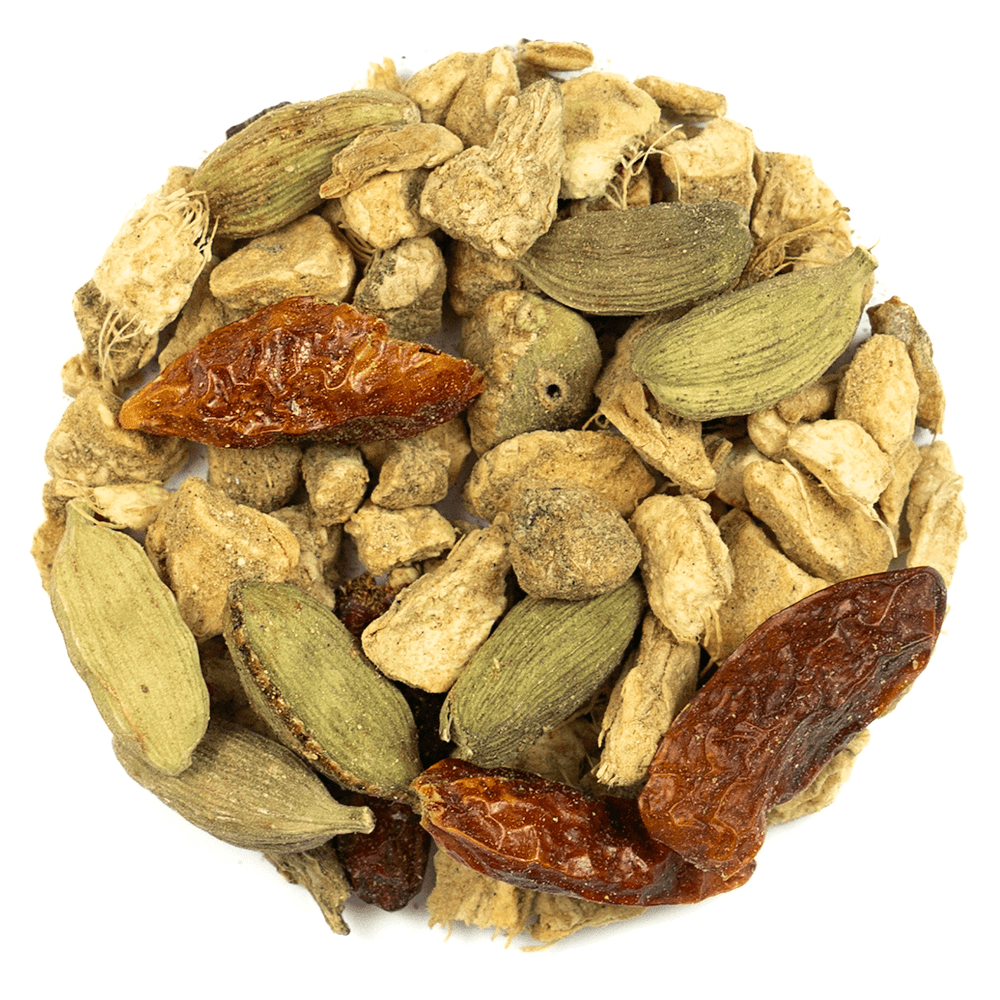
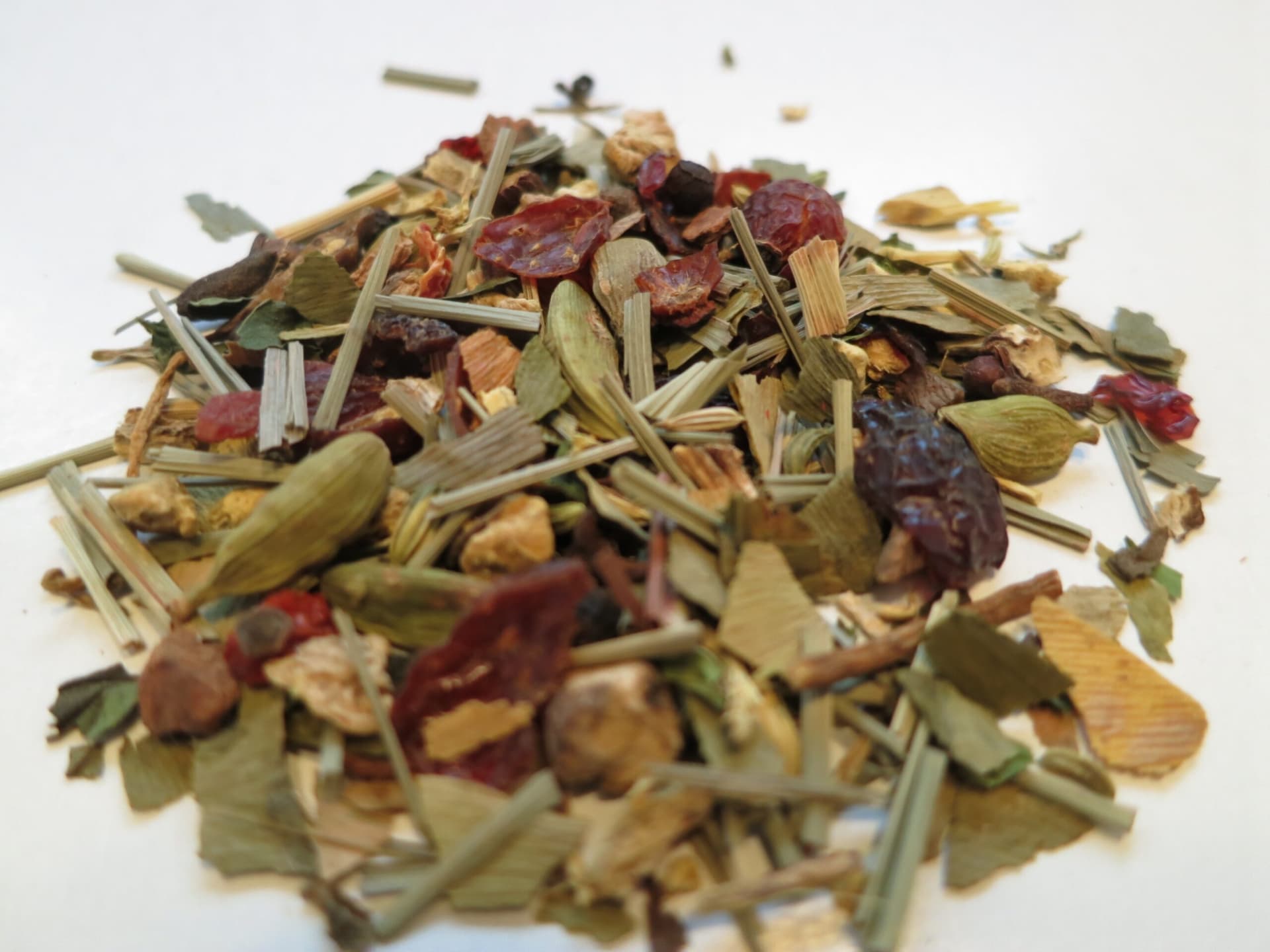
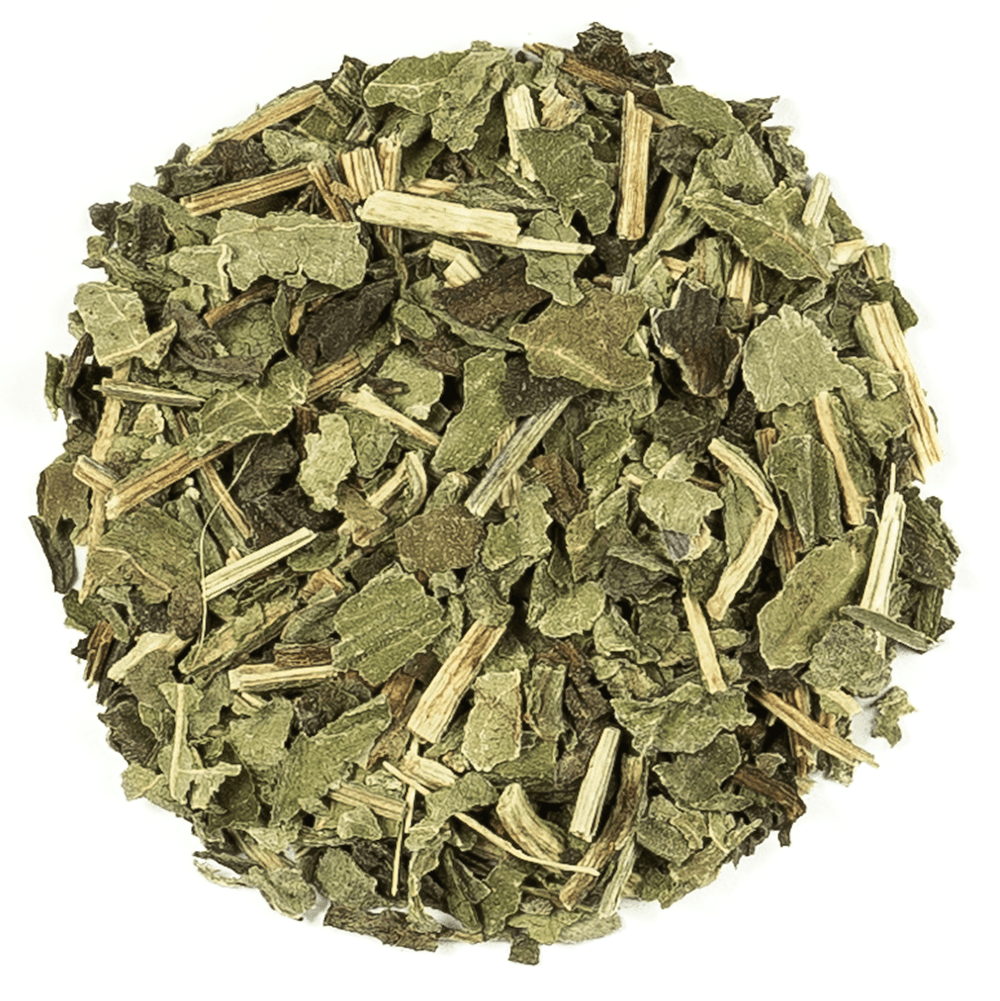
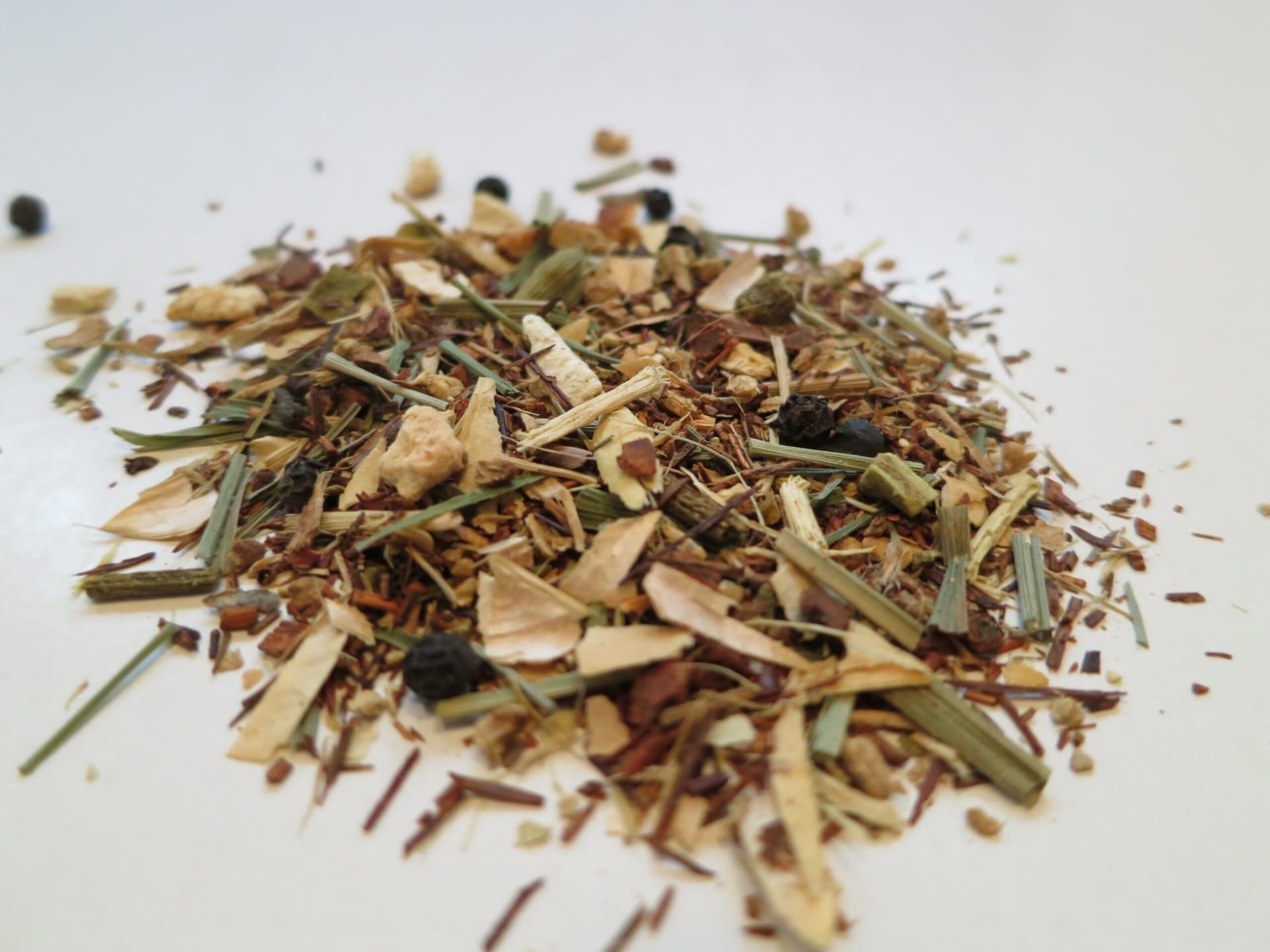
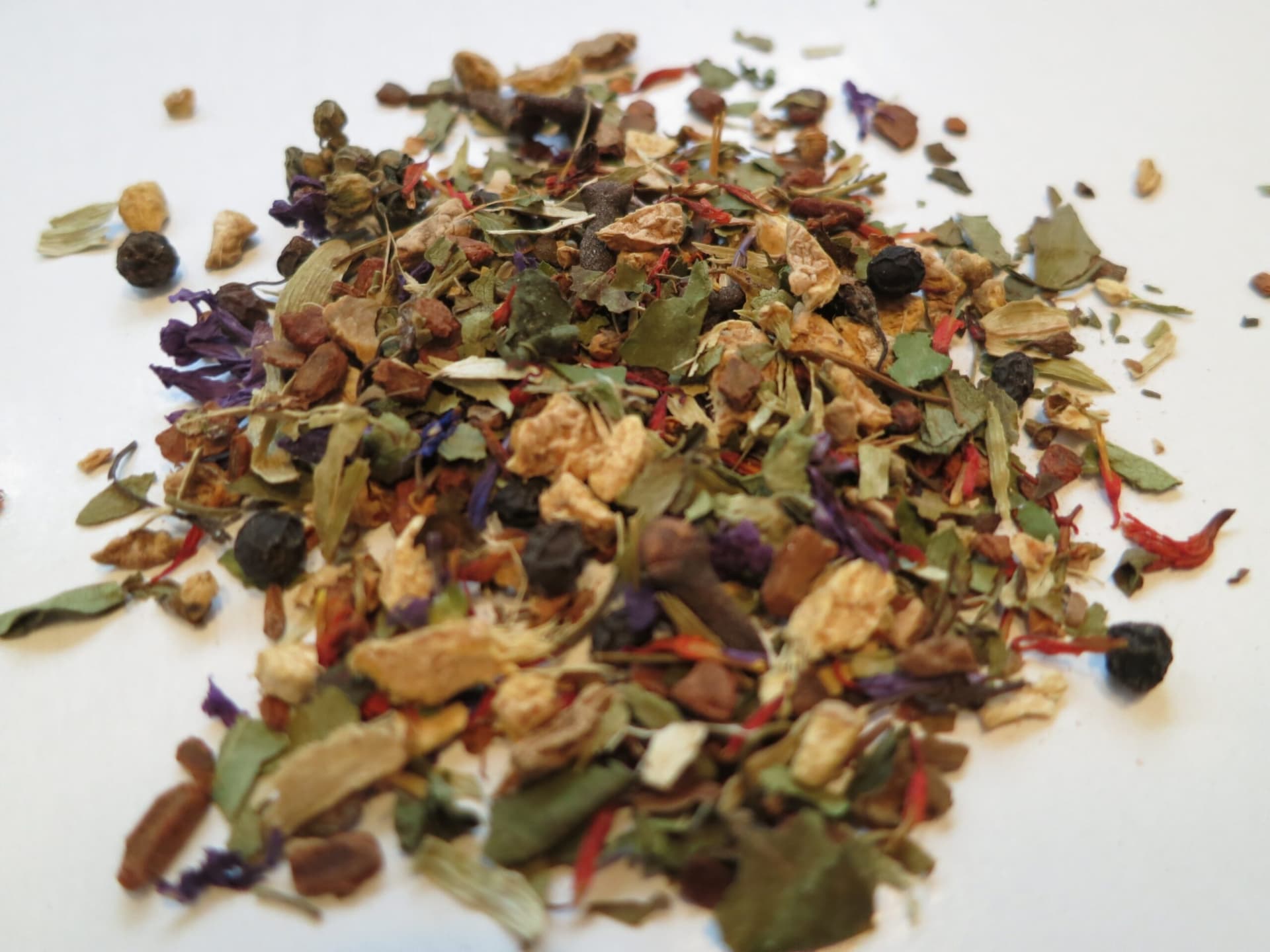
Kerala has grown cardamom for so long that it's hard to separate the spice from the region's daily habits, and pods that end up in curries there just as often end up steeped on their own, a practice going back millennia. The seeds come from plants in the Elettaria and Amomum genera, part of the ginger family, Zingiberaceae, and historians count cardamom among the oldest spices still in everyday use. It shows up most famously in traditional Chai, the Indian black tea blend that also leans on cinnamon, pepper and cloves, but brewed alone it holds its own.
Ayurveda has long treated cardamom as "tridoshic," meaning it is believed to balance all three doshas rather than favour one, which in that tradition supports harmony across body and mind. Cultivation on a large scale dates to the 19th century, when the British Raj set up sizeable cardamom plantations in the region; since Indian independence the growing areas have stayed much the same.
Brewed on its own, this tea comes across as bold and slightly sweet, with an intensity that carries from the first sip to the last, closer to a hearty cup than a delicate one. Expect notes that run from warm spice and ginger through to something almost vegetal, with lemon and honey brightening the edges if you add them. It is naturally free of caffeine, like the great majority of herbal infusions, so it suits anyone cutting back rather than looking for a lift. Calorie-wise it sits a touch above green or peppermint tea, though the difference is small, at roughly 18 calories a cup.
To brew it, add loose cardamom tea to an infuser, set that in a cup or mug, and pour water just off the boil at 100°C over it. Let it steep for around seven and a half minutes to draw out the full spice character. Honey or lemon both work well stirred in, or it can be served with nothing added at all.