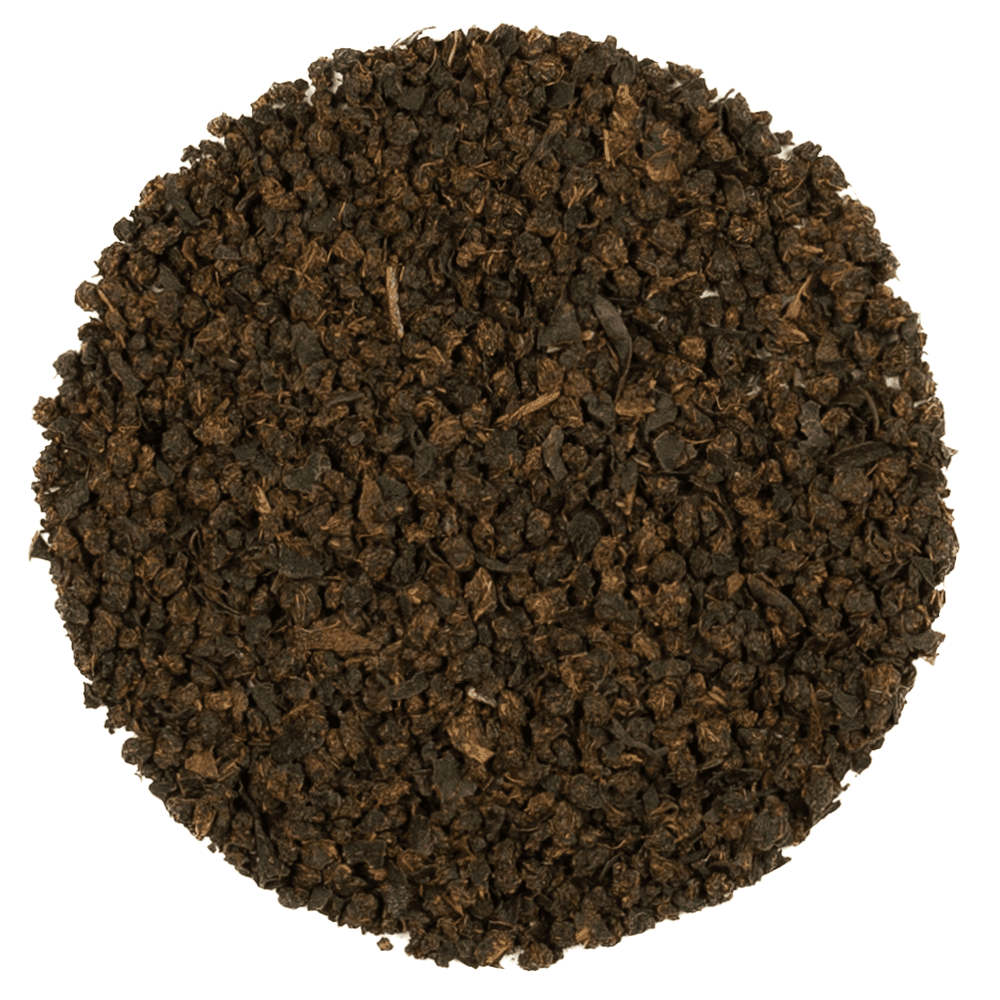
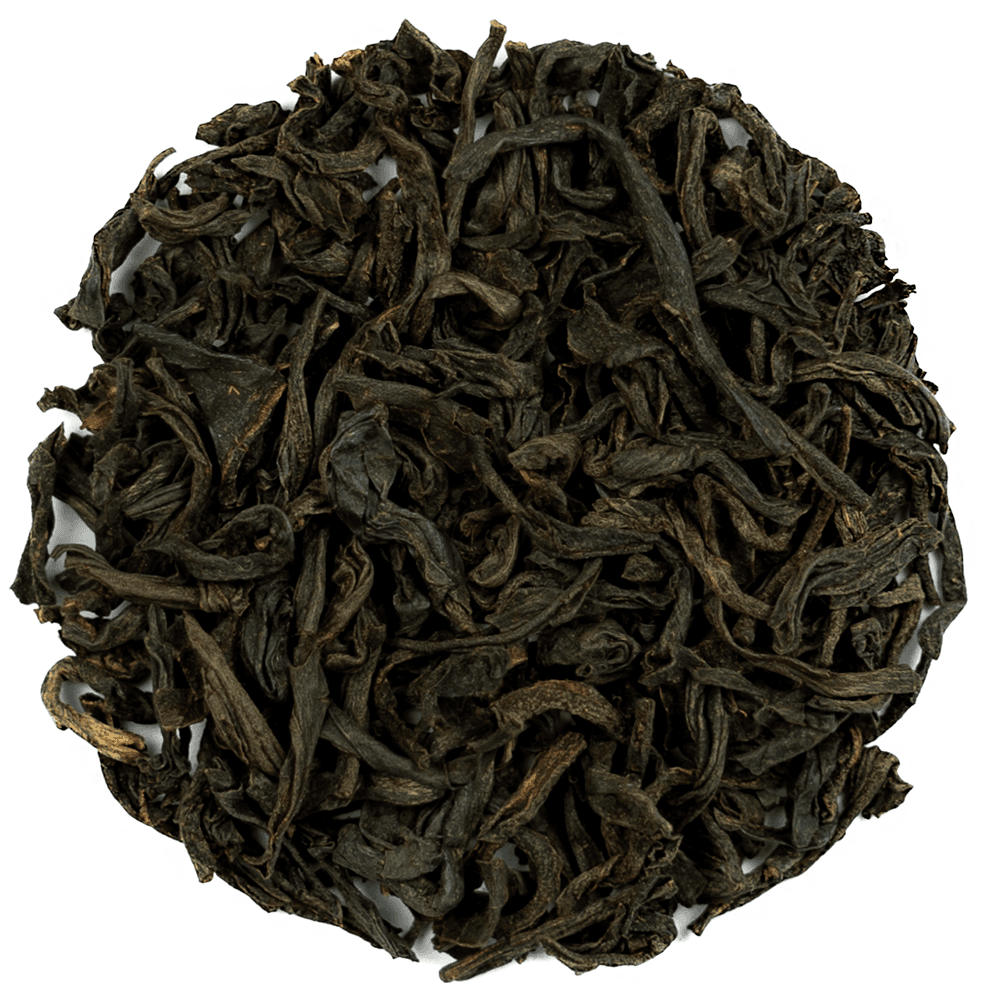
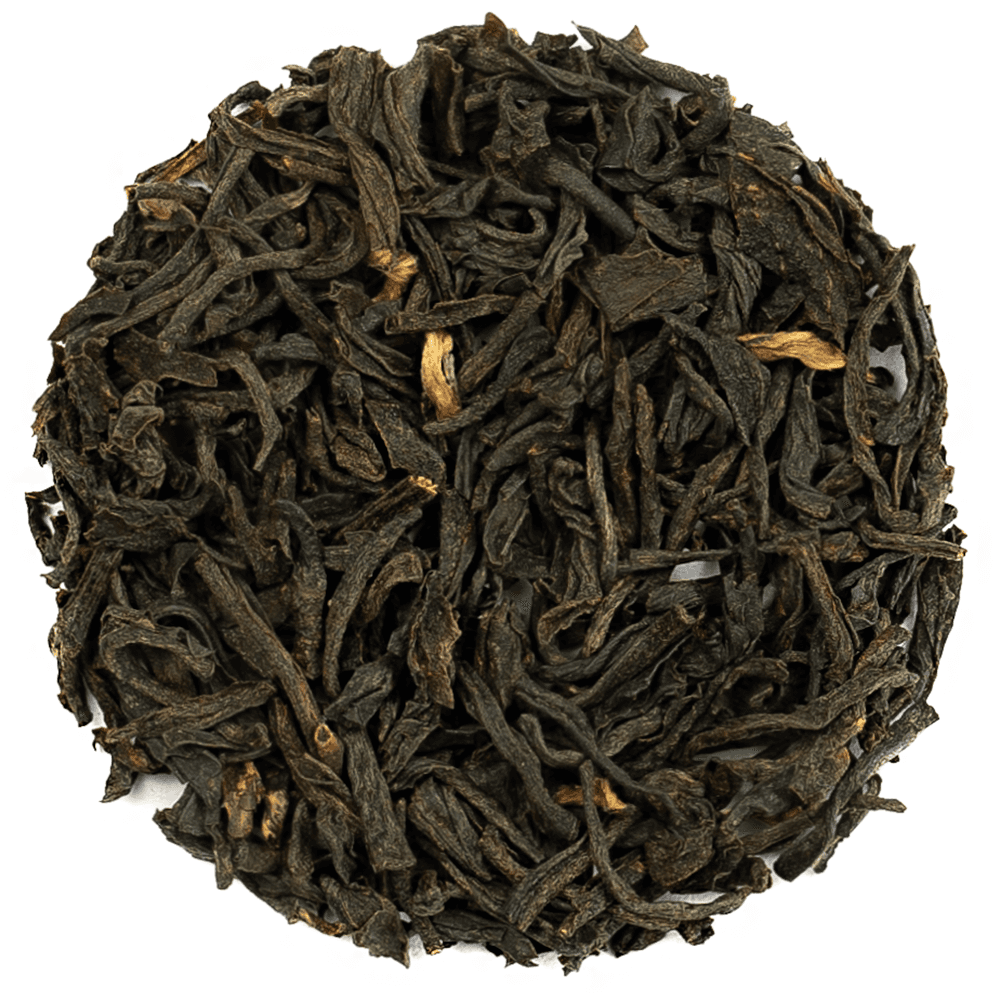
Bogawantalawa valley in Sri Lanka's Uva province sits at around 1,000 metres, and the fertile ground there has been growing tea since 1870, when the Blackwood estate was first established — one of the oldest gardens on the island. This Orange Pekoe comes from that estate, certified organic, meaning the bushes are grown without synthetic fertilisers, herbicides or pesticides.
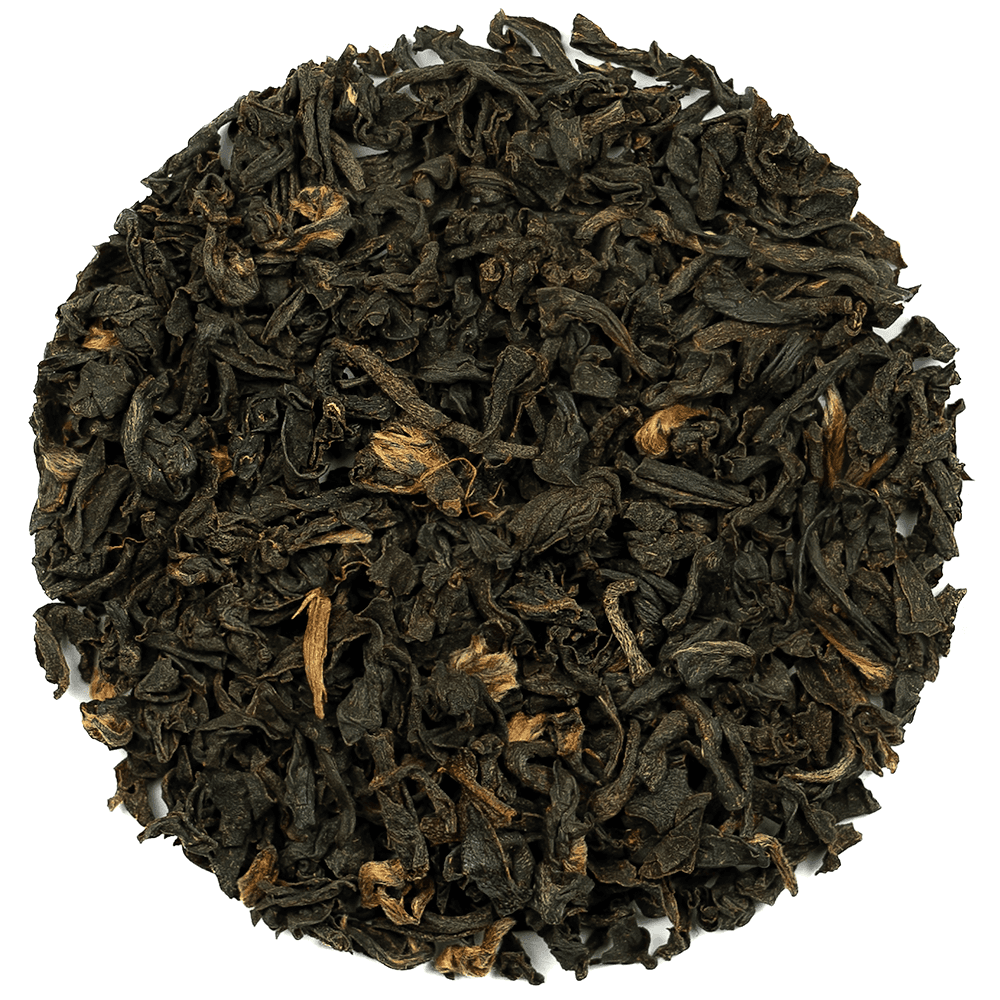
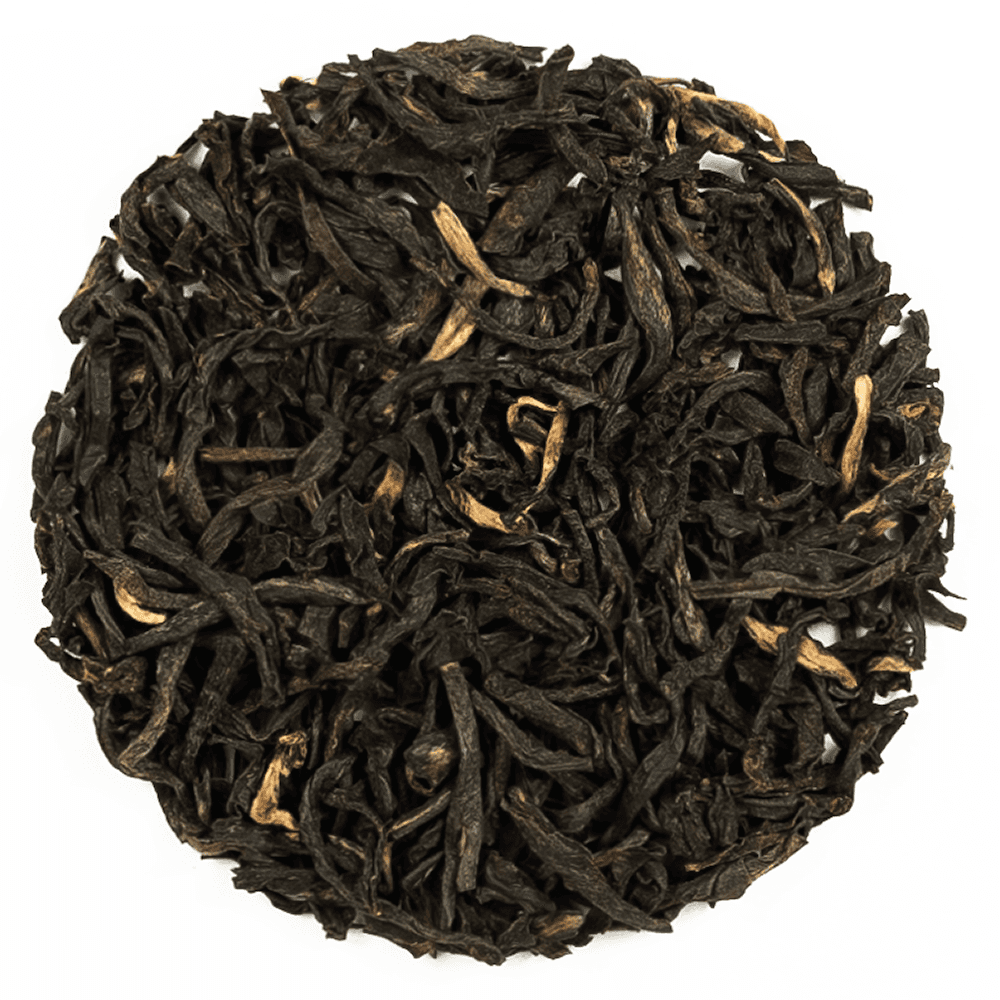
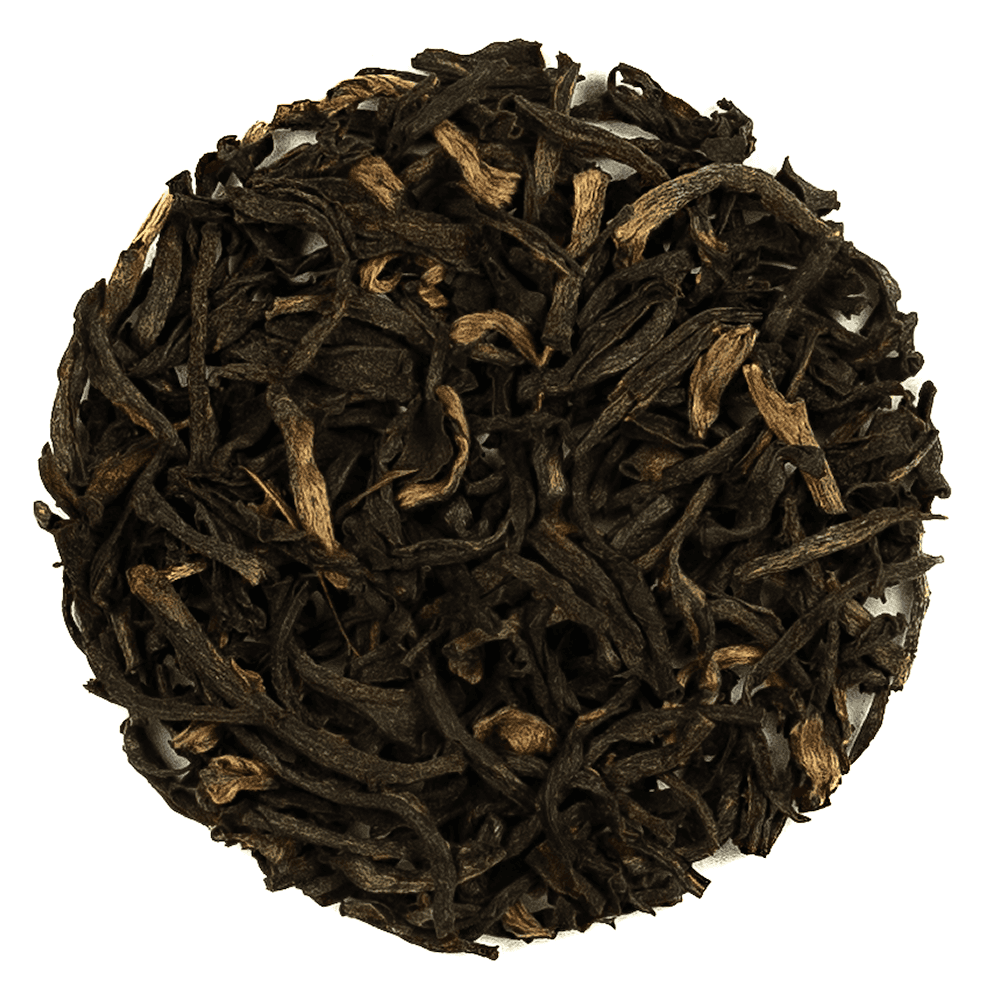
The leaves are picked once the buds have opened, so unlike Flowery Orange Pekoe grades this tea carries little tip and skips the more delicate, budded character. What it offers instead is a full, rounded cup: short, wiry dry leaves that unfurl into a rich, malty liquor with a coppery colour, light in tone, and an aftertaste that lingers well past the last sip. Expect notes leaning towards orange, lemon and honey alongside the malt, with a thickness on the palate that sets it apart from lighter Ceylon teas.
Orange Pekoe, or OP, is a grading term used across Sri Lanka (formerly Ceylon) to describe larger, more open leaves than the FOP grade. The country's tea industry grew out of necessity: when a plant disease wiped out much of the island's coffee crop in 1869, planters turned to tea instead. A Scotsman, James Taylor, put in the first 19 acres at Loolecondera Estate in Kandy, built a proper factory by 1872, and sold his first Ceylon tea that same year, the start of an industry that has run continuously since.
Black tea of this kind has long been drunk for its effects on alertness and general wellbeing, with traditional use pointing to benefits for heart health, digestion and the immune system, though none of this should be read as medical advice.
To brew it, use freshly boiled water and infuse for three to five minutes. It takes milk or sugar well, honey or lemon if preferred, or can be drunk black.