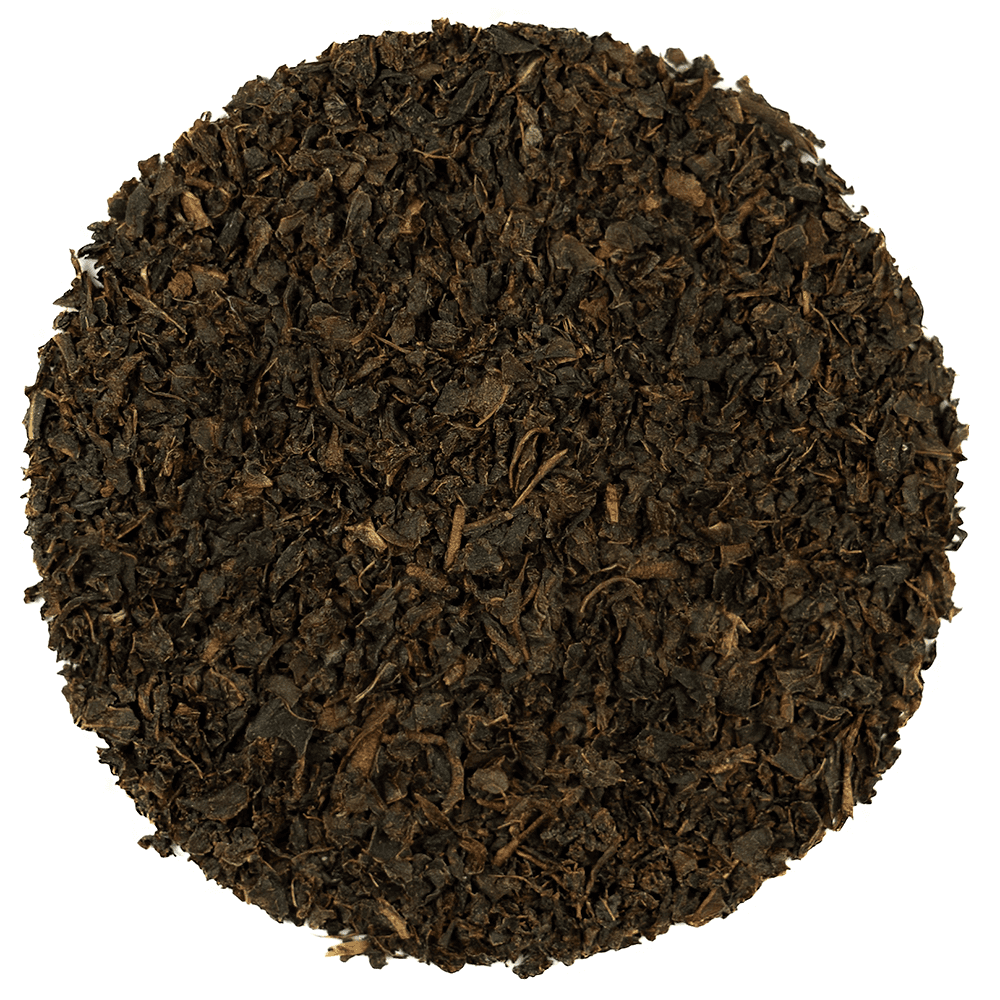
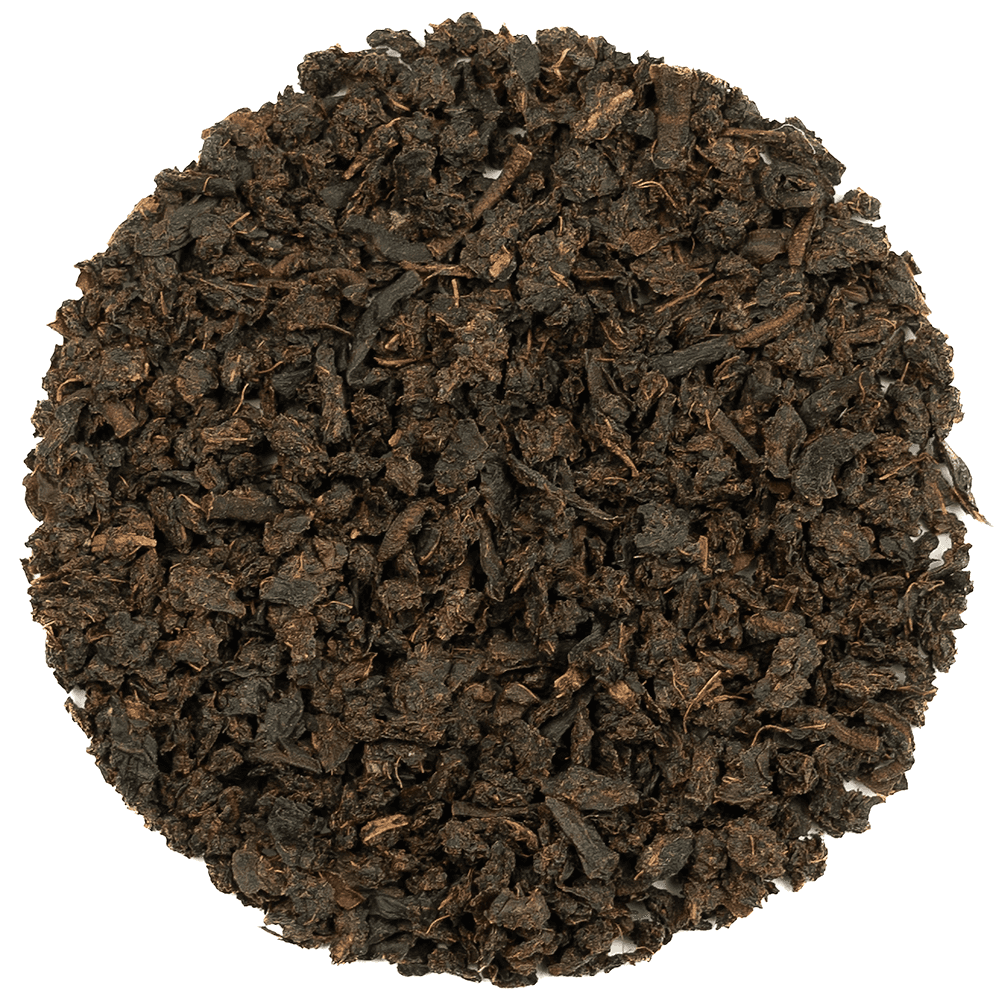
Dimbula sits in Sri Lanka's Central Province, wedged between two high plateaus, and its estates are widely considered among the country's best. This broken orange pekoe grade from the district brews into a coppery, dark liquor with a cup that leads on lemon and orange, settles into honey and milk, and finishes thick, brisk and almost coffee-like — the kind of body traditionalists go looking for.
Most of Dimbula's gardens sit between 1,100 and 1,600 metres, high enough to count as high-grown, and the district's shifting microclimates shape the character of what ends up in the cup. The valley the district takes its name from is also known for its wildlife, with elephants, large numbers of deer and sambhur, and eagles sharing the landscape with the tea gardens. Tea & Coffee packs this batch fresh to order.
Ceylon is simply the older name for Sri Lanka, a holdover from the island's time as a British colony that locals kept for their tea because of the reputation it earned abroad. Production took off in the 1800s after a plant disease wiped out the island's coffee crop, and tea effectively rescued the economy coffee left behind. Around 4 percent of Sri Lanka's land is now given over to growing it, spread across regions including Kandy, Uva, Nuwara Eliya and Dimbula.
Brew it with freshly boiled water for three to five minutes. It takes milk, sugar, honey or lemon well, or works on its own, black. An 8-ounce cup carries roughly 45mg of caffeine, enough for a real lift, and black tea in general has long been drunk with the idea that it helps keep the mind sharp, an old belief rather than a proven one.