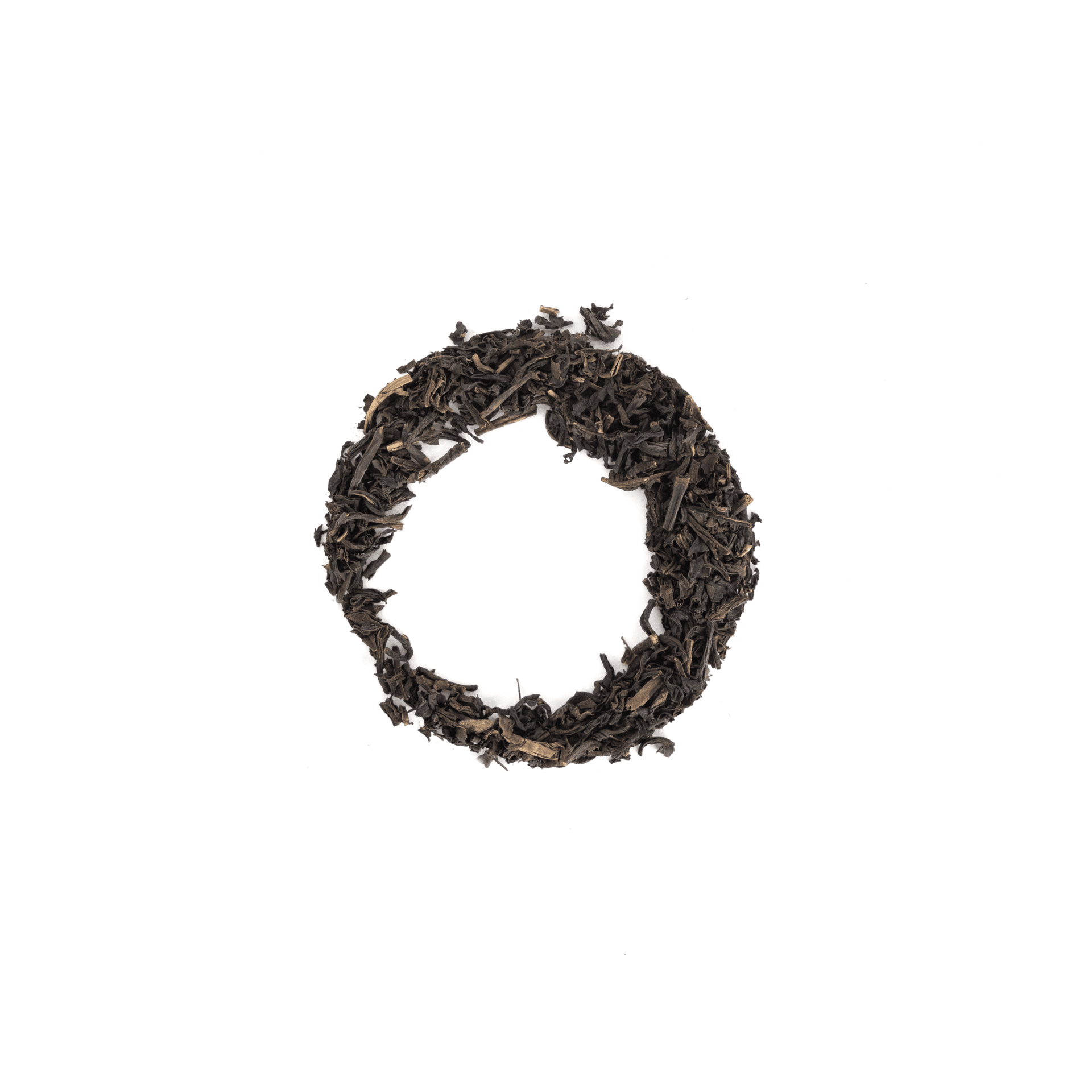
Soom Tea Estate has grown tea in Darjeeling for more than 120 years, and its first flush, picked in early spring, is the harvest most prized from the region. This lot carries the season's hallmark: a floral aroma with citrus threaded through, light and clean on the palate rather than heavy or malty.
The garden covers 237 planted hectares about 18 kilometres outside Darjeeling town, bordered by North Tukvar Tea Estate to the north, Phoobsering to the east, and Singtam Garden to the south. It dates back to 1860, when J. Jerdin first planted it; the property changed hands several times before the Chamong Group took over in 2001, and the garden has gone by "Soom" since.
Most people living around the estate are Nepali or Tibetan Buddhist, and the 2011 census put roughly one in six residents in one of those two groups. Chamong Group houses workers and their families, many originally from Assam or Meghalaya, in around 500 homes on site. Local schooling is all primary level, apart from one English-medium school near the community centre that has been running for more than 50 years.
To brew it, let boiled water cool for a couple of minutes to around 90-95°C, then steep a teaspoon of leaves for about four minutes. First flush Darjeeling like this is traditionally drunk as a lighter alternative to a heavier black tea, and has long been credited with boosting metabolism, lowering cholesterol, easing stress, and supporting the body's natural detox — though that's folk wisdom rather than a medical claim.