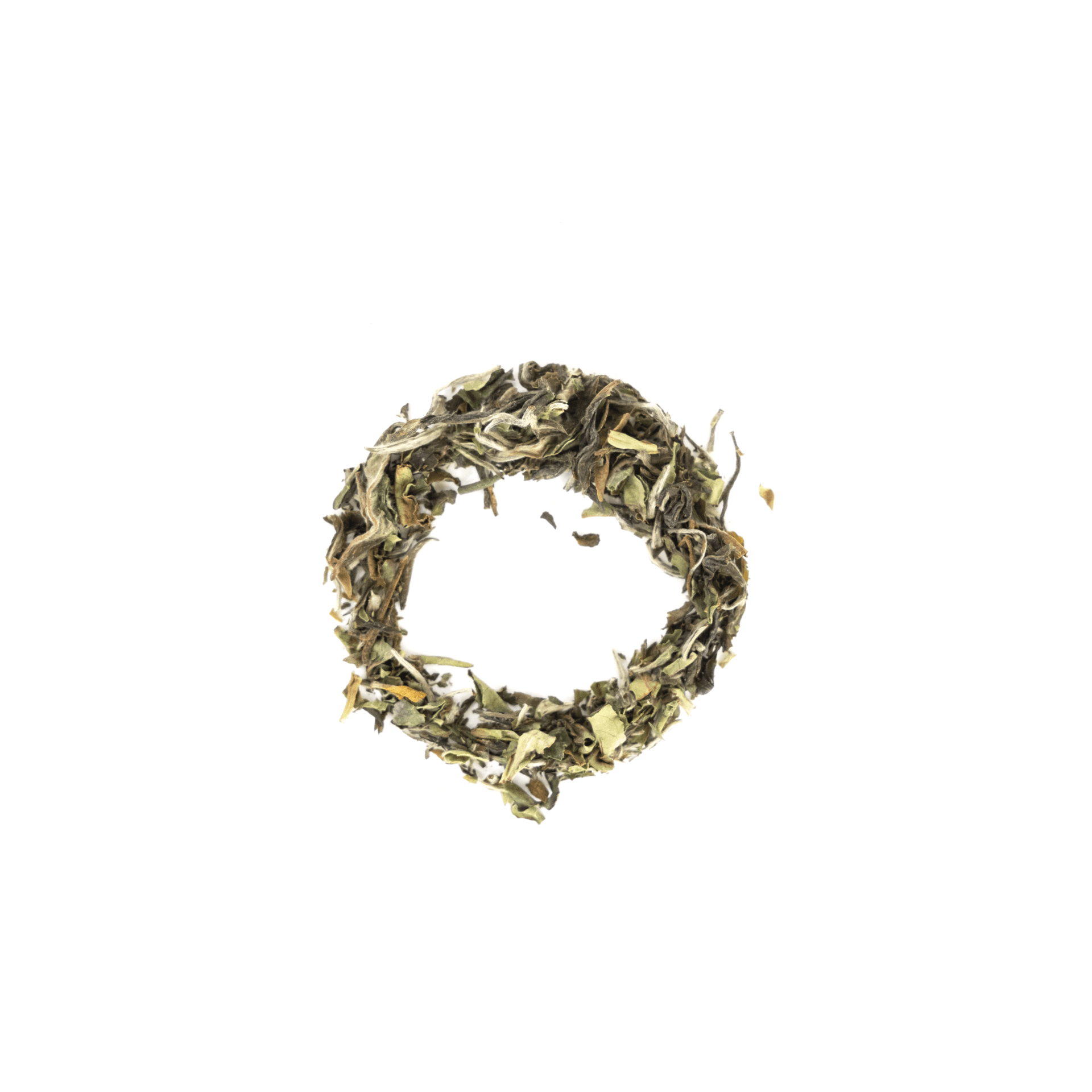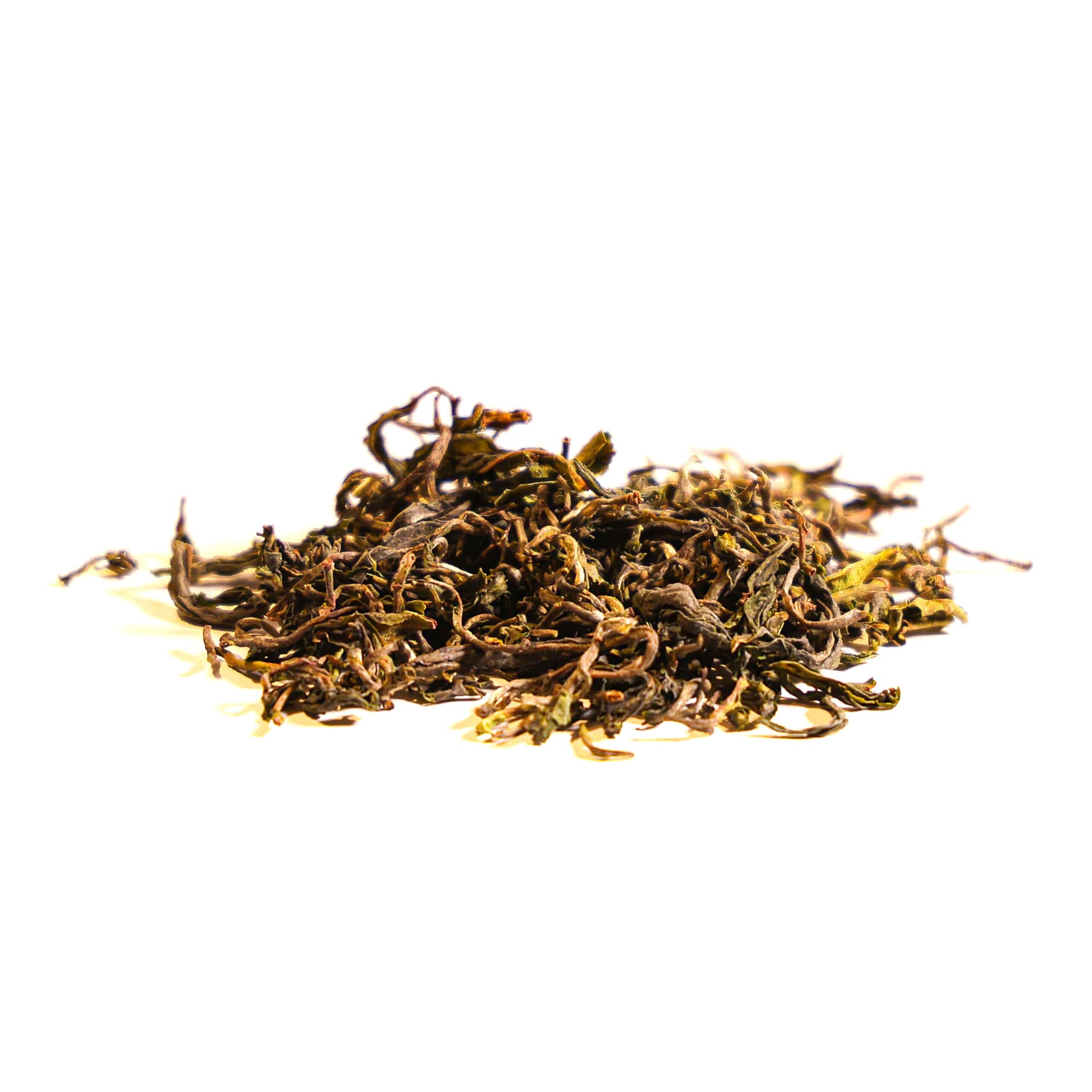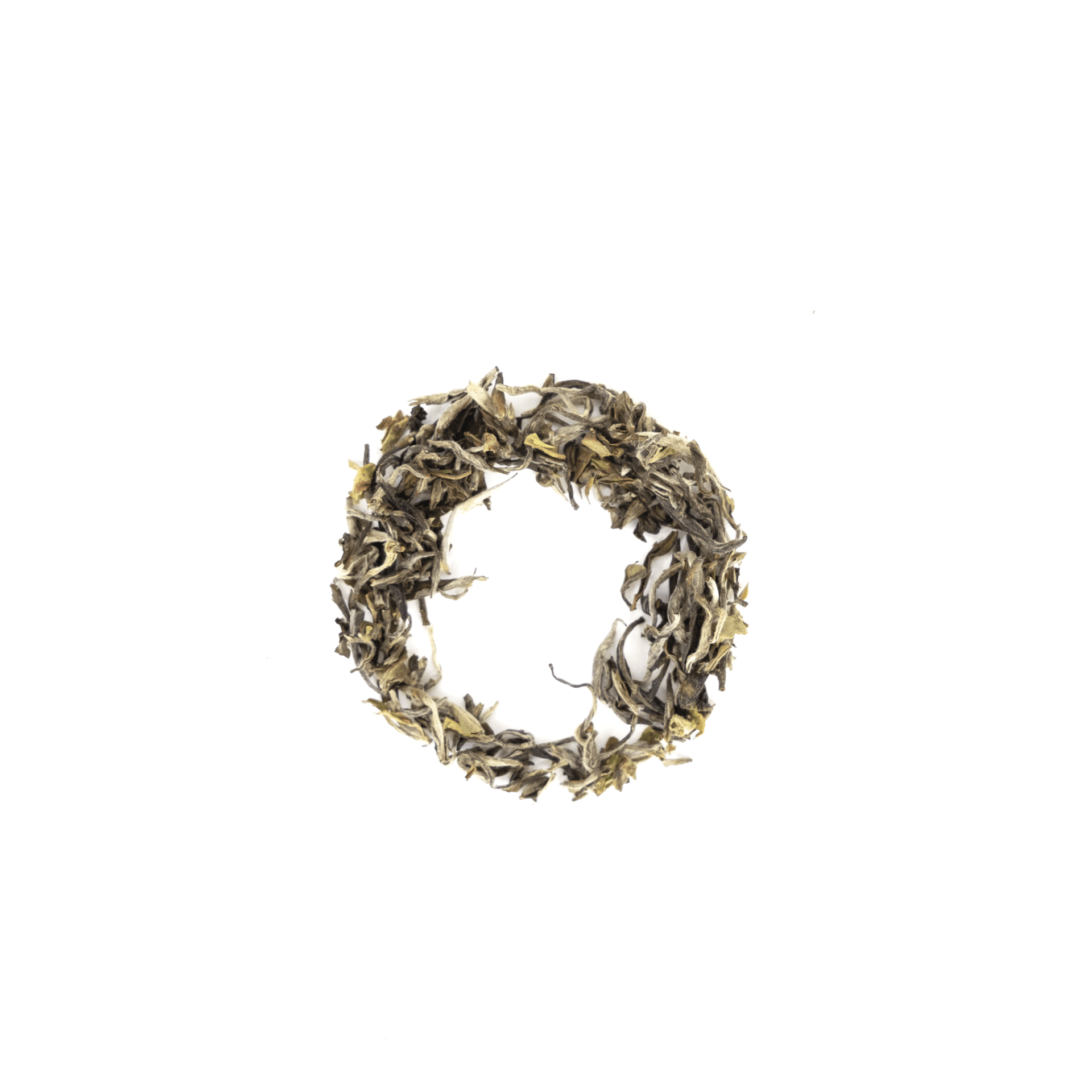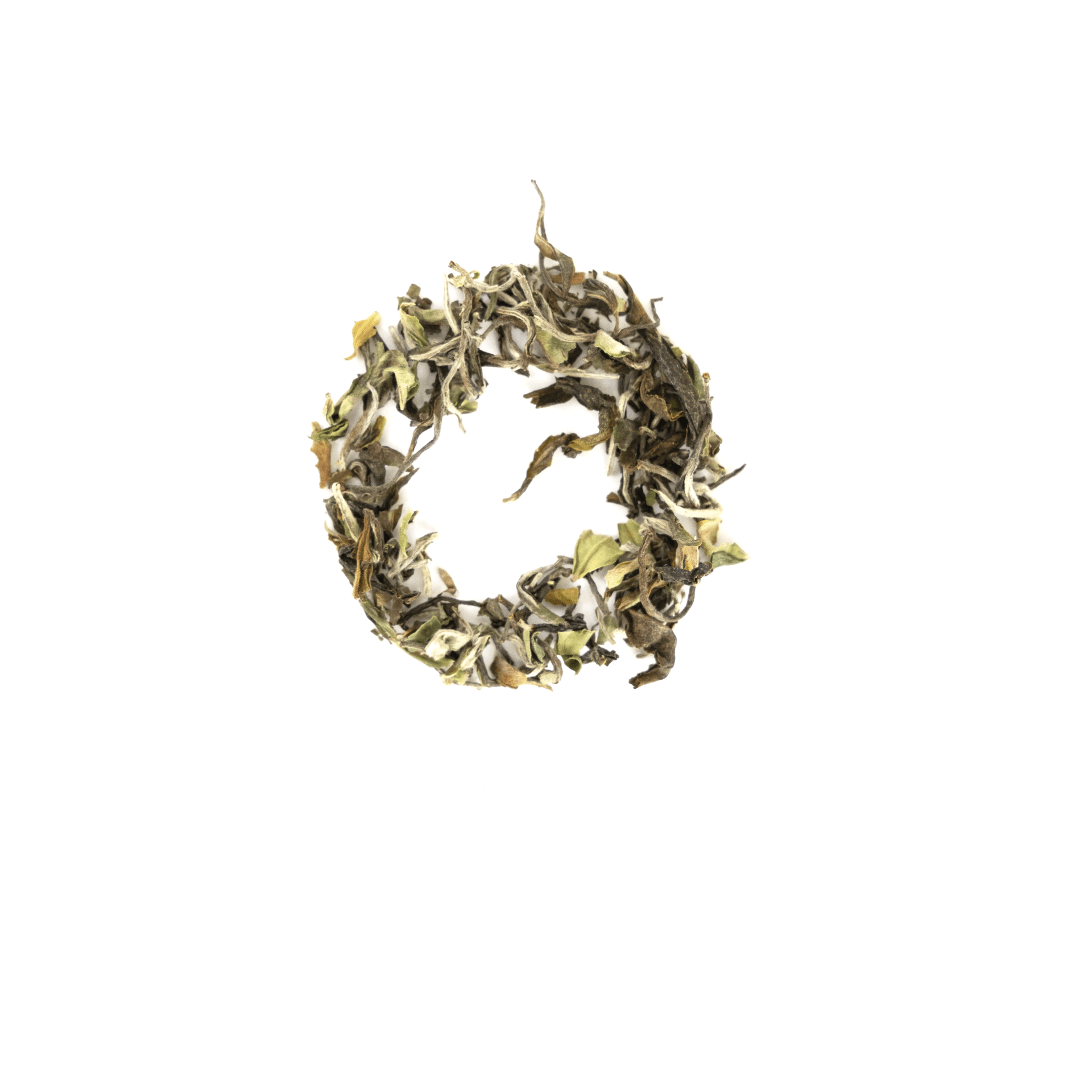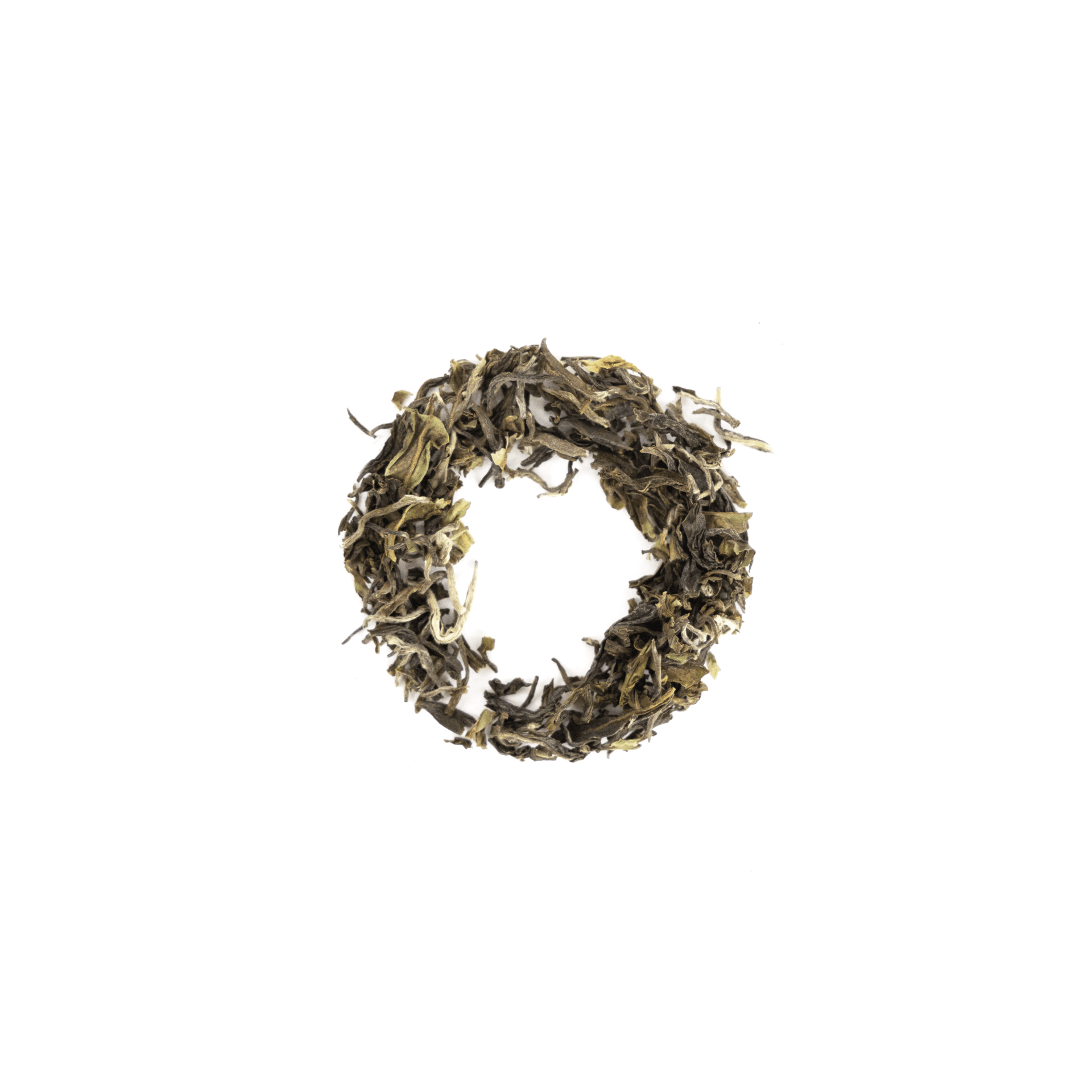
At Margaret's Hope Estate, in the hills of Darjeeling in West Bengal, the leaf is picked and graded closely enough that the tin's label spells out exactly what's inside: FTGFOP1, Finest Tippy Golden Flowery Orange Pekoe 1, a mark of careful sorting and a generous share of golden tips. The estate's name carries a story. An English planter called Bagdon founded it and named it for his daughter Margaret, who is said to have fallen for the Himalayan views and the tea gardens on a visit there; when she died on the journey home, her grieving father renamed the estate in her memory. It changed hands more than once in the decades that followed, part of a Darjeeling tea tradition stretching back to 1864. The real turning point came in 1927, when Indian planter Bagchi took over, modernising the estate's infrastructure and lifting both the quality and the volume of what it produced.
In the cup, muscatel leads: a grapey sweetness with a trace of spice that Darjeeling is known for. Underneath sit floral top notes and a hint of orange, with stone fruit — peach and apricot — adding a gentle sweetness, and something like honeyed date lingering into the finish. The body sits in the middle ground, neither light nor heavy, with enough briskness and light astringency to leave the palate clean and pleasantly dry. Drunk plain, the tea shows its full range; milk or a little sugar softens the edges and draws the sweetness forward.
To brew it, use one teaspoon of leaf for every 240ml of water heated to about 90°C, just short of a boil, since Darjeeling's delicate character doesn't hold up well to full heat. Steep for three to five minutes: shorter for something lighter, longer for more body, then strain promptly so the leaves don't sit and over-infuse.