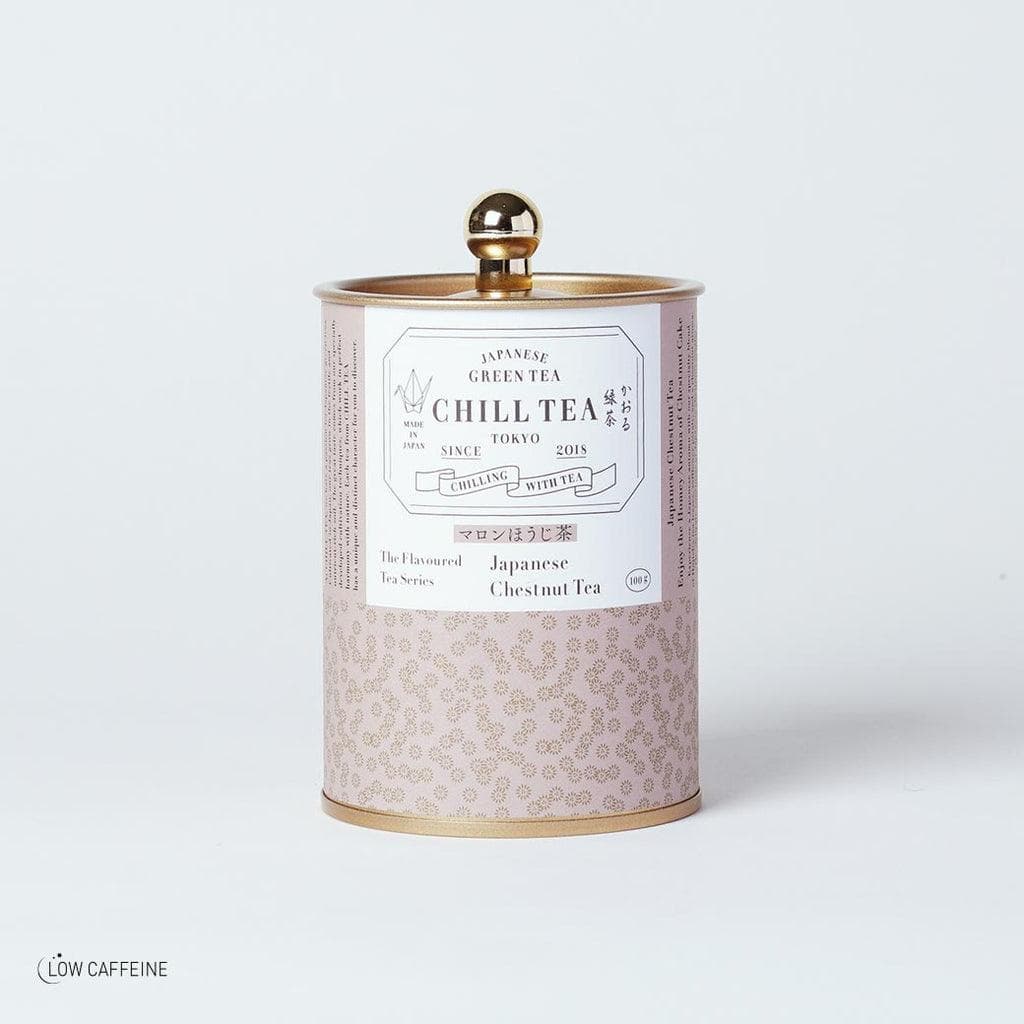
"Hojicha" is the name most people know this tea by, and it's the roasting that sets it apart from other Japanese greens. The leaves start out like any sencha, steamed right after harvest to stop oxidation and lock in aroma, but then they're roasted in a porcelain pot over charcoal at high heat before being cooled and packaged. That roasting step turns the leaves brown, drives off most of the caffeine, and pulls out a toasty sweetness that steamed green teas don't have, even though the leaf underneath is still a genuine green tea.
The tea has roots in 1920s Kyoto, where it began as a way to use up the stems, twigs and leftover leaves from sencha production rather than waste them. What started as thrift became a household staple: hojicha shows up in tea ceremonies across Japan and is drunk by children and elders alike, partly because the roasting leaves so little caffeine behind, with a typical cup holding around 7 to 10mg. Some drinkers also reach for it in the evening or when they want to wind down, since it has traditionally been valued as a calming, gentle cup.
In the mug, expect roasted chestnut and caramel notes with a smooth, sweet finish and none of the grassy edge you get from unroasted green tea. The catechins that give green tea its antioxidant reputation are still present, even if roasting mellows the flavour considerably. This batch is packed fresh at Tea & Coffee's factory in Kent.
To brew it, use a Kyusu if you have one, or any small to medium teapot will do. About a tablespoon, roughly 5 grams, of leaf per 200ml of water is the usual ratio, with water heated just under boiling, around 80 to 90 degrees Celsius. Steep for about 30 seconds, then strain into cups; the liquor should come out a warm amber colour. The leaves take well to re-steeping several times, with each subsequent pot shifting slightly in character rather than just fading out.