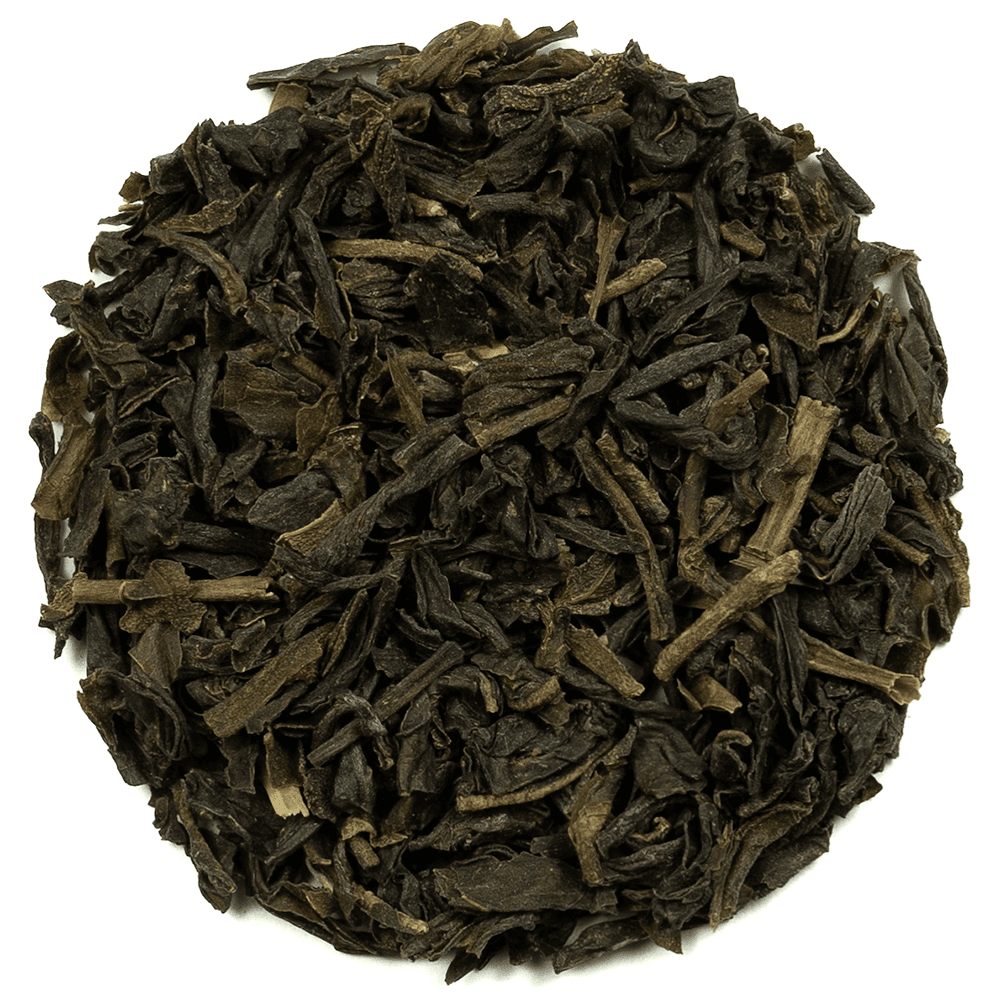
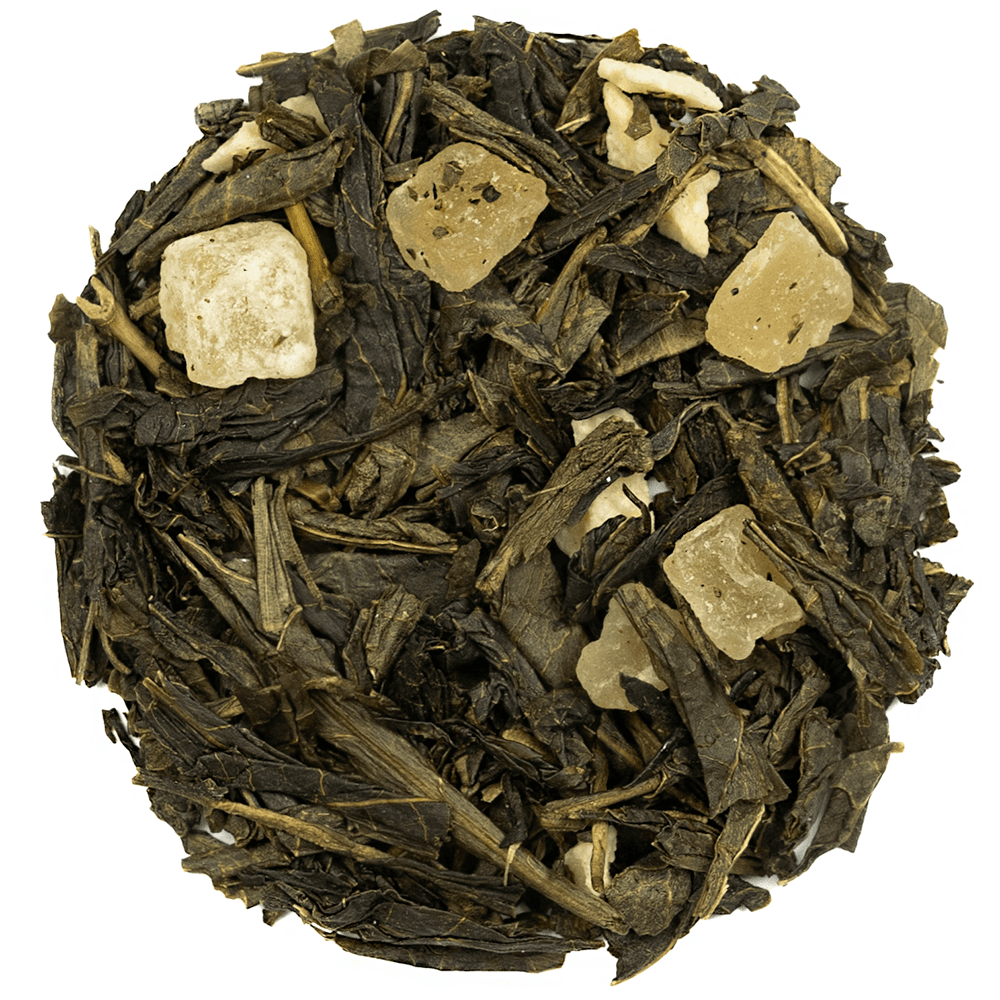
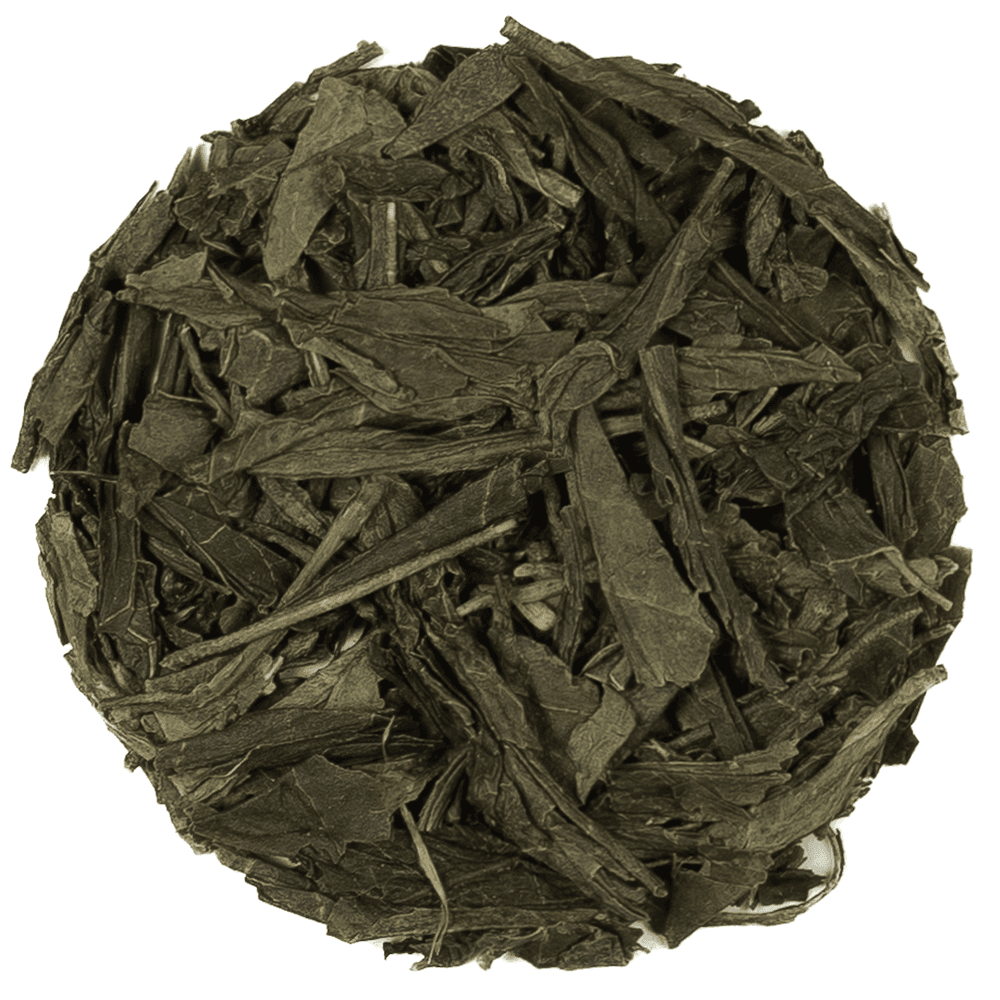
Sencha is Japan's everyday green tea, the one most households reach for, and this batch shows why: steamed rather than pan-fired, so the leaf keeps a vivid green color and a flavor that leans toward fresh-cut grass and vegetal notes rather than the toastier character you get from Chinese greens. The steaming halts oxidation almost immediately after picking, which is what preserves both the color and the brisk, grassy edge. Underneath that there's a gentle sweetness — honey, a touch of lemon brightness — and a savory, umami finish that lingers after you swallow. Herbal notes round it out, so the overall impression is layered rather than one-note: grassy up front, sweet in the middle, savory on the way out.
The tea traces back to techniques developed near Kyoto's Uji region in the 18th century, credited to Nagatani Soen, who worked out the steam-then-roll process that's still standard for sencha today: leaves are picked young in early spring, steamed quickly, then dried and rolled to set the shape and lock in flavor. That process is also why the leaves stay bright rather than darkening the way oxidized teas do.
Brew it around 90°C rather than boiling water, which would push the grassy notes into bitterness. Two minutes is a reasonable steep time — shorter if you want something milder, since sencha's flavor develops fast and can turn sharp if left too long. A teaspoon or two of loose leaf per cup is standard. It holds up well plain, and a little honey or a squeeze of lemon plays nicely with the tasting notes already in the cup rather than fighting them. Like most green teas, it carries moderate caffeine — less than black or oolong — and has long been drunk in Japan as a daily, unfussy cup rather than an occasion tea, which fits its brisk, clean character.