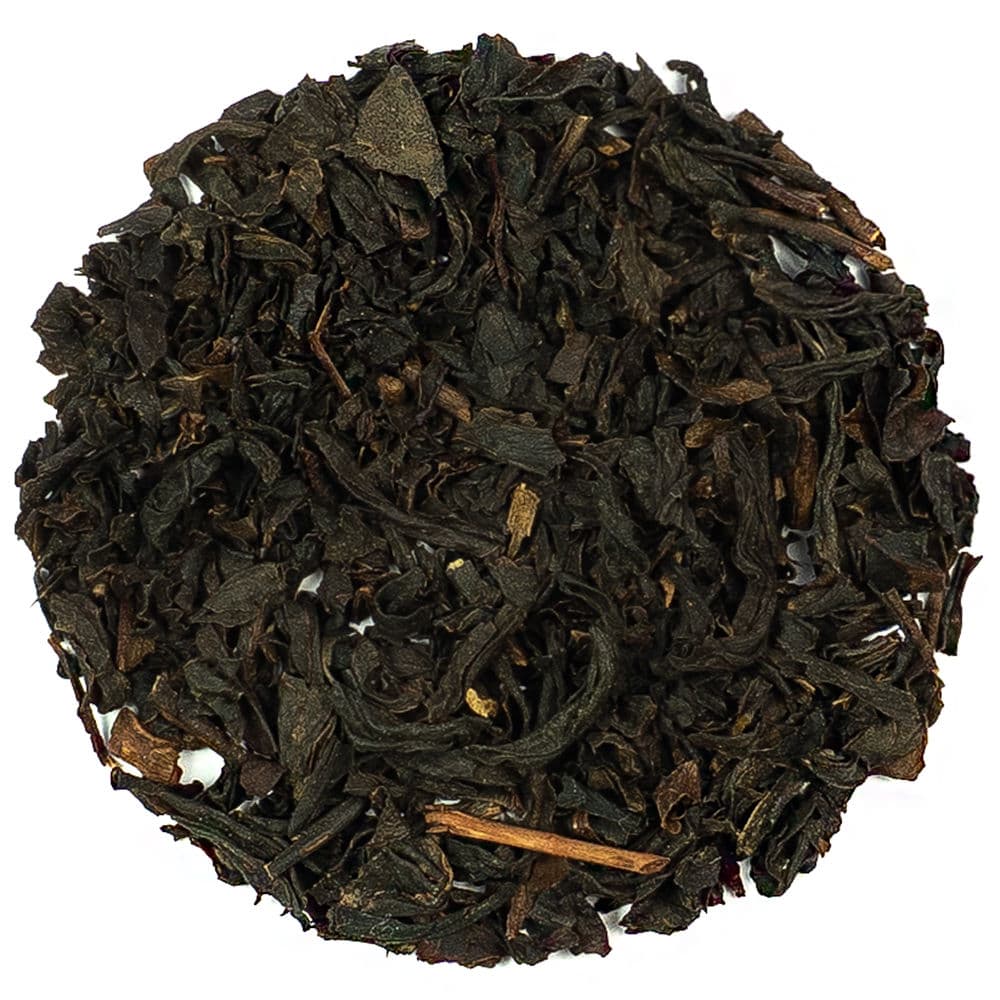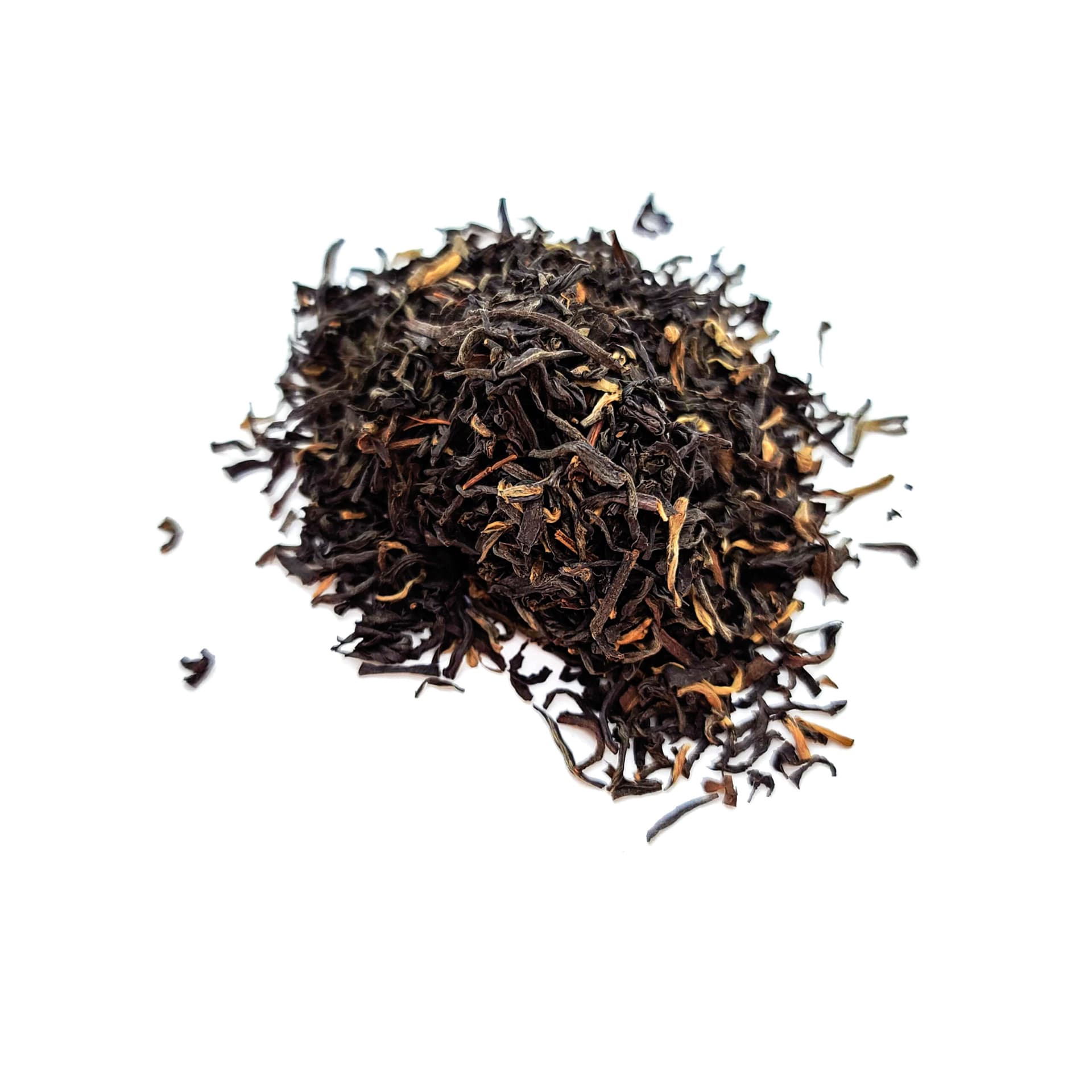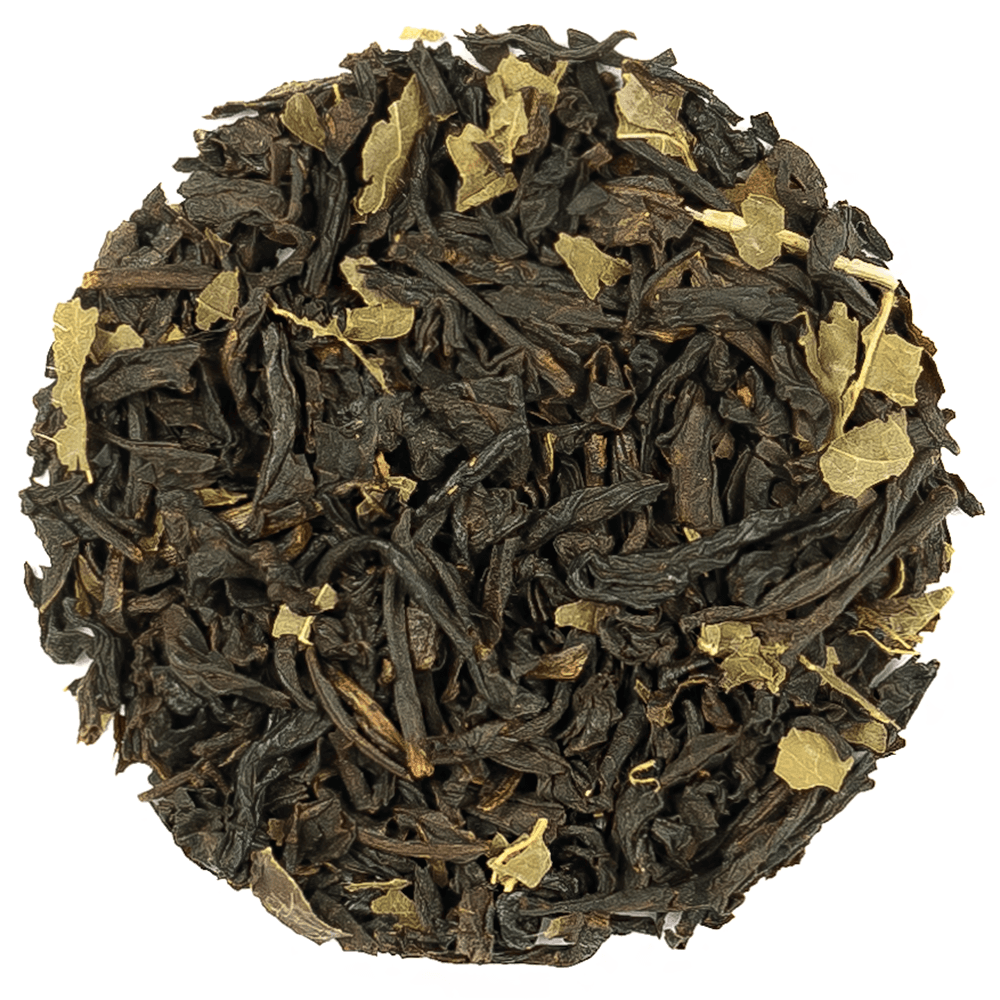
Liquorice root has been finding its way into tea blends for centuries, ever since blenders started experimenting with adding herbs and spices to Black Tea not long after tea itself was discovered. This particular pairing is a newer arrival, but liquorice root has a long history on its own well before it met tea leaves. It comes from Glycyrrhiza glabra, whose Greek name translates roughly to "sweet root," and cultures from the Babylonians and Romans to the Chinese and the Hindu Brahmans of India have valued it. Cheyenne communities in North America used it for gastrointestinal complaints, the Dakota and Pawnee applied it to the gums for toothaches, and the Navajo brewed it as a herbal tea and regarded it as a mild cathartic.
In the cup, this blend leans bold and full-bodied, built on China Black Tea with mallow flowers and natural liquorice flavouring layered in. Expect a coppery, dark liquor and a taste that runs floral and lemony up front with date, herb and spice notes underneath, finishing thick and sweet with a herbaceous edge. Black tea's naturally strong base gives the liquorice room to come through rather than getting lost.
Brew it with freshly boiled water and let it steep for three to five minutes. A slice of lemon can bring out a bitter-sweet contrast if that appeals, but it holds up well served plain, without milk, letting the liquorice and black tea character stay front and centre.