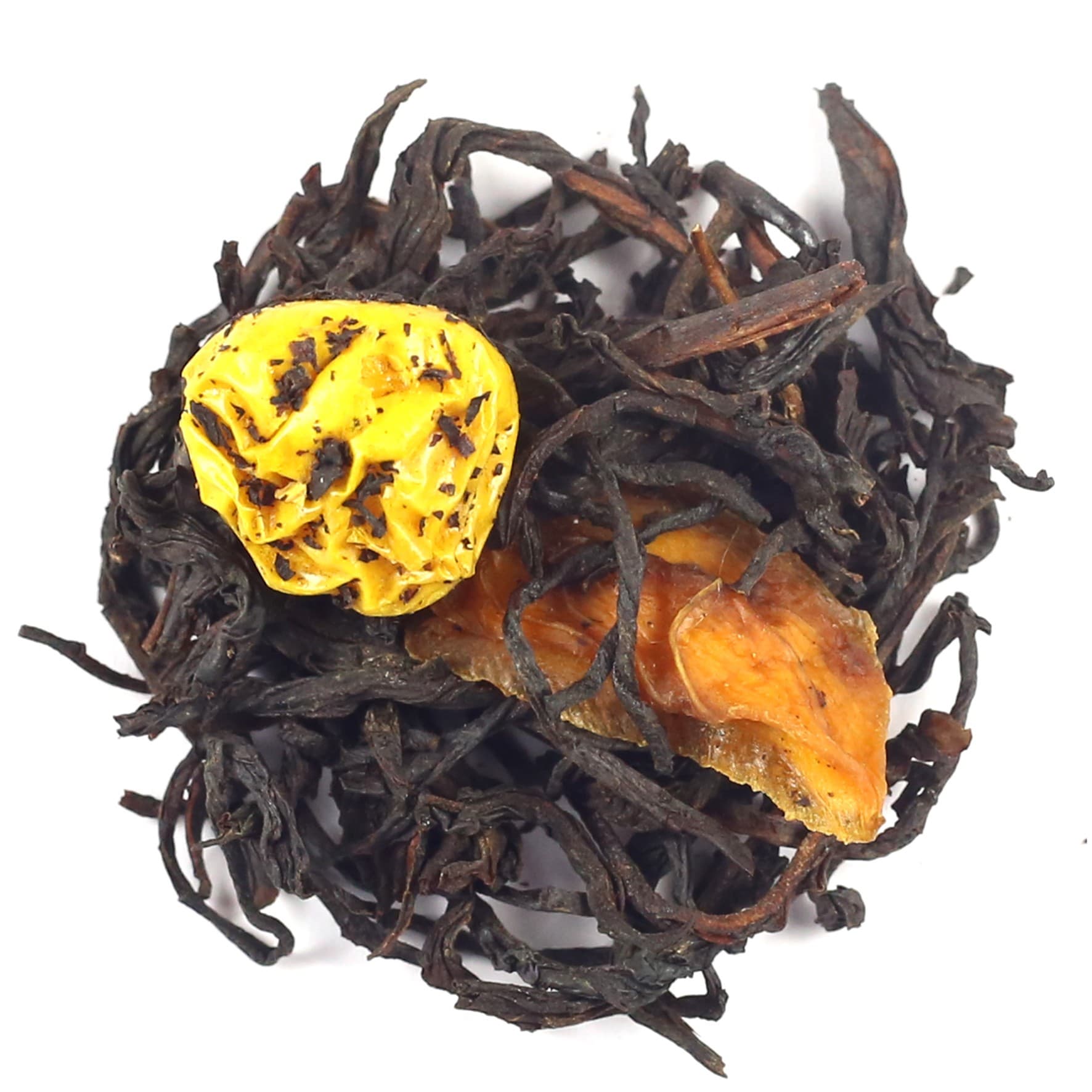
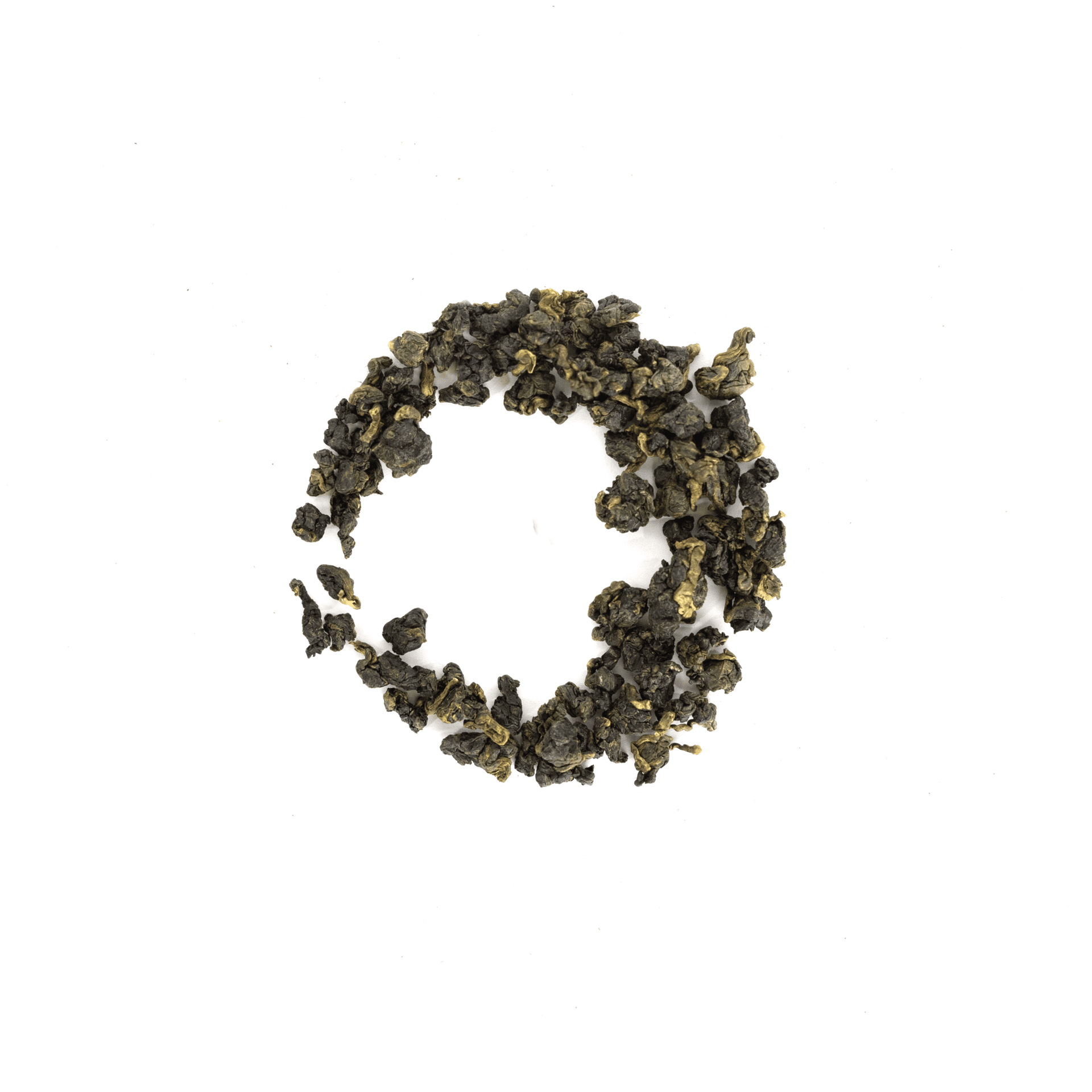
Despite the name, no milk touches this oolong. The creamy, caramel character comes from Jin Xuan, a cultivar of Camellia sinensis first bred in Taiwan in the 1980s. Workers pick the leaves and bake them lightly, a process that draws out a natural sweetness people often mistake for dairy — useful to know if you're avoiding lactose, since there's none here. This blend pairs that base with white tea and a touch of added caramel flavour, giving a cup that reads sweet and creamy from the first sip to the last, with notes that run toward caramel, cream, dates, and a faint coffee-like depth as it cools, alongside the gentle fermented character typical of oolong.
Taiwanese oolong has a longer history behind it than this cultivar alone. Tea production on the island, once known as Formosa, stretches back to the 19th century, and the British trader John Dodd is credited with helping bring Formosa tea onto the world market in 1866. Jin Xuan's development roughly a century later added a new, milkier branch to that tradition.
This batch comes from Tea & Coffee, which has been packing its teas by hand to order for more than forty years.
To brew it, use loose leaf in an infuser or filter, with water cooled to somewhere between 80°C and 90°C rather than a full boil. Steep for two to three minutes — any longer and the cup turns bitter. It's best drunk on its own, without milk or sweetener, since the tea already supplies both notes.
Oolongs like this one have long been drunk as an everyday source of antioxidants, credited in traditional use with easing digestion, steadying energy, and supporting general wellbeing, and some drinkers reach for it as a calmer alternative to coffee. None of that makes it medicine. It's simply a good-tasting cup with an unusual, well-documented origin.