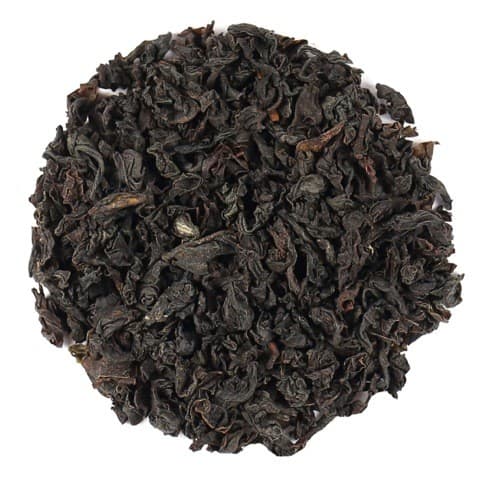
Call it the accidental tea: nobody set out to invent Russian Caravan, and yet the name stuck to a blend that never actually touched Russian soil. The leaves are from China, alongside Assam and Nilgiri teas from India and Dimbula tea from Sri Lanka, but the character comes from a journey — the old Sino-Russian trade route, established in the 17th century, along which merchants carried black tea some 10,000 kilometres from Imperial China to Tsarist Russia over roughly sixteen months. Traders bartered furs for the leaves, which spent that time exposed to the cold, dry air of Siberia and to smoke from the caravan's campfires. What arrived in Russia was a stronger, smokier tea than anything grown for a domestic market, and it suited a country used to hard winters well enough that the style became its own category rather than a passing curiosity.
In the cup this blend leans into that smokiness, though it stays milder and rounder than a straight Lapsang Souchong, with woody, coffee-like notes underneath and a smooth, slightly sweet finish. Expect a light, coppery liquor rather than a dark one. Lemon and honeyed date sweetness show up alongside the smoke, and milk suits it too if you'd rather a softer cup, though it holds up fine served plain.
Traditionalists brew this style in a samovar, the metal tea urns made from iron, copper, brass or bronze that were common across Russia from the 18th through the early 20th century, no two ever quite alike. For an everyday pot, use freshly boiled water around 80°C and let it steep for three to four minutes.