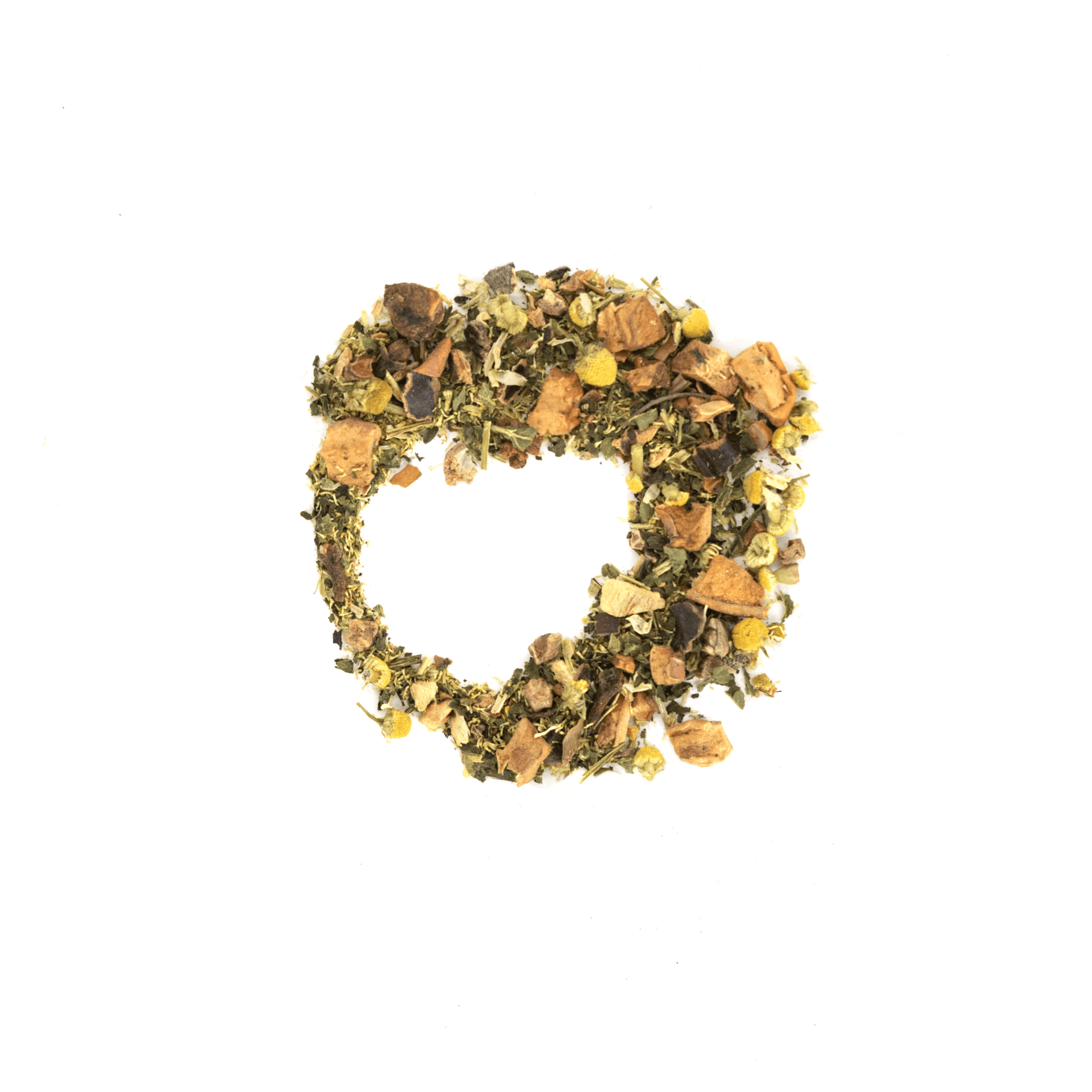
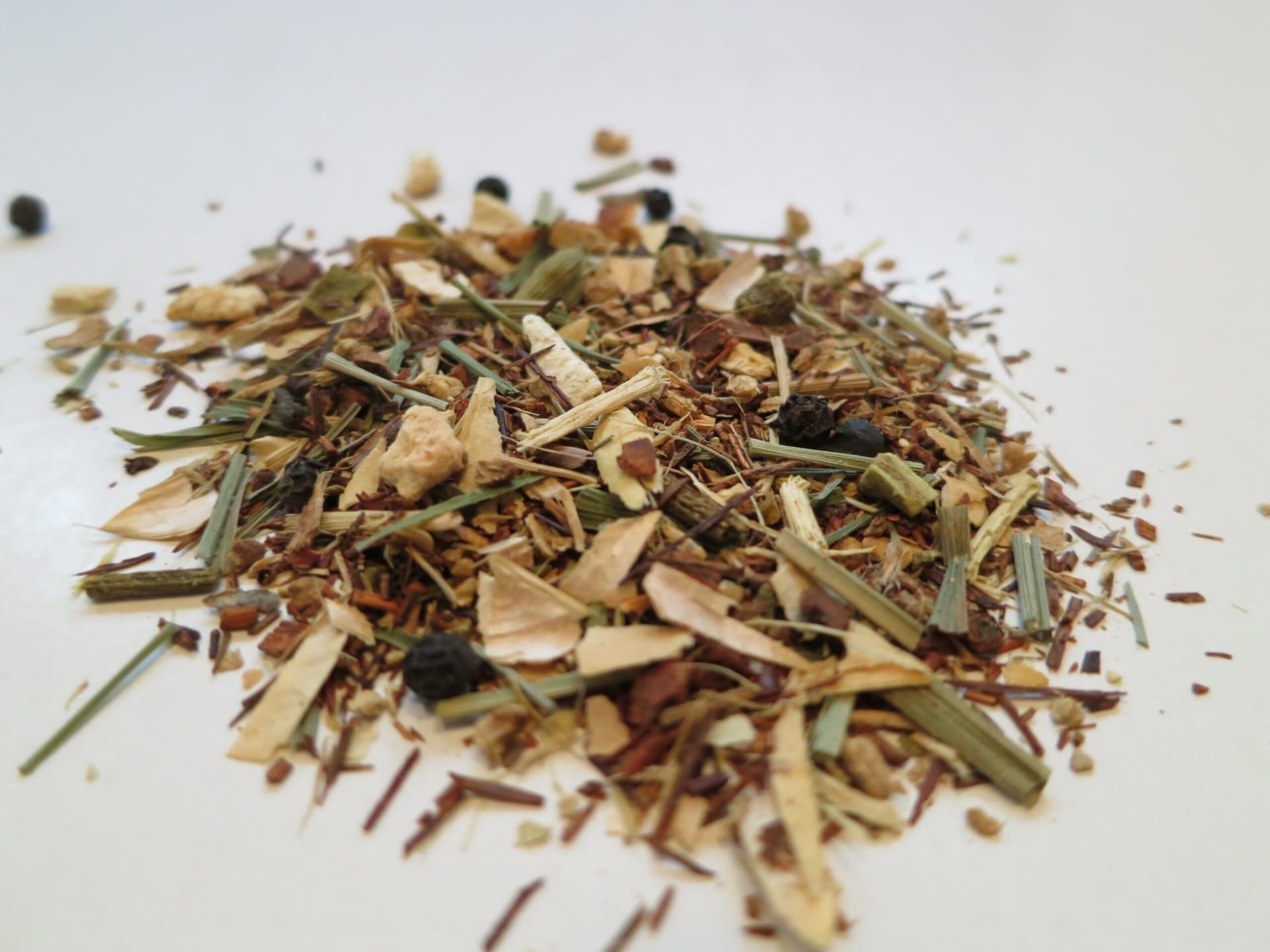
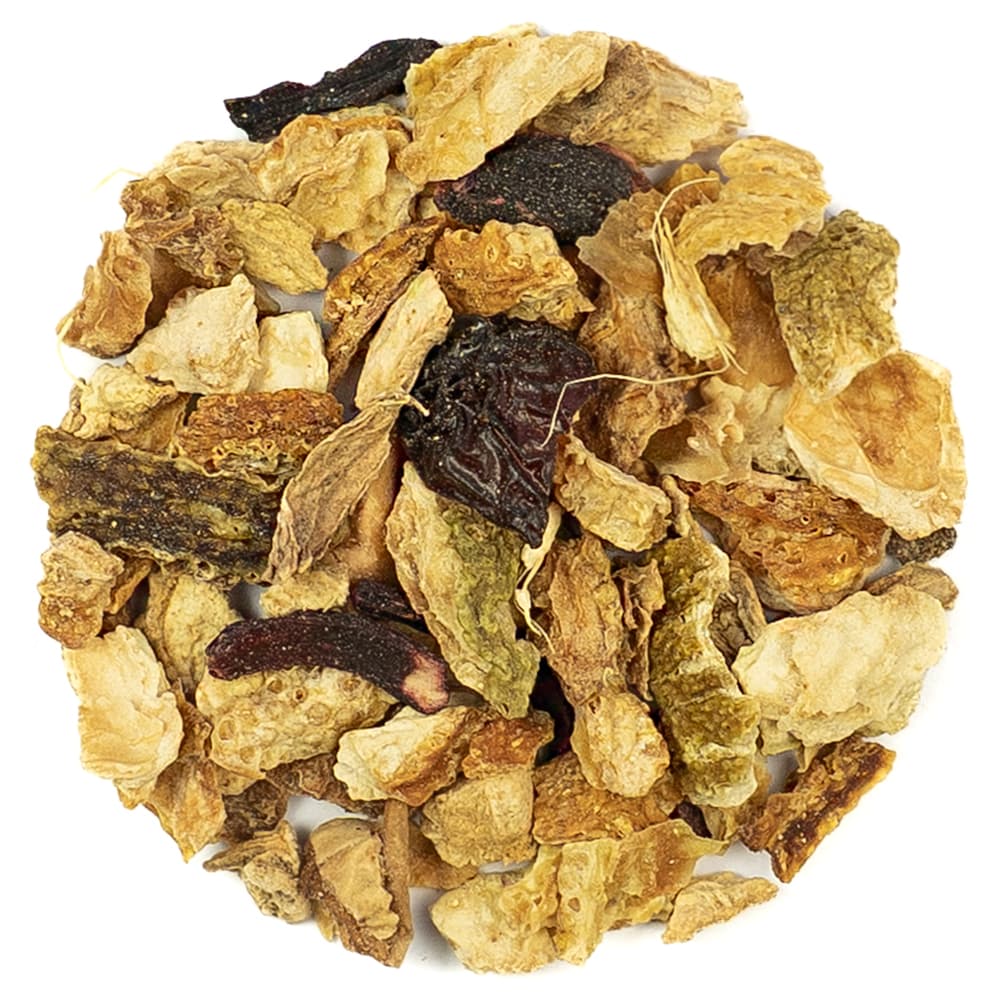
Turmeric root and ginger root, steeped together, make a cup that's bold and spicy with an earthy sweetness underneath — the kind of tea that fills a room before it fills a cup. Both roots come from the same plant family and trace back to Southeast Asia, though their paths diverged from there. Ginger no longer grows wild; it's cultivated commercially now, mostly in Jamaica, Fiji, and India, and it's been known in the West for more than two thousand years. Turmeric stayed closer to home, still widespread across a range running from India to Hawaii, and it's especially associated with Okinawa, where it's a fixture of daily life.
The history behind each root runs deep. Ginger held religious significance for the Austronesian people, who drank it as an elixir believed to ward off evil spirits and used it in healing practices. By the 13th and 14th centuries, demand had pushed the price of a single pound of ginger above that of a sheep. Turmeric's story stretches back even further — traces of it, alongside ginger and garlic, were found in pottery near New Delhi dating to around 2500 BCE. By 500 BCE it had become central to Ayurveda, the Indian system of natural healing whose name translates from Sanskrit as "science of life."
Turmeric and ginger have long been drunk together for their warming, fortifying qualities, and this blend continues that tradition rather than making any medical claim. Lemon, honey, cinnamon, and other spices are common additions once the tea is strained, and they round out the earthy, thick body of the cup. It's naturally caffeine-free, so it works as easily in the evening as it does first thing in the morning, and it holds up served hot or cold.
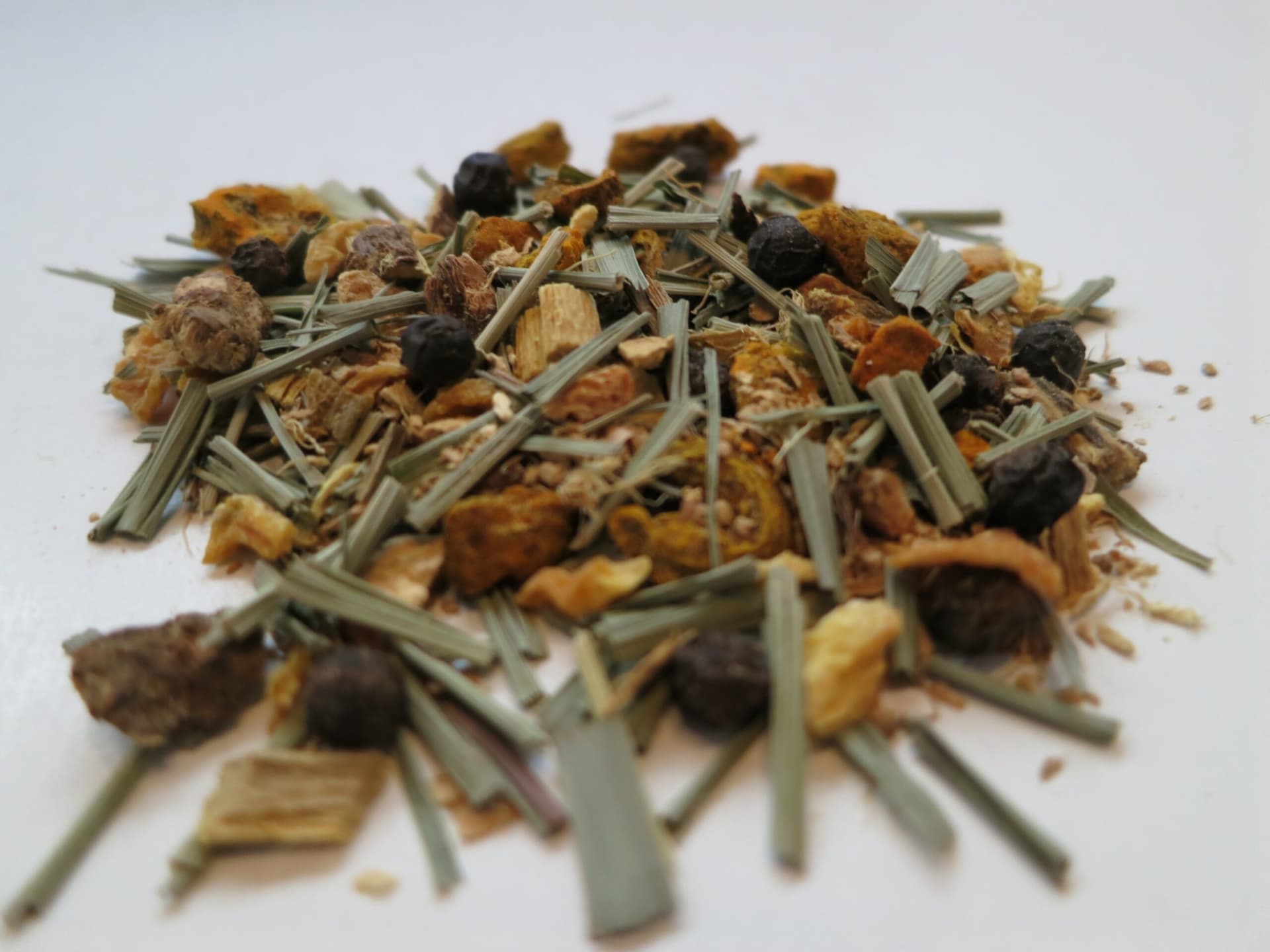
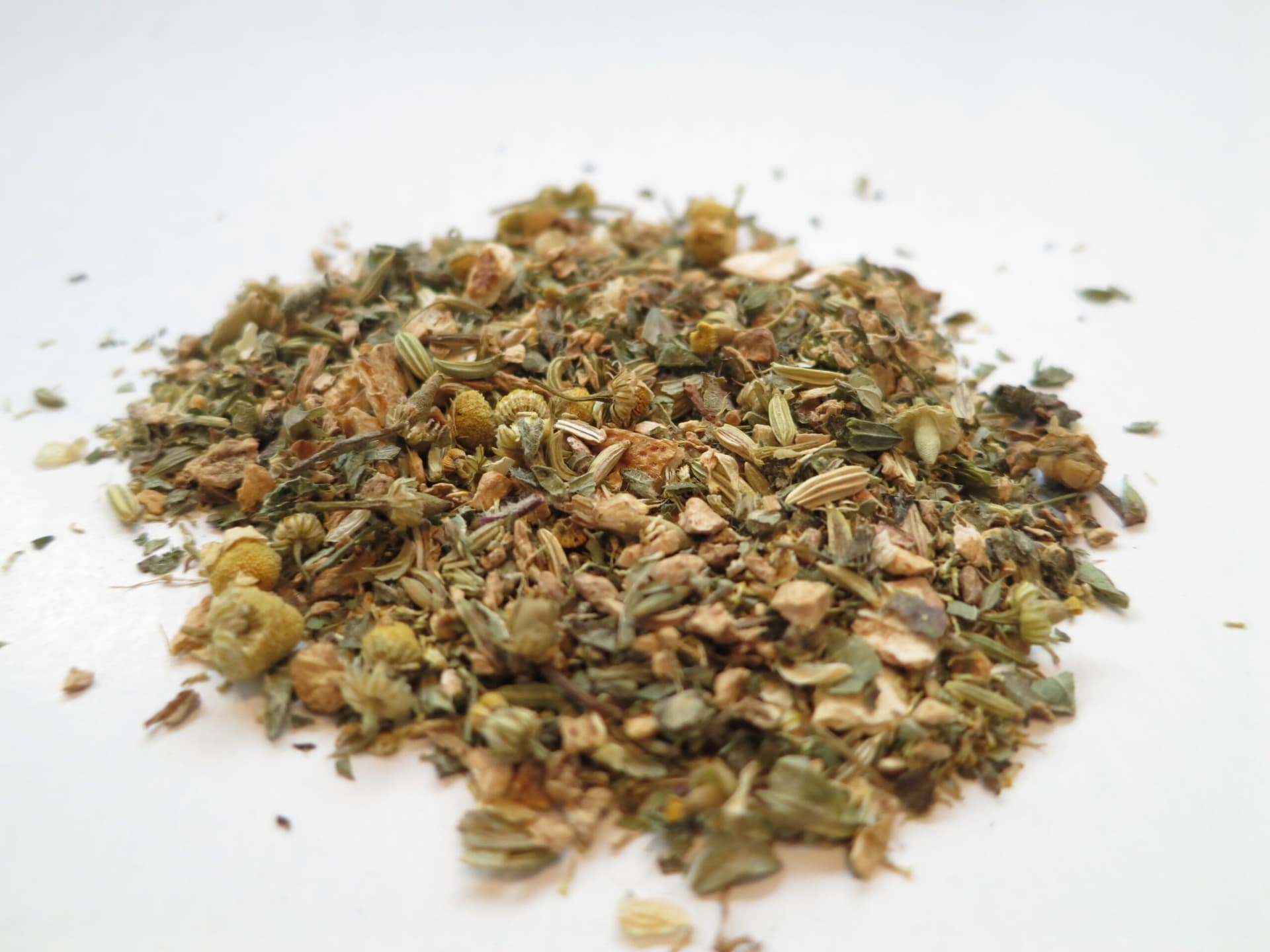
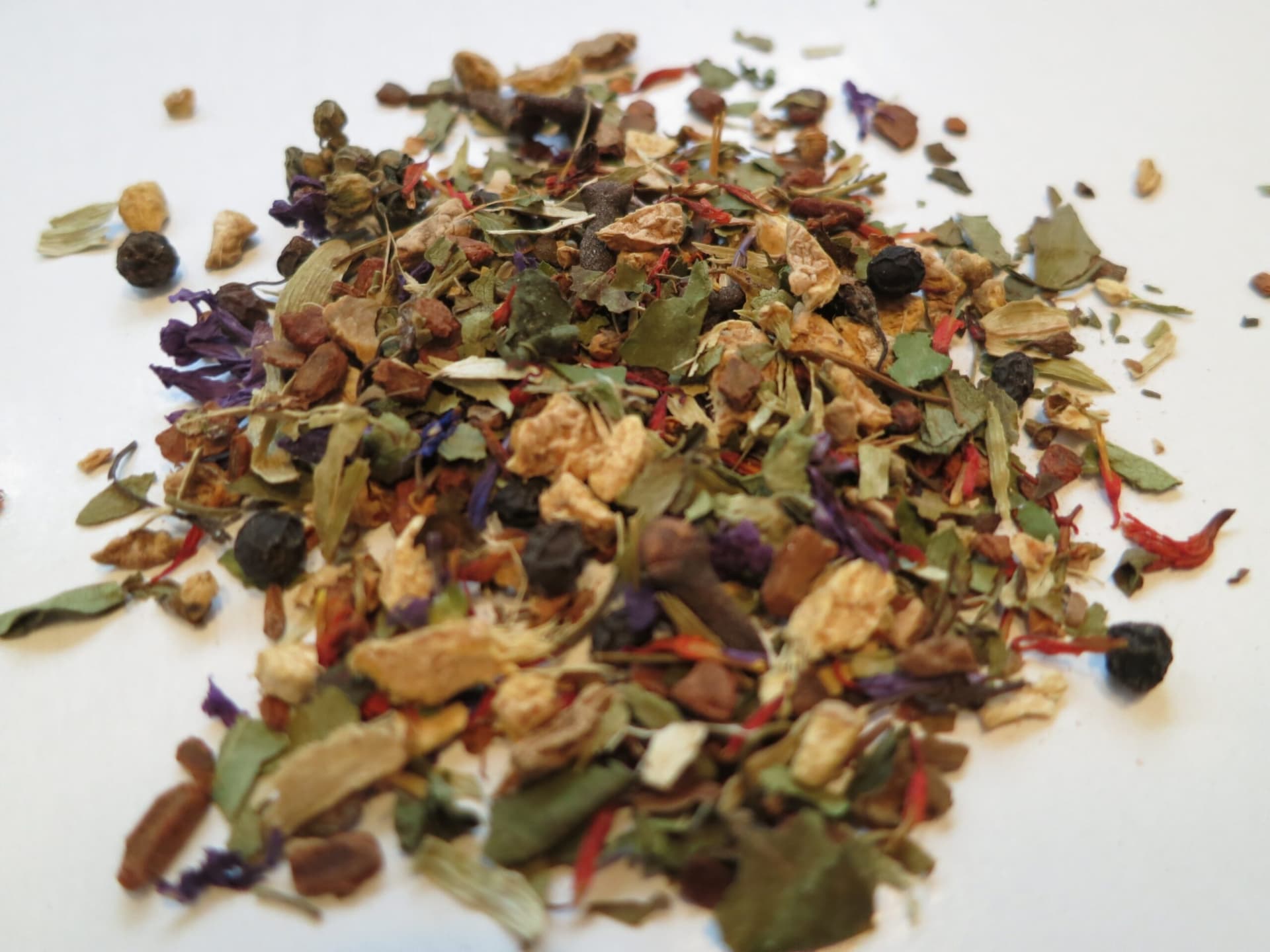
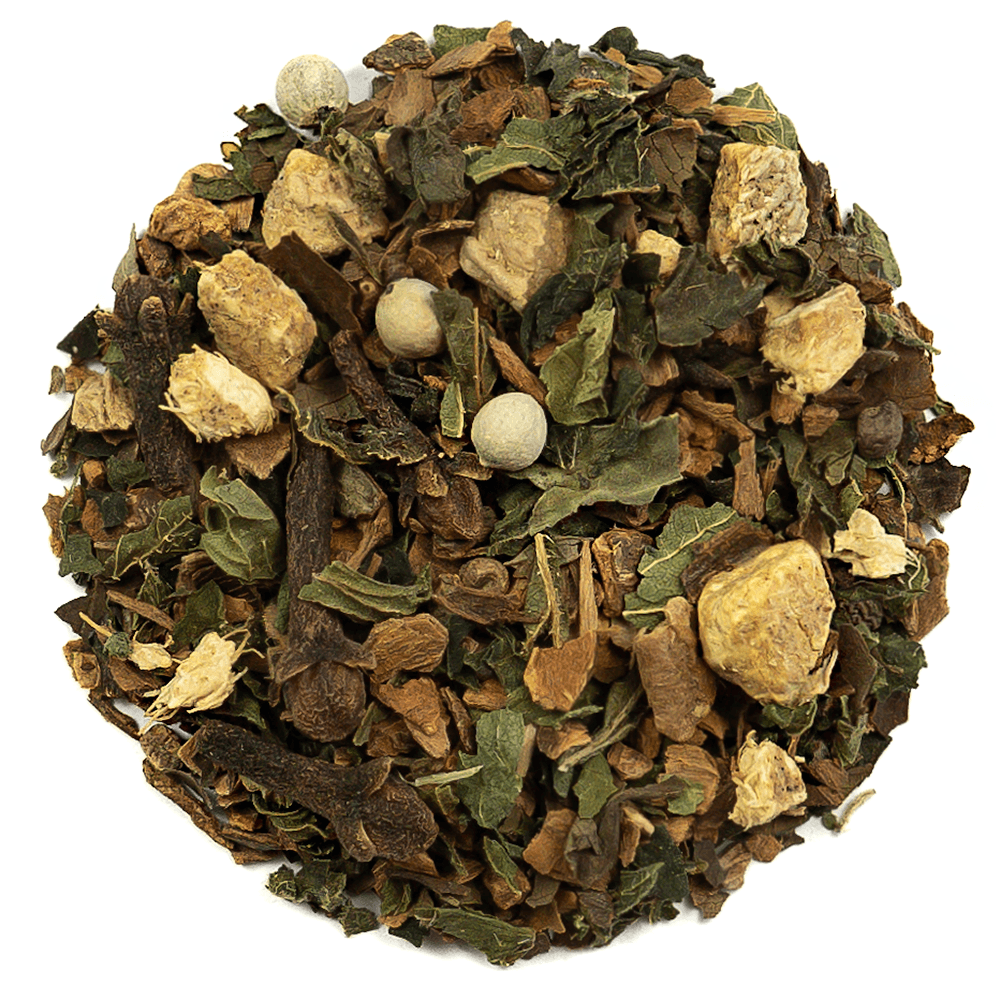
To brew it, pour boiling water over the root pieces and let them steep for about ten minutes — long enough for the spice and earthiness to fully come through — then strain into a cup. Tea & Coffee packages the ginger and turmeric root pieces as a loose blend meant for a strainer or infuser rather than a bag, which gives the roots room to open up during the longer steep this style of tea needs.