Black tea from Yunnan Province carries a bit of history most drinkers never hear about: the region spent decades known chiefly for green tea, right up until the 1930s. The Sino-Japanese War of 1937 to 1945 pushed China's south-eastern tea gardens into war zones, and growers further west in Yunnan, away from the fighting, stepped in to fill the gap left behind. Black tea production there hasn't slowed since, and Yunnan is now as associated with bold black teas as it once was with green ones.
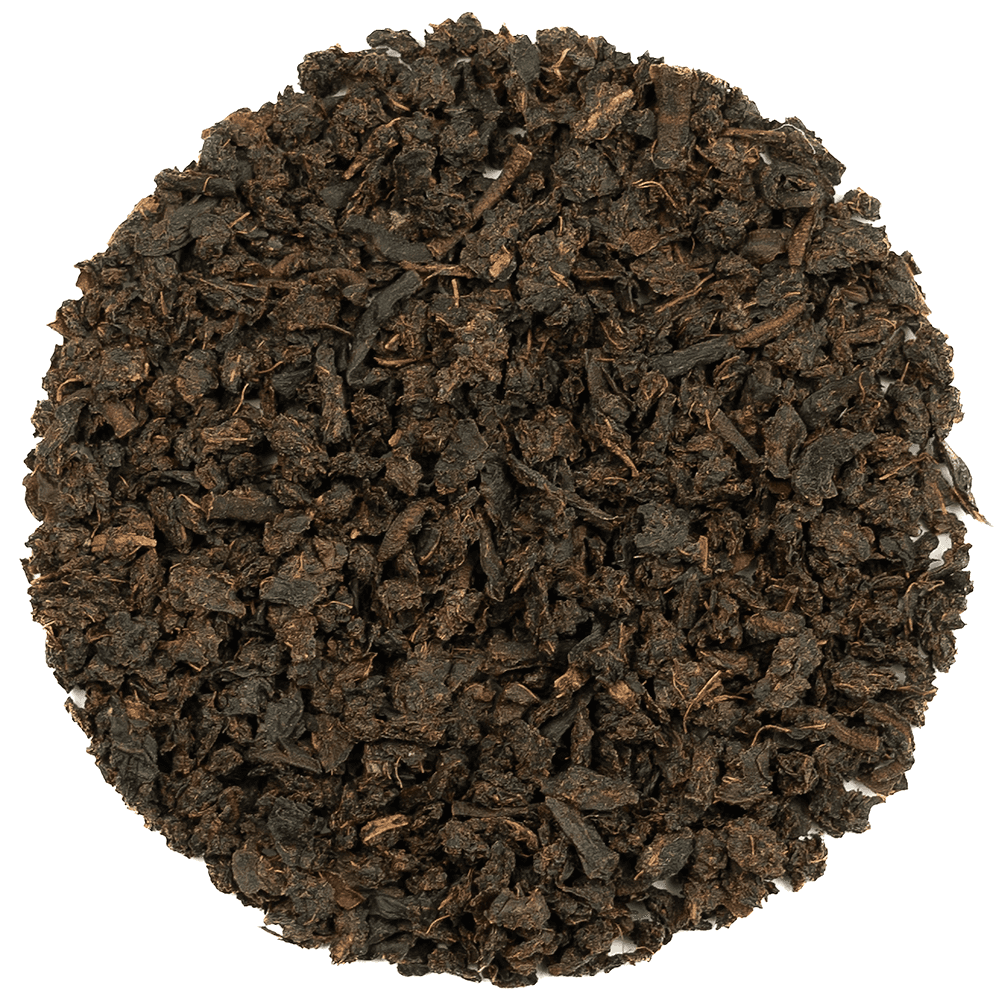
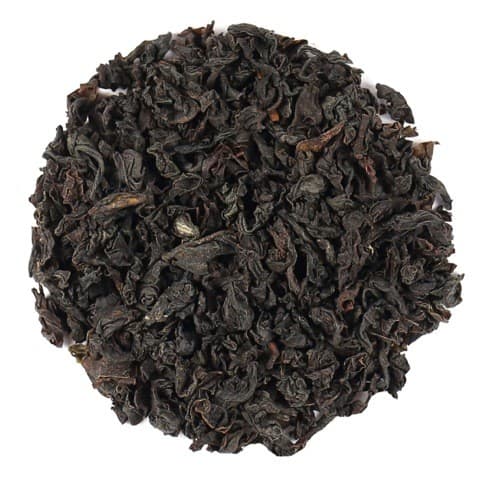
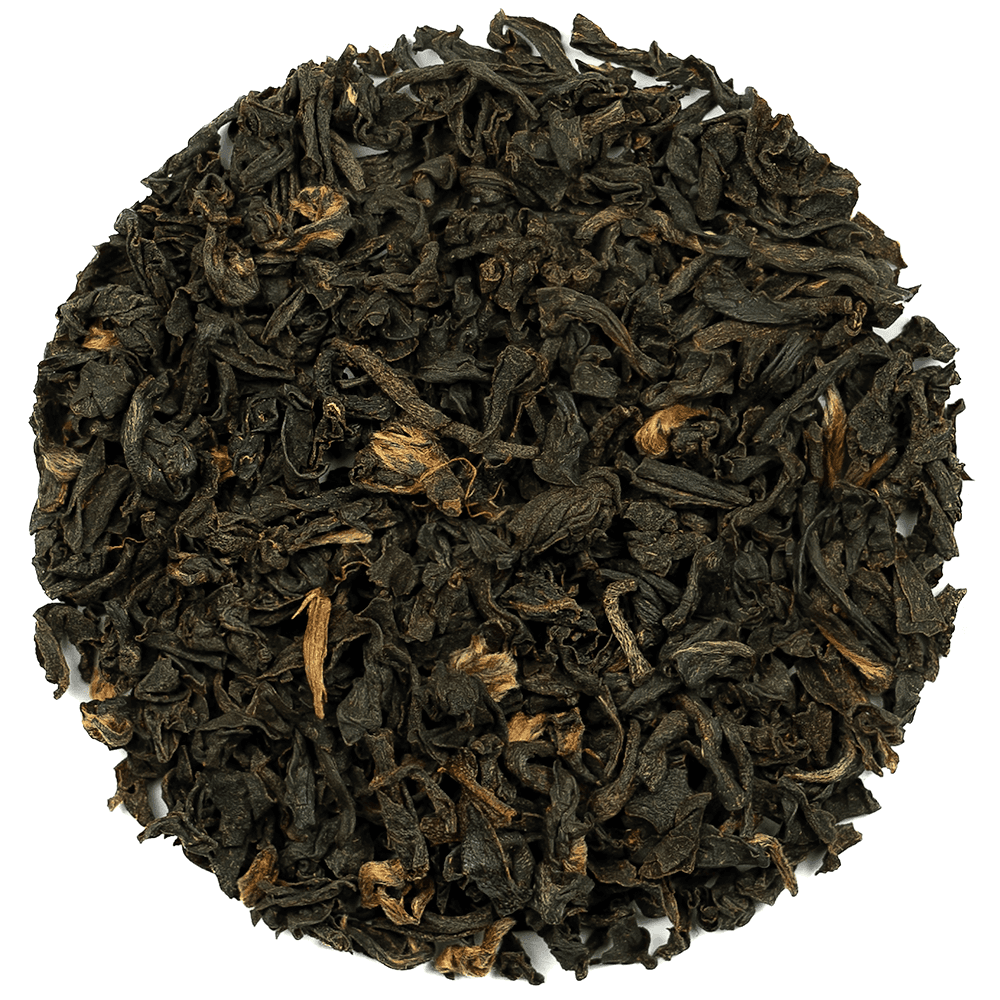
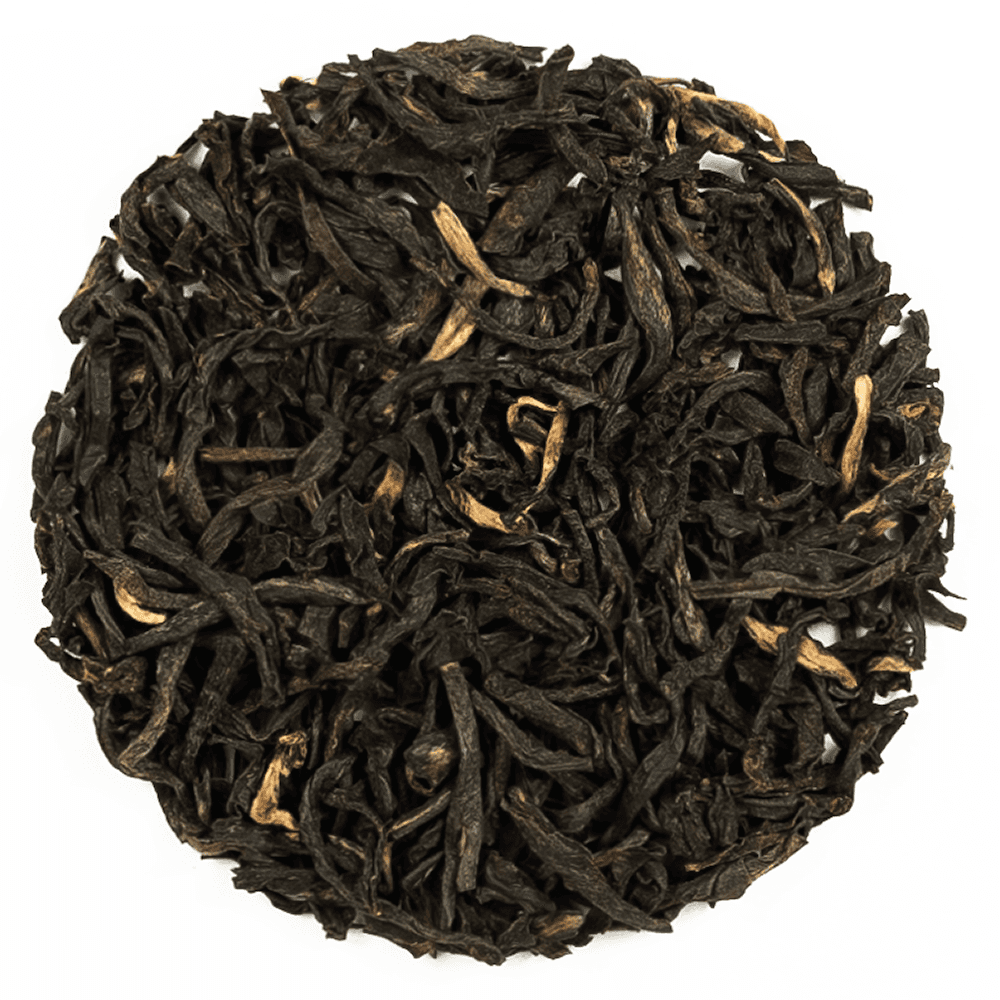
Ying Ming Yunnan Tea comes from high in those mountains, picked by hand between March and April when conditions are right for the leaf. It's graded Flowery Orange Pekoe, which means the hand-crafted leaves carry plenty of golden tips through them. The cup itself is full-bodied from the first sip to the last, with a bold sweetness and a long, satisfying aftertaste. Expect notes of lemon and orange running alongside honey, plus deeper touches of milk and coffee, and a texture on the tongue that leans thick rather than brisk.
Being loose leaf, it takes well to milk, sugar, honey or a slice of lemon if that's how you like your black tea, though it holds its own served plain too. An 8-oz cup carries roughly 45mg of caffeine, enough for a steady lift in the morning or a mid-afternoon pick-me-up without the intensity of a stronger brew. It's packed fresh to order by Tea & Coffee.
To brew it, measure about five grams of loose leaf into a filter or infuser, set it in a cup, and pour over water just off the boil at 100°C. Give it around four minutes to steep before pulling the leaves out, longer if you prefer a stronger cup. Black teas of this kind have long been valued in Chinese tradition for the vitamins and antioxidants they carry, more a matter of everyday habit passed down over generations than any specific remedy.