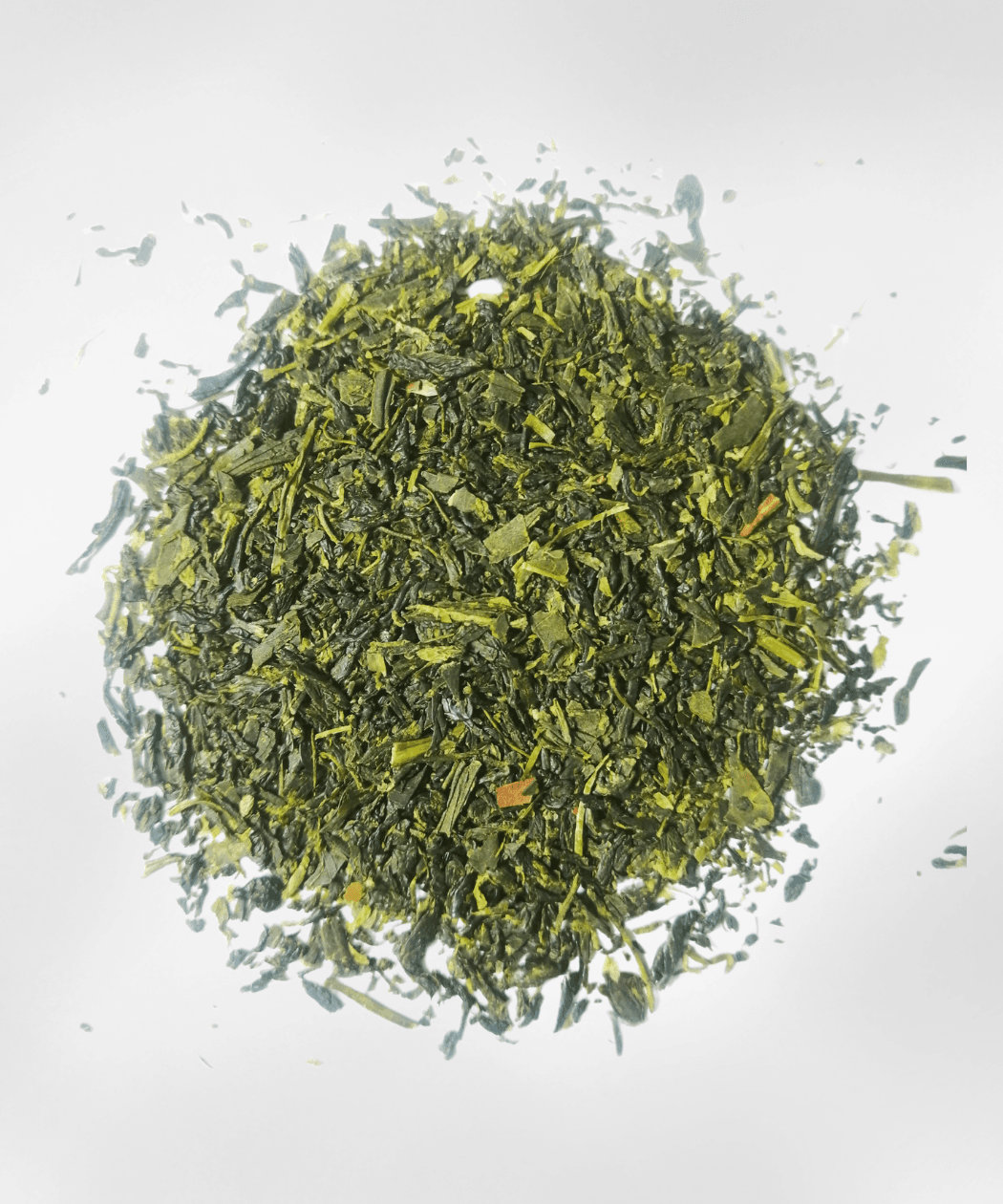
Smooth, honeyed, and free of bitterness — a quality most young pu-erh does not have. Nectar Protocol '24 is a sheng pu-erh (生普洱) made from huang pian (黄片), the golden leaves that producers sort out for their extra sweetness and soft body. Pressed into a cake from trees at 1,750 meters in Jinggu, Yunnan, spring 2024. Tasting Notes Think warm honey with soft floral sweetness underneath, like stone-fruit leather with a gentler finish. The liquor pours pale gold with a clean, grain-like scent, and first steeps land round and smooth with no bitterness before stone fruit and a stretching sweetness take over. Huang pian are the leaves producers sort out for sweetness — this cake is built entirely from what others set aside. Origin Jinggu sits in Yunnan's Pu'er prefecture, where tea trees grow along mountain ridges above 1,700 meters. Cold nights at that altitude slow the leaves and concentrate sugars, which is why high-elevation pu-erh from southern China tends to drink sweeter than lowland versions. This April 2024 lot comes from the Jinggu highlands, picked during the first spring flush when the buds carry the year's most concentrated flavor. Craft After picking, the leaves wither outdoors, then go into a hot wok to stop oxidation — a step called sha qing, or "kill-green." Workers sort the processed leaf (maocha) by grade, setting the larger huang pian aside for their natural sweetness. Those golden leaves go into a steamer and then a press, forming a 200-gram cake from a single spring harvest. Aging Potential Sheng pu-erh changes with age, and huang pian cakes smooth out faster than most because the leaf starts softer. Give this one five to ten years sealed away from strong odors, and the bright green notes will settle into a rounder, deeper sweetness. Drink it now or set a cake aside and revisit in a few years. The 25-gram portion gives you around five sessions, enough to learn what huang pian brings to the cup. A comfortable introduction if raw pu-erh has felt too intense in the past, and a natural bridge into the rest of the sheng pu-erh range. Brewing Brew 5 grams (about a tablespoon) in 100 ml of 95°C water for 30 seconds. Give the cake a quick rinse first: pour hot water over the leaves, discard after five seconds, then start your session. A 25-gram portion brews around five full sessions of ten or more steeps each, so one bag carries you through a couple of weeks. FAQ What is sheng pu-erh? Sheng pu-erh is a raw tea from Yunnan, China. The leaves are sun-dried, pressed into cakes, and left to change over months or years. Young cakes taste bright and green; aged versions mellow into something sweeter and deeper. How does Nectar Protocol compare to Peak Theory? Nectar Protocol is smooth and honeyed with zero bitterness. Peak Theory '23 comes from Da Xue Shan at 2,100 meters and drinks more intense and mineral. Start with Peak Theory for power, start here for ease. Will this tea taste different a year from now? Yes. Sheng pu-erh changes with storage, and huang pian cakes shift faster than most because the mature leaf is already soft. Over the next year or two, the bright green notes will settle and the honey sweetness will deepen. Store the portion sealed and away from strong smells to let it develop. Is young sheng pu-erh bitter? Standard young sheng can be bitter, which is why some drinkers wait for it to age. Huang pian leaves are naturally lower in bitterness because they are more mature when picked. Keep the water at 95°C and steeps short for zero harsh edge.


![Flower Blooming Teaballs [Fancy Red]](/_next/image?url=https%3A%2F%2Fcdn.shopify.com%2Fs%2Ffiles%2F1%2F0623%2F4646%2F1389%2Ffiles%2F33BE4616-6F72-44D2-99D7-482ABDD9E57A.jpg%3Fv%3D1736834065&w=1920&q=75)