Teatico logoTeatico
Thé vert
Bio

SAKURAJIMA SPRING | Kirishima Asanoka

Inconnu
68
thés
Acheter ce thé
5 offres
Meilleur choix
O5 Rare Tea Bar
$400Unité : 1 kg
Voir
O5 Rare Tea Bar
$50Unité : 80g
Voir
O5 Rare Tea Bar
$27Unité : 40g
Voir
O5 Rare Tea Bar
$27Unité : 40g
Voir
Page 1 sur 2
Les offres peuvent changer. Les prix affichés sont les derniers relevés.

Nous pouvons percevoir une commission sur les achats remplissant les conditions requises.

Temps d'infusion
1–3 min
Recommandé
Infusions
2
Recommandé
Température de l'eau
70°C
À ajuster selon votre goût
Dosage de feuilles
Oxydation
Caféine
medium
Habituel
Notes marquantes
VolcaniqueSmoothFloralFruityVegetalSoybean
Aperçu
Best pick • solid green choice from Japan

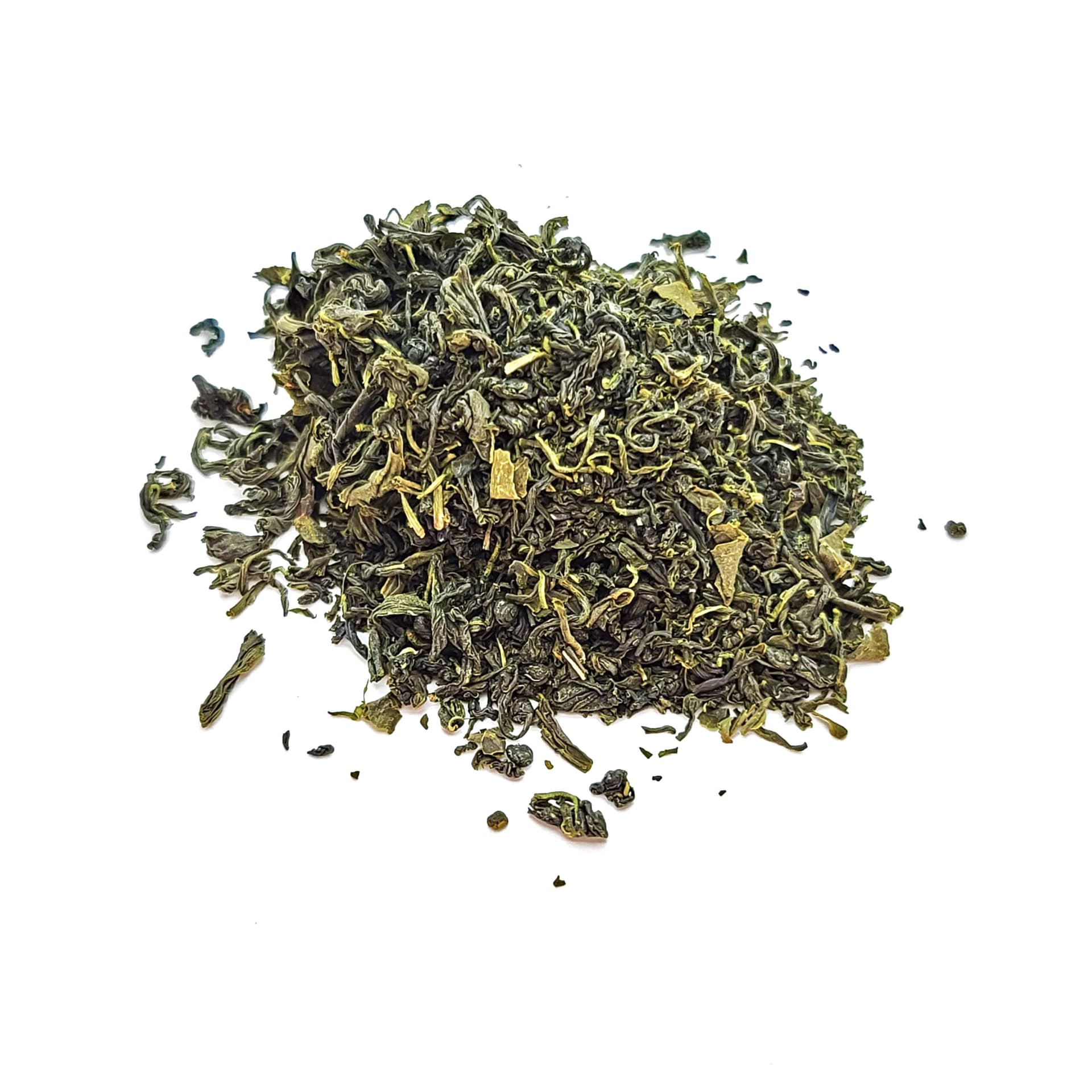
Nurtured by the ashes from Mt. Sakurajima, this beatuful Asanoka was Hayashi San’s favourite cultivar from the 2025. The tasting experience starts with notes of lighly cooked edamame with rich umami followed by notes of green fruit. Please make sure to also smell your cup after drinking. Origin: Kirishima, Kagoshima, Japan GPS: 31.7ºN 130.8ºE Grower: Hayashi Family Harvest: May 2025 Brewing Guidelines: Tea: 3g Water: 110ml @ 70°C Time: 45” (1st steep), 20" (2nd), 45" (3rd) THE ASANOKA CULTIVAR Asanoka(あさのか/朝の香) is a Japanese green tea cultivar developed in Kagoshima by crossing Japan's most abundant cultivar, Yabukita(やぶきた/藪北) with a Chinese cultivar. Released in 1996, its name translates roughly as "morning fragrance”. Asanoka is known for its bright, vivid liquor, smooth umami, and a slightly floral, sweet fragrance that stands out compared with the deeper, more vegetal profile of Yabukita. It thrives especially well in Kagoshima’s warmer climate and volcanic soils, making it a regional specialty. THE GROWER The Hayashi family are 5th generation farmers. Over 100 years ago, the first Hayashi brought tea seeds from Shizuoka Prefecture 静岡県 - the major green tea producer of Japan. Those trees are still alive now! And they make Zairai Fukamushi. In the 1950's, the Kirishima growers were pioneers in the use of pesticides. In the 1980's, they were the first farm in the region to go organic, and have remained so since. Having inherited a historical culture of tea cultivation and production, the current generation growers are nonetheless innovative and unorthodox. They experiment with non-traditional tea production, such as various single-cultivar sencha; matcha made of special samidori leaves; and green tea paste that tastes awesome in nitro. ICE BREW GUIDELINES - APPLICABLE TO MOST OF HAYASHI SAN'S GREEN TEAS

Avis

Pas encore de note · 0 avis
5
4
3
2
1
Note globale de 0.0 sur 5
Arôme
0.0
Saveur
0.0
Arrière-goût
0.0
Aucun avis pour l'instant

Soyez la première personne à donner un avis

Recherche sur le site

Recherchez des thés, des marques et des pages