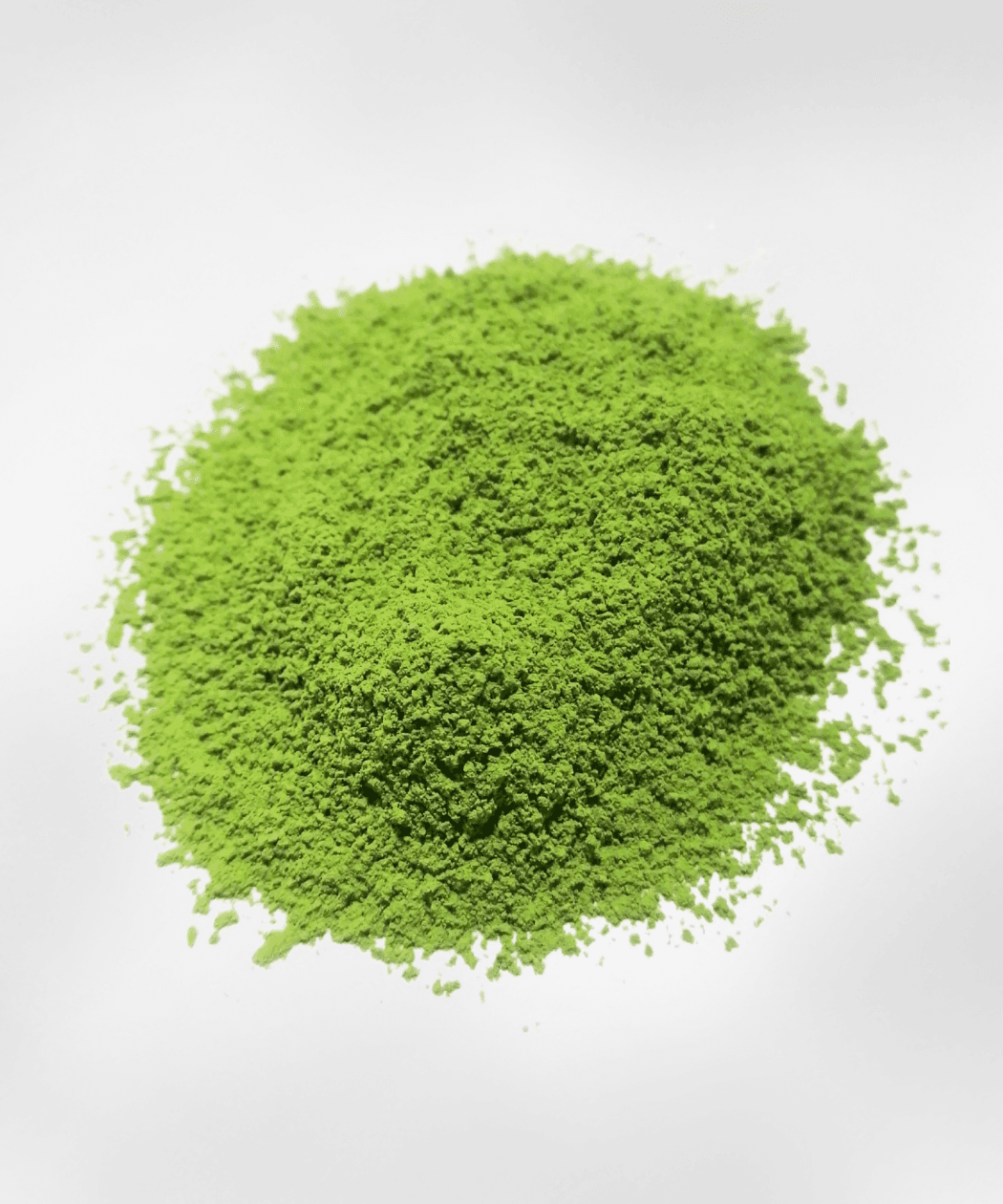
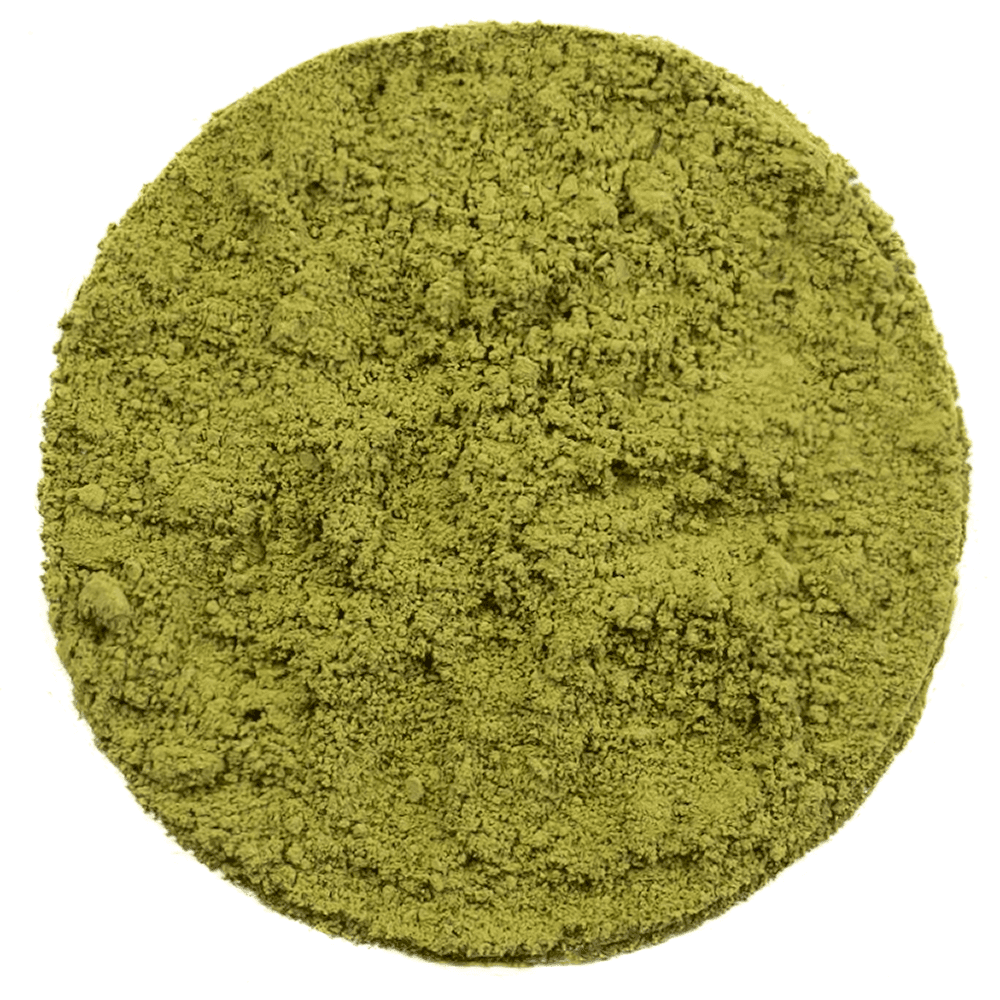
Kagoshima: The Land and Climate Kagoshima, located on the southwestern tip of Kyushu Island, is Japan’s second-largest tea-producing region, right after Shizuoka. The Sakurajima volcano, one of the most active volcanoes in the world, dominates the Kagoshima landscape. The volcanic ash from Sakurajima enriches the soil, giving Kagoshima teas a distinct mineral-rich flavour. The subtropical climate of Kagoshima, characterized by its warm temperatures and high rainfall, provides an ideal environment for tea cultivation. The region benefits from ample sunlight, which is essential for the growth of tea plants, but it’s the shading technique that brings out the matcha’s uniqueness. Shading Technique: The Crucial Process Shading is a special cultivation process in which tea plants are covered for several weeks before harvesting. This practice increases chlorophyll production and amino acid content, particularly L-theanine, which contributes to matcha’s sweet flavour and creamy mouthfeel. There are generally three types of shading: 1. Kabuse (Partial Shading): Tea plants are covered for about a week. 2. Gyokuro (Full Shading): Tea plants are covered for at least three weeks. 3. Tencha (For Matcha Production): Similar to Gyokuro, the leaves are processed to produce matcha. Characteristics of Shaded Kagoshima Matcha 1. Colour: Due to increased chlorophyll from shading, Kagoshima matcha has a vibrant, deeper green hue. 2. Flavour: The volcanic soil, combined with shading, gives Kagoshima matcha a unique taste: a sweet, umami-rich profile, with a slight mineral undertone. 3. Texture: The delicate milling process and shading technique make this matcha exceptionally smooth and creamy. 4. Aroma: A fresh and grassy aroma with a hint of oceanic notes, reflecting Kagoshima’s coastal geography.