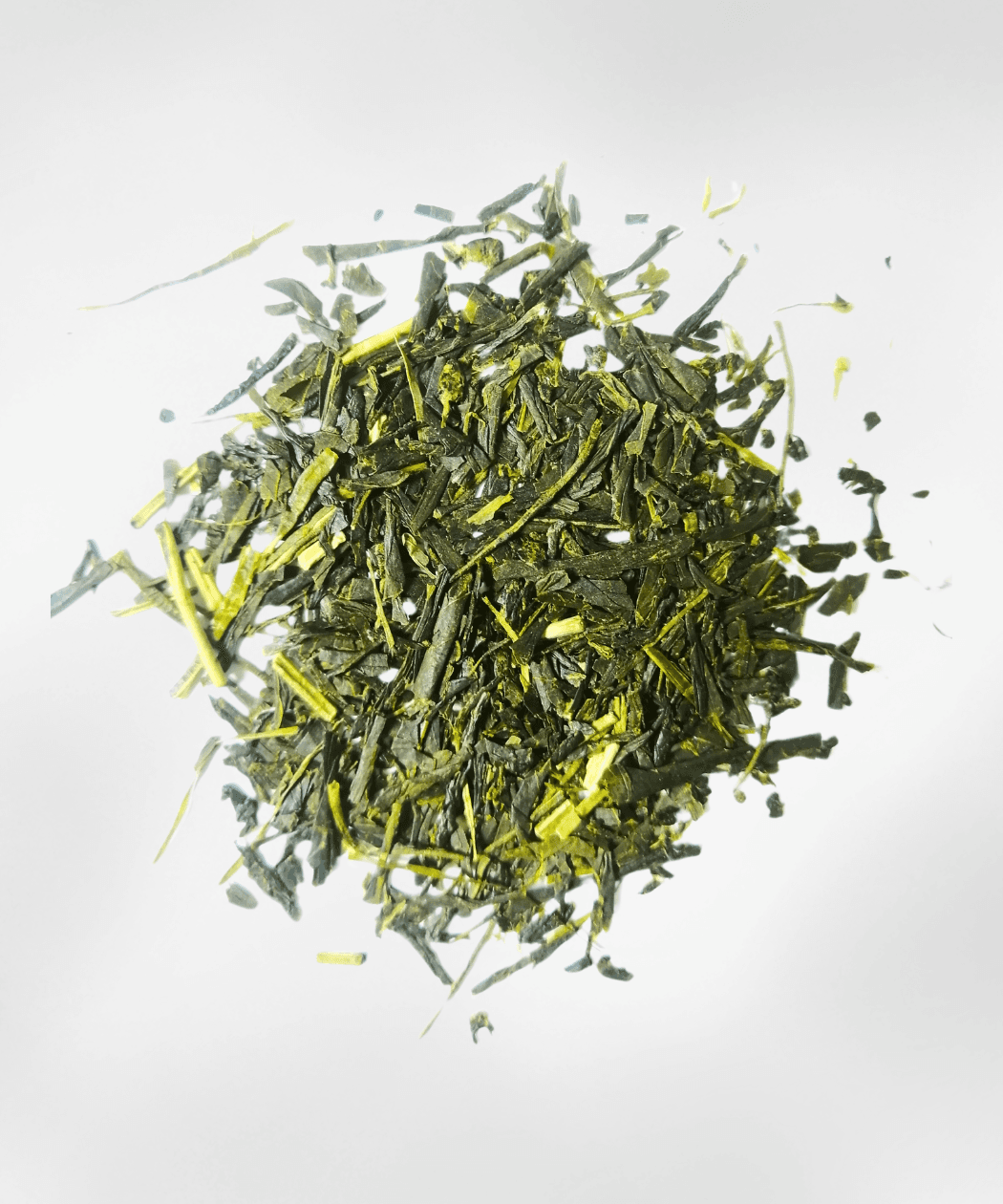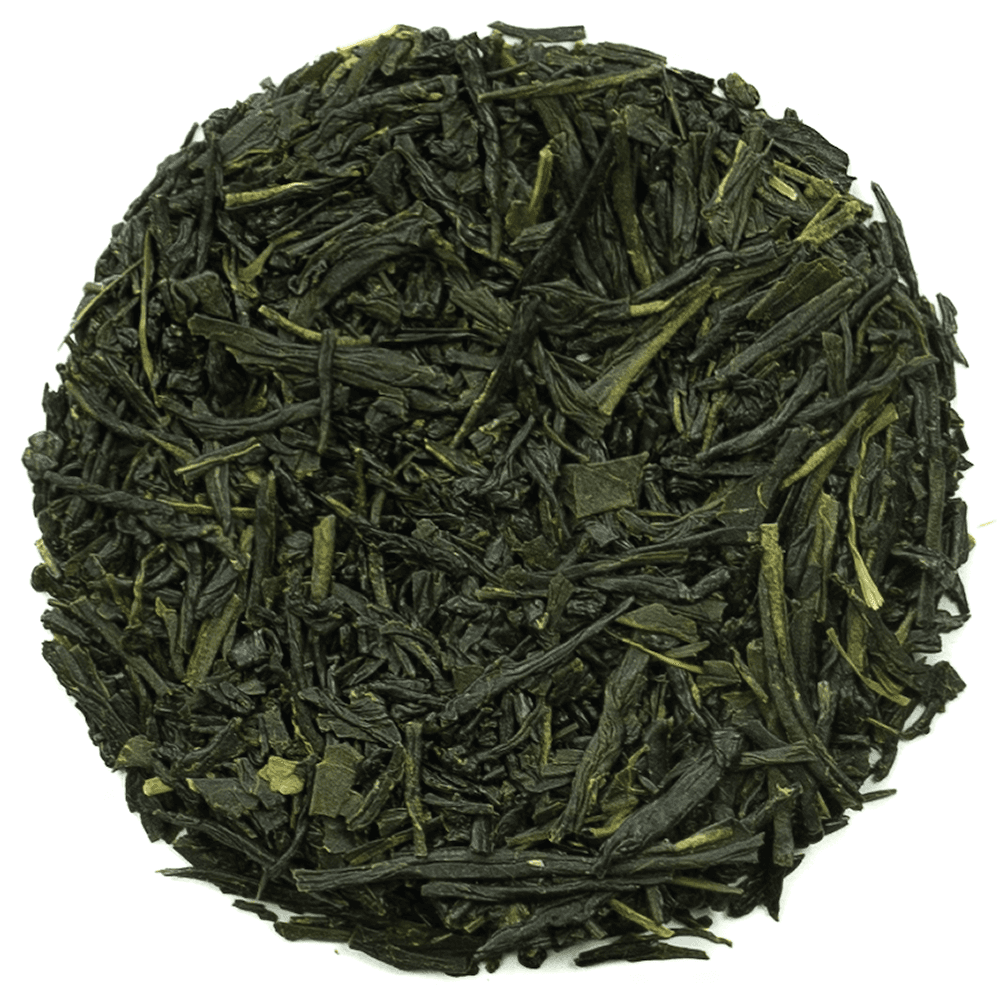
Savory, sweet, and nothing like the green tea most people know. Gyokuro grows under shade before picking, and that darkness builds theanine — the amino acid behind its deep umami (a savoury, brothy quality), silky body, and calm finish. Where most Japanese green teas run bright and grassy, this one lands brothy and smooth, from Okumura Tea Garden in Ujitawara, Kyoto. Tasting Notes Think warm broth with a sweet undertone, like dashi fading into fresh nori. The liquor pours vivid jade-green with a gentle marine aroma. First steeps deliver concentrated umami and a coating sweetness that fills the mouth. Sesame-like richness builds in the mid-session as the leaves open further, and later rounds turn lighter with a clean, cooling close. Weeks under shade built that umami — the sesame richness in the middle is where it shows most. Origin Ujitawara sits in the hills south of Kyoto, one of Japan's oldest Japanese tea districts. Cool mist funnels through the valleys each morning and slows the leaves, which is why teas from this area carry more sweetness. Okumura Tea Garden, a JAS-certified organic grower at 200 meters, produced this May 2025 picking using two cultivars: Komakage and Yabukita. How It's Made Shading changes the leaf chemistry. Less sunlight pushes the leaves to produce more theanine and chlorophyll — the source of that deep green color and savory taste. After picking, a quick steam stops oxidation and locks in the umami. Tight rolling shapes the leaves into fine dark-green needles that unfurl slowly in the cup. Steaming instead of pan-firing is what separates Japanese green tea from Chinese styles. It gives the cup a cleaner, more vegetal finish that lets the shade-driven umami come through. The 25-gram bag gives you four or five sessions to discover whether gyokuro becomes part of your regular rotation. If you have tried sencha and want to understand what weeks of shade do to a Japanese green, start here and pay attention to how the brothy quality deepens with each round. Brewing Brew 5 grams (about a tablespoon) in 100 ml of 60°C water for 30 seconds — that temperature matters because too hot and the umami turns bitter. Start at 60°C and add a few seconds each round, resteeping freely since gyokuro often deepens on the second and third pour. The 25-gram bag holds about five sessions, enough to explore how the flavor shifts from concentrated umami to lighter, sweeter rounds. FAQ What is gyokuro? Gyokuro is a Japanese green tea where the plants grow under shade before picking. That shade increases theanine, an amino acid that gives the tea its savory sweetness and smooth body. The name translates to "jade dew" after the deep green color of the brewed cup. How is Gyokuro different from Sencha? Sun-grown teas like sencha taste bright and grassy. Gyokuro grows under shade, which shifts the flavor toward deep umami, marine sweetness, and a thicker body. If sun-grown tea is a fresh salad, gyokuro is a warm broth. Try Sencha alongside to taste the difference. Can I resteep gyokuro? Three to five rounds. Gyokuro's shade-grown leaves are packed with amino acids, and each steep draws out a different layer. The first round is the most intense — thick umami (a savoury, brothy quality) and marine sweetness. Later steeps lighten into something greener and crisper. Does gyokuro have more caffeine than other green teas? Shade-growing increases caffeine along with theanine, so gyokuro does contain more per gram than sun-grown teas like sencha or Dragon Well. Brewing at 60°C pulls out less caffeine than boiling water would, though, so the cup is gentler than the leaf chemistry suggests. Most people find the theanine smooths out the lift into calm focus rather than a jittery spike.