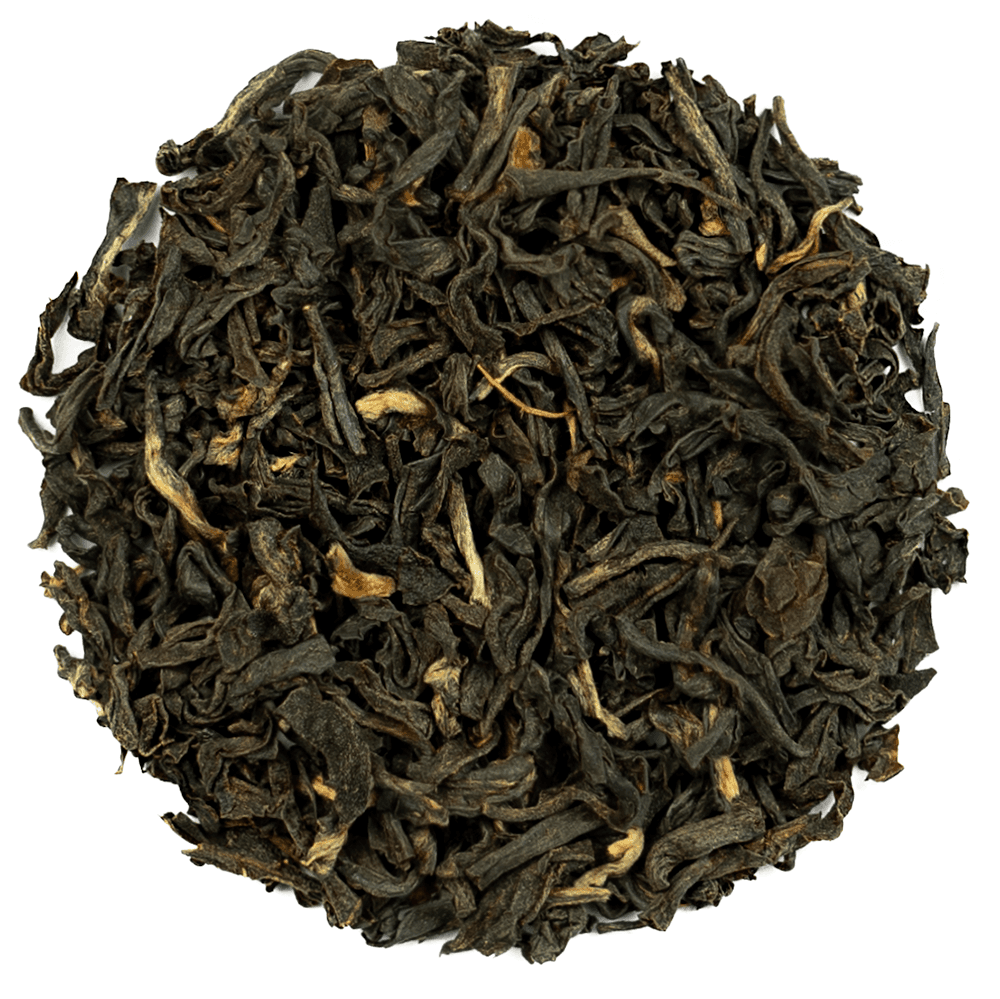
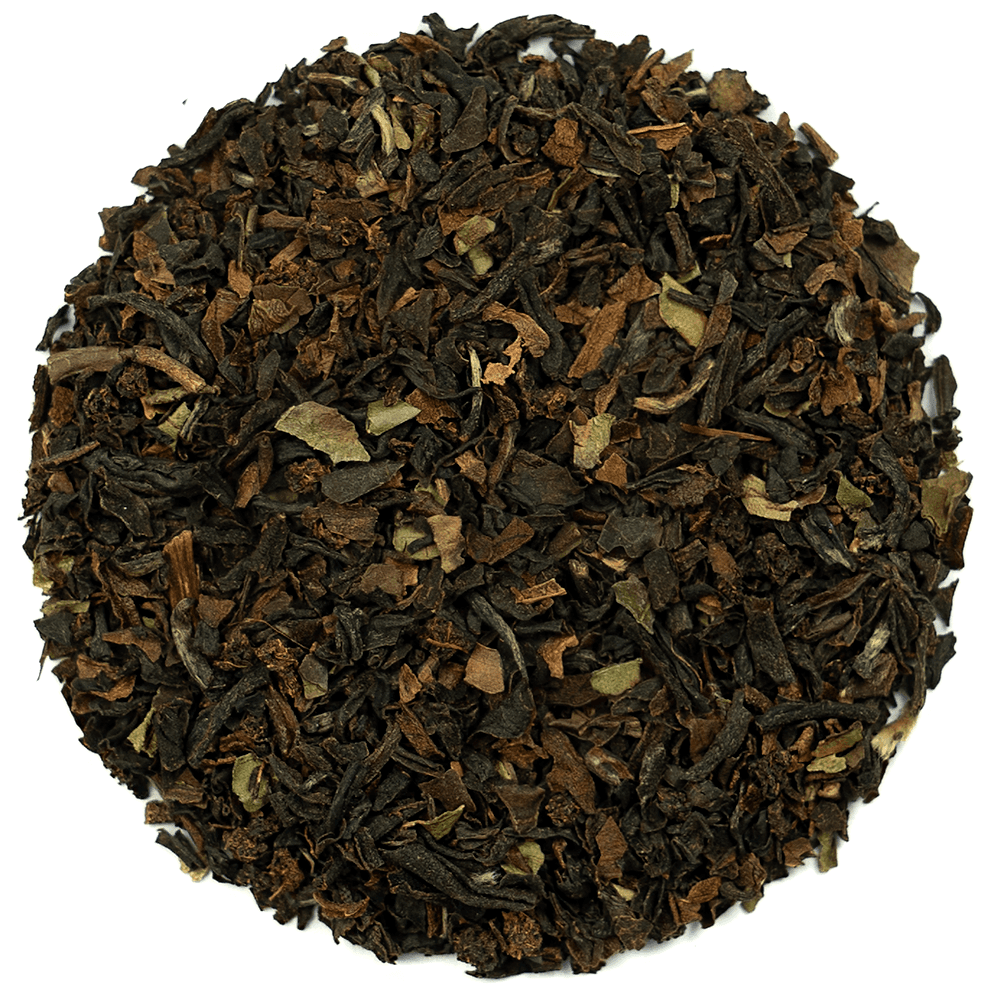
"Broken Orange Pekoe" sounds technical, but it just describes how the leaf has been cut: smaller pieces than a whole-leaf grade, which pull more flavour into the cup, faster. That's the idea behind Ceylon Tea BOP Nuwara Eliya Alton, a black tea from the Alton Tea Estate in the Maskeliya sub-district of Nuwara Eliya, Sri Lanka, grown at elevations between 4,700 and 5,550 feet across a growing area of roughly 350 hectares (865 acres). The estate's factory processes around 2,400kg of tea a day, this grade among it.
In the cup it runs dark and coppery, full-bodied and brisk rather than delicate, with a citrus lift of lemon and orange running through a honey sweetness. It's the kind of profile people mean when they talk about a classic "Ceylonese" character, thick on the tongue without turning heavy. It takes milk well, dairy or otherwise, and just as many drinkers take it plain, or reach for sugar, honey, or a slice of lemon instead. A cup carries roughly 45mg of caffeine per 8oz, enough to count as a proper wake-up tea rather than an afternoon sipper.
Brew it with freshly boiled water and give it 3 to 5 minutes to steep, since the cut leaf doesn't need long to open up and will turn sharp if left too long. Tea & Coffee packs this one fresh to order at its factory in Kent, which keeps each batch closer to how it tasted coming off the estate rather than sitting in a warehouse.
Like most black teas, it carries a natural mix of vitamins and minerals: B-2, B-5 and B-9, along with iron, potassium, magnesium, sodium, manganese and zinc. Tea of this kind has long been credited in folk use with supporting digestion, general immunity and steady energy, though that's tradition rather than anything to lean on for a health outcome.