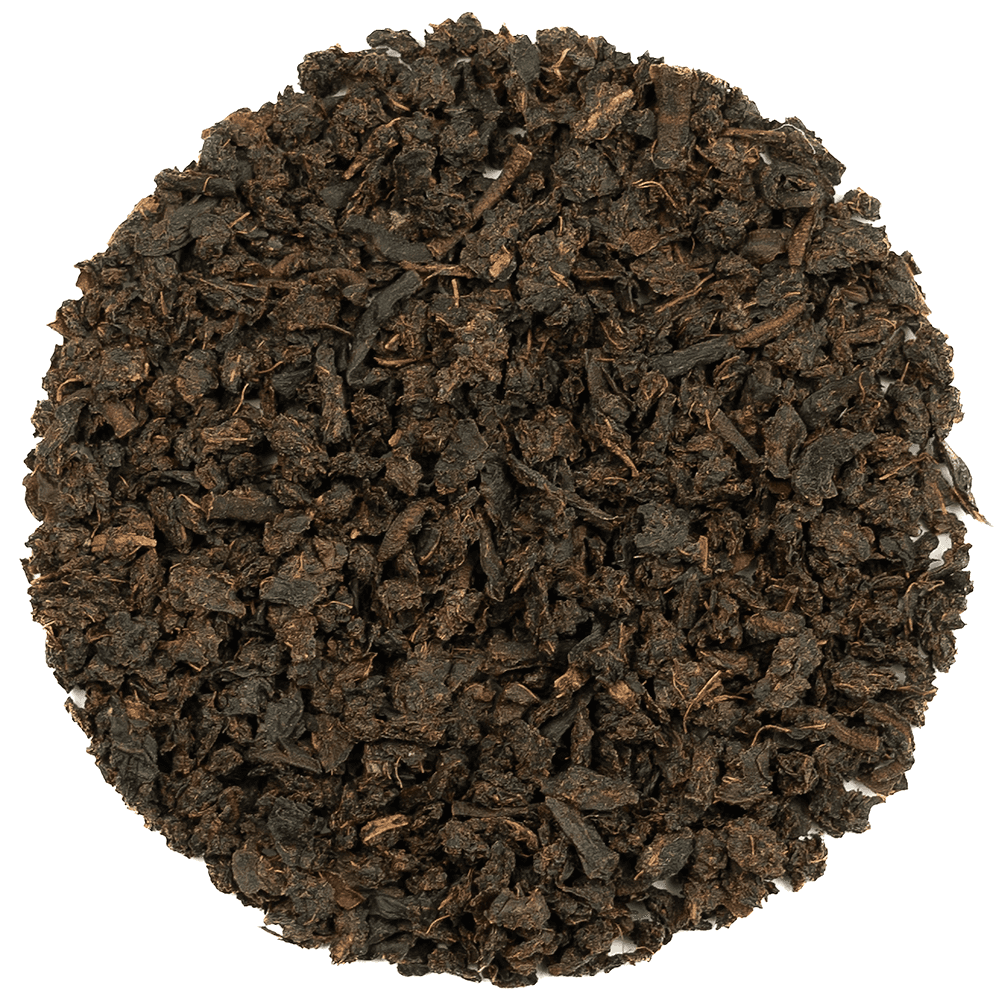
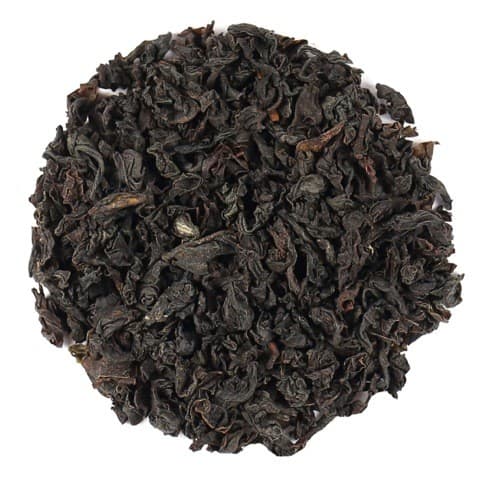
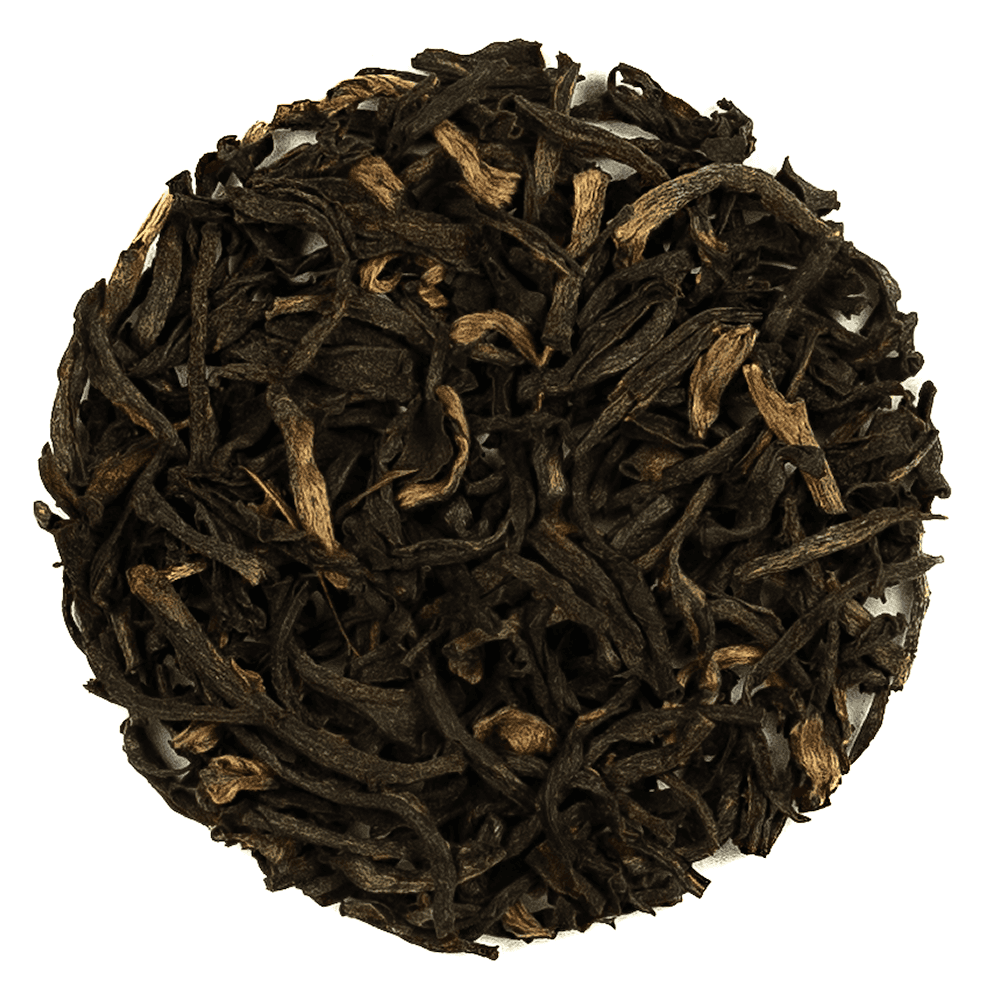
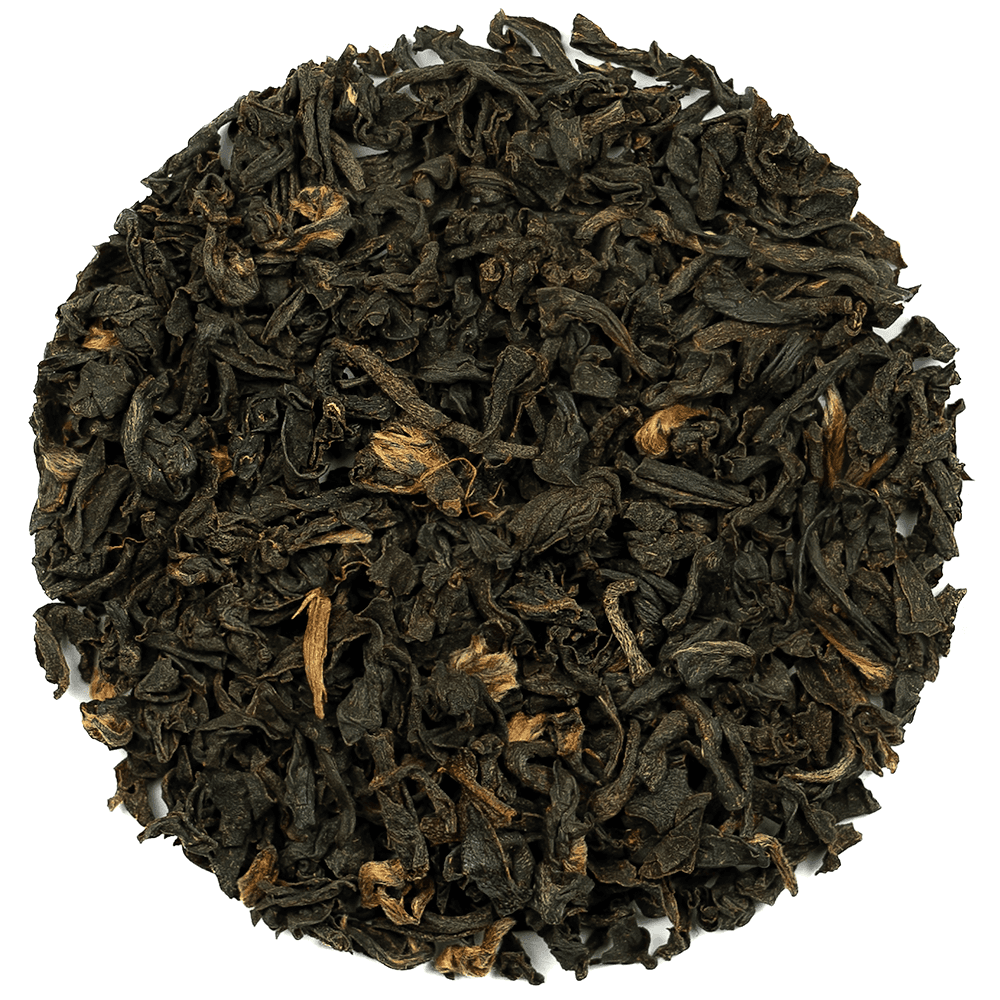
Coppery and dark in the cup, this Orange Pekoe grade 1 comes from the Dyraaba Tea Estate in Sri Lanka's Uva province, grown at an altitude of 4,000 to 5,900 feet — terrain well suited to tea. It's an orthodox black tea, originally made for the Russian tea trade, though these days it draws tea drinkers for its full-bodied character and floral undertones. The "Orange Pekoe 1" grade refers to leaf size: larger than Flowery Orange Pekoe, picked at Dyraaba after the buds have already opened into leaves, so the leaf rarely carries "tip."
The Stratheden Tea Syndicate founded Dyraaba in 1914, and the estate has passed through several owners and managers since, each leaving a mark on how it's run. It still turns out black Ceylon teas that travel well beyond Sri Lanka.
Ceylon tea itself owes its existence to a Scotsman, James Taylor. Sri Lanka's economy ran on coffee until 1869, when Coffee Rust disease wiped out the crop. Taylor had already been experimenting with tea on 19 acres at his Loolecondera Estate in Kandy, and by 1872 he had a working tea factory and had made his first sale. That gamble is the reason estates like Dyraaba grow tea at all. The Kent and Sussex Tea and Coffee Company is the vendor currently stocking this particular lot.
In the cup, expect a robust, flowery character with floral, lemon, orange and honey notes and a thick body — the kind of brisk cup that works morning, afternoon or evening. Brew with freshly boiled water and infuse for three to five minutes. It takes milk and sugar well, though some drinkers add honey or lemon instead, and it holds up served black too.