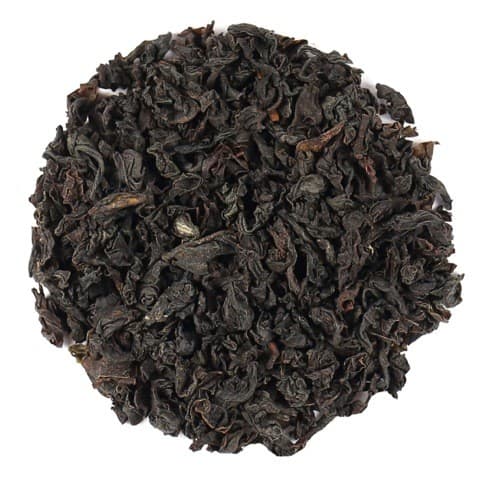
Golden Tips comes from Shree Antu, a hillside in Nepal's Ilam district that draws two different kinds of visitors: tourists who climb up for the views over the tea gardens, and drinkers who never see the place but recognise the leaf. The leaves themselves are large and strikingly golden, and the brewed cup follows through on that promise, coming out smooth and well-rounded rather than sharp. Expect notes of lemon, date and honey running alongside milk and a faint edge of coffee.
Nepal is a latecomer to tea by regional standards: commercial production only began in 1863, a blink of an eye next to China's roughly 5,000-year history with the crop, and the country still accounts for just 0.1% of the world's tea output today. That scarcity is part of what makes a garden like Shree Antu worth seeking out rather than treating as interchangeable with any other black tea.
A typical serving carries around 45mg of caffeine, unsurprising for a black tea, since black teas go through the most processing of any type and tend to run highest in caffeine as a result. It is also light in calories, at roughly two per 8-oz cup, and brings along a mix of B vitamins (B-2, B-5, B-9), vitamin D, iron, magnesium, manganese, potassium and sodium, plus the polyphenols theaflavin and thearubigin. These are the same compounds black tea drinkers have long credited with supporting digestion, oral health and general wellbeing, though that reputation rests on tradition and ongoing research rather than anything settled.
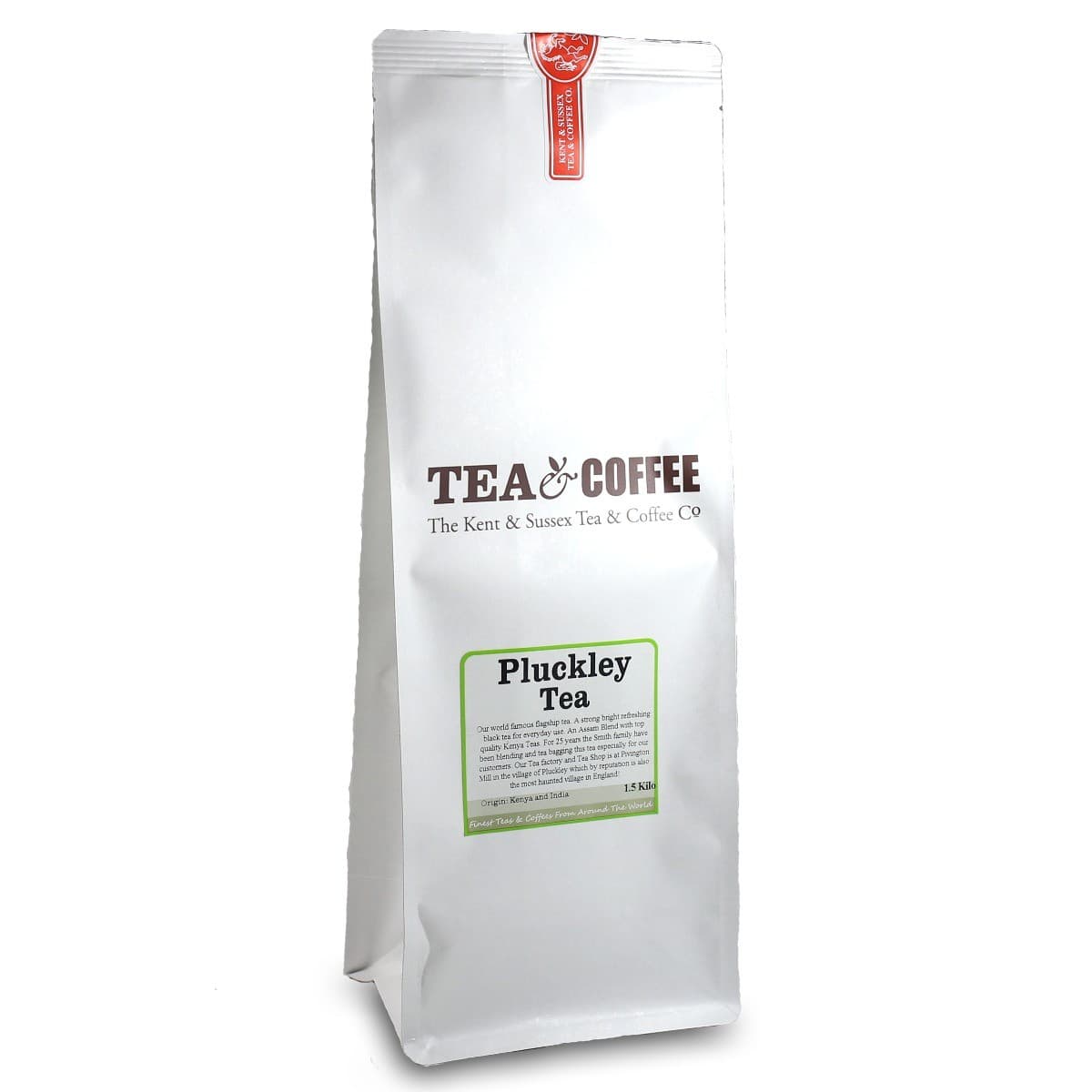
To brew it, spoon loose leaf into an infuser or filter, set it in a cup or mug, and pour water boiled to 100°C over the leaves. Let it steep for three to five minutes. From there, take it with milk, sugar, honey or lemon, or drink it black. The Kent and Sussex Tea and Coffee Company packs this particular batch fresh to order.