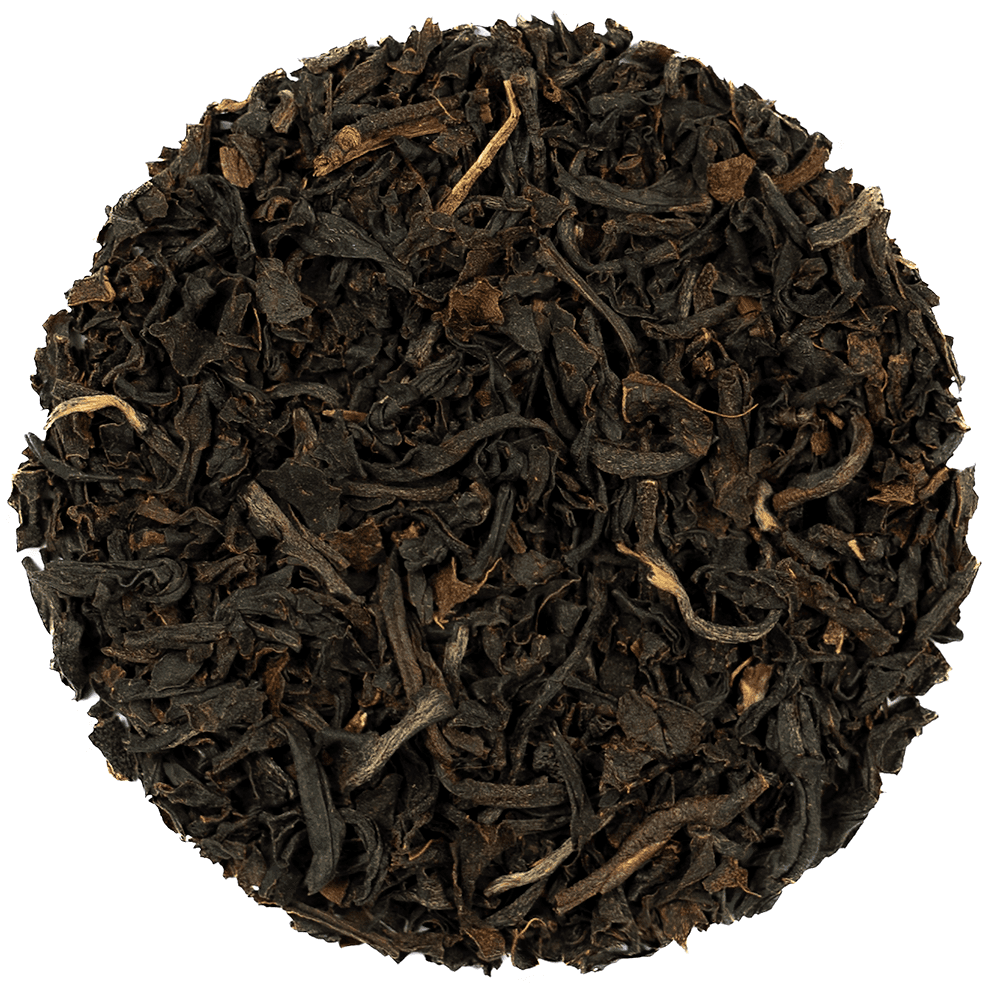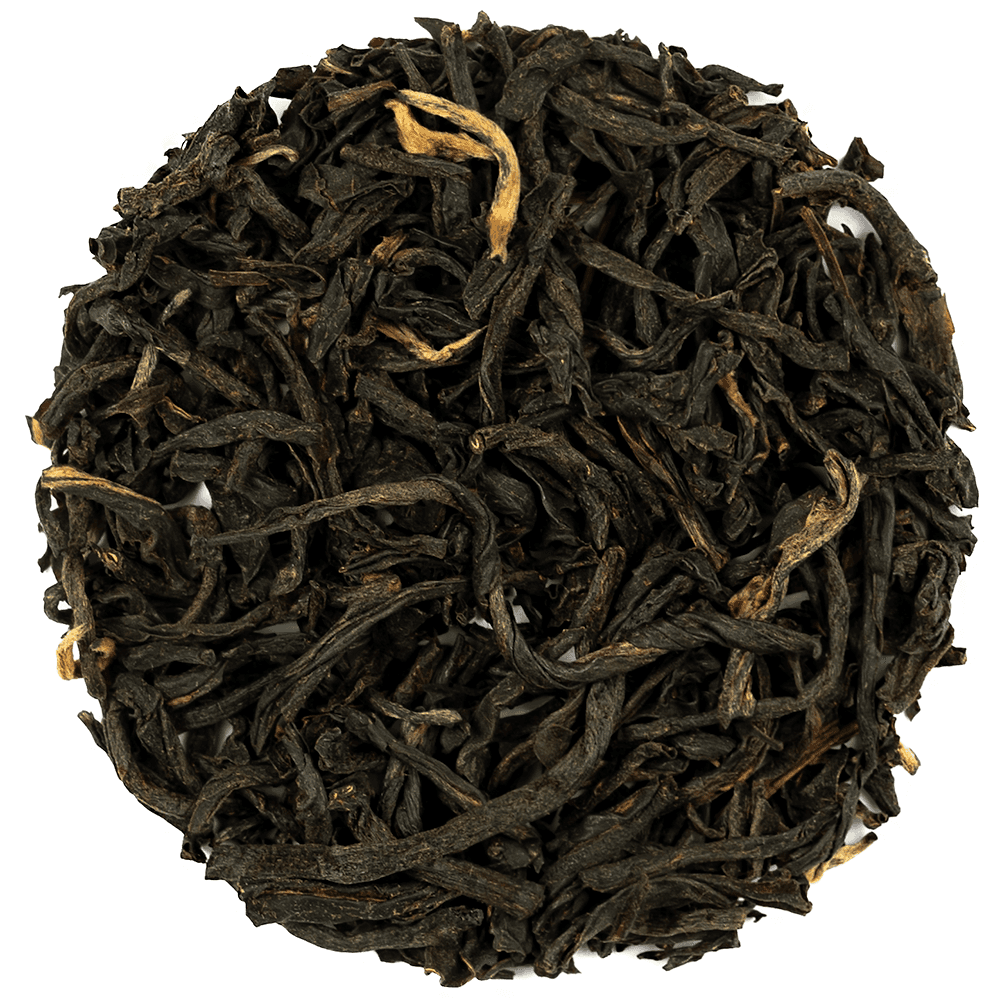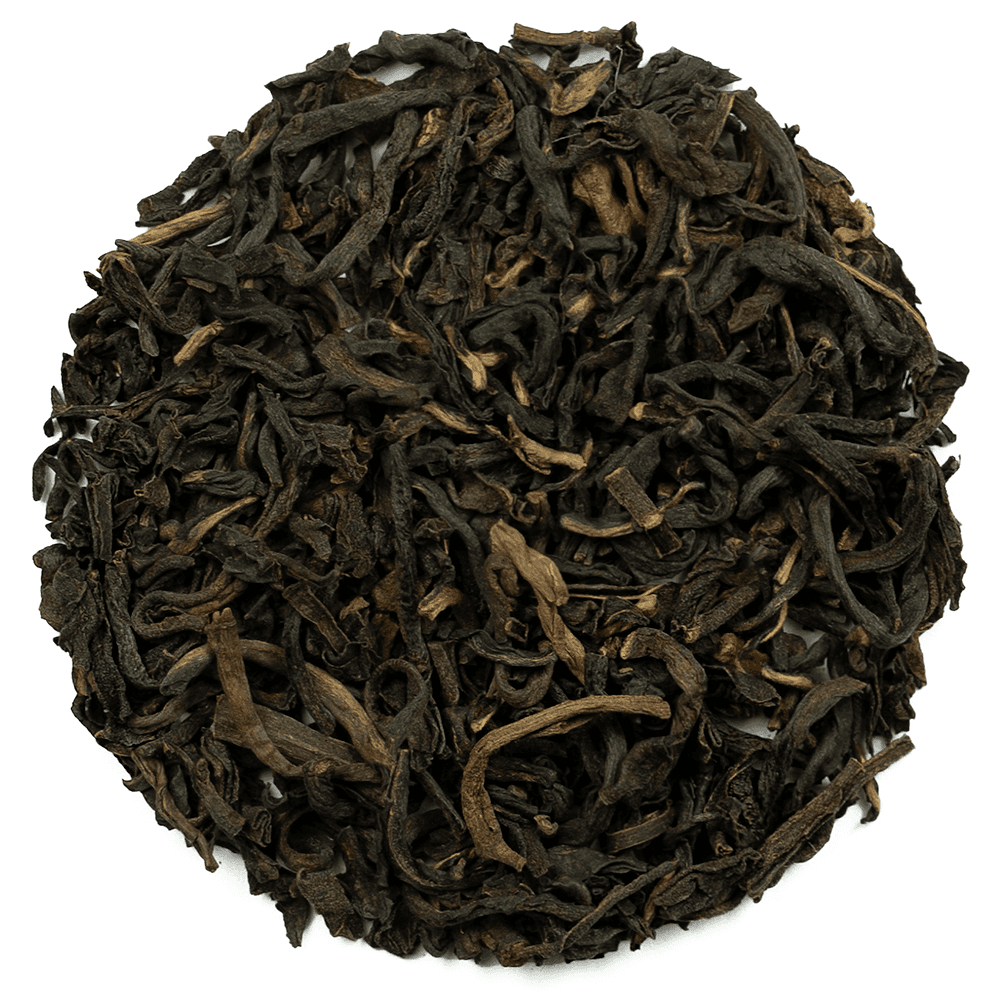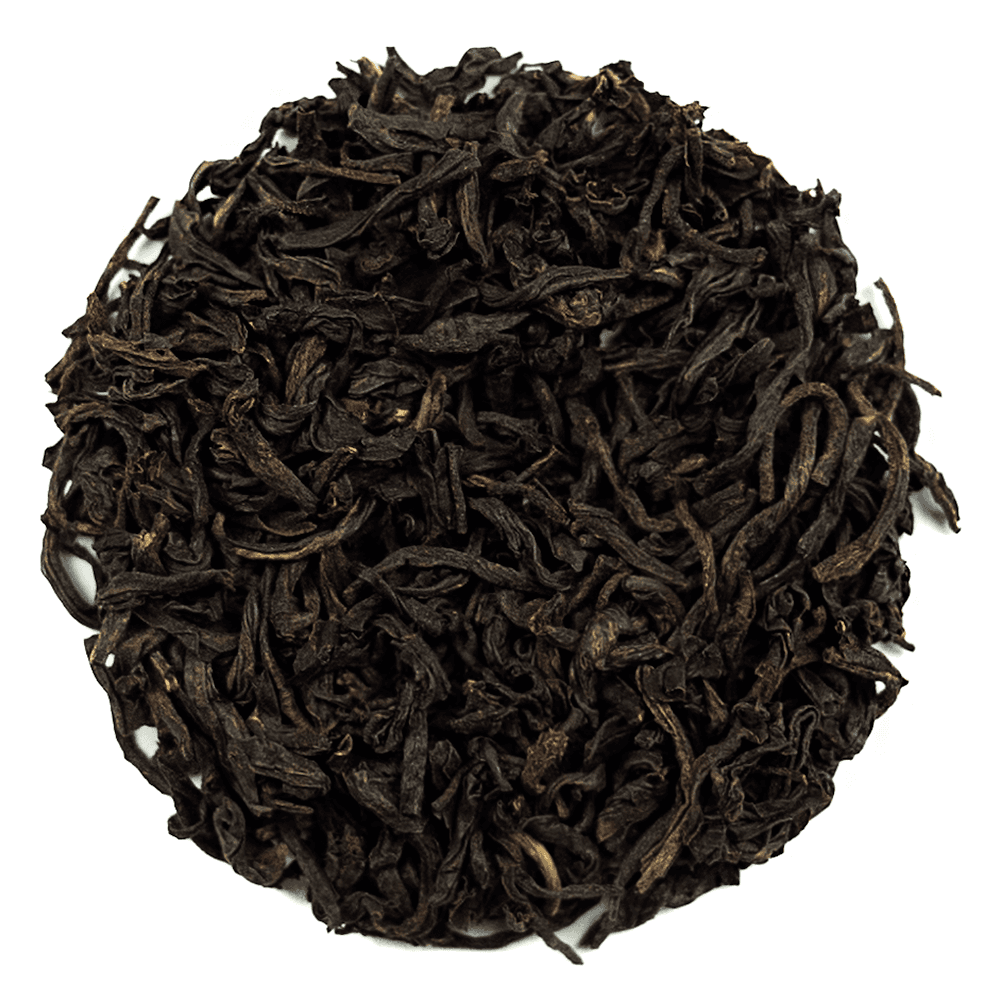
Second flush is where Assam earns its reputation, and this FBOP from the Borengajuli Tea Estate is a good example of why. FBOP stands for Flowery Broken Orange Pekoe: the leaves are broken into smaller pieces during processing, which pushes more flavour into the cup and leaves it with deep, malty notes alongside honey, orange and a touch of lemon, plus a thickness that holds up well against milk.
Borengajuli sits close to the Brahmaputra river, with the Himalayas visible in the distance, and the estate has long carried weight among Assam growers. Its grounds include colonial-era bungalows, and the surroundings shape the character of what it produces. Where Darjeeling drinkers tend to favour the first flush, Assam works the other way round: the second flush, picked between mid-May and June once the leaves have had time to mature, is the one worth seeking out. That extra maturity gives the tea its full body and suits a hearty brew rather than something delicate.
It works as a warming cup through the colder months or steeped and poured over ice in summer. Expect around 45mg of caffeine per 8-oz cup. To brew, spoon the loose leaf into a filter or infuser, pour over freshly boiled water and let it sit for three to five minutes. Serve with milk, sugar, honey or lemon, or leave it black. Tea & Coffee packs this loose tea fresh to order at its factory in Kent.
Assam teas like this one have traditionally been credited with supporting heart health, easing blood sugar swings and giving metabolism a nudge, and its antioxidants, catechins and flavonoids are sometimes said to help the skin when the tea is drunk or applied topically. Those are traditional claims rather than established medical fact, but they are part of how Assam second flush has been talked about for a long time.