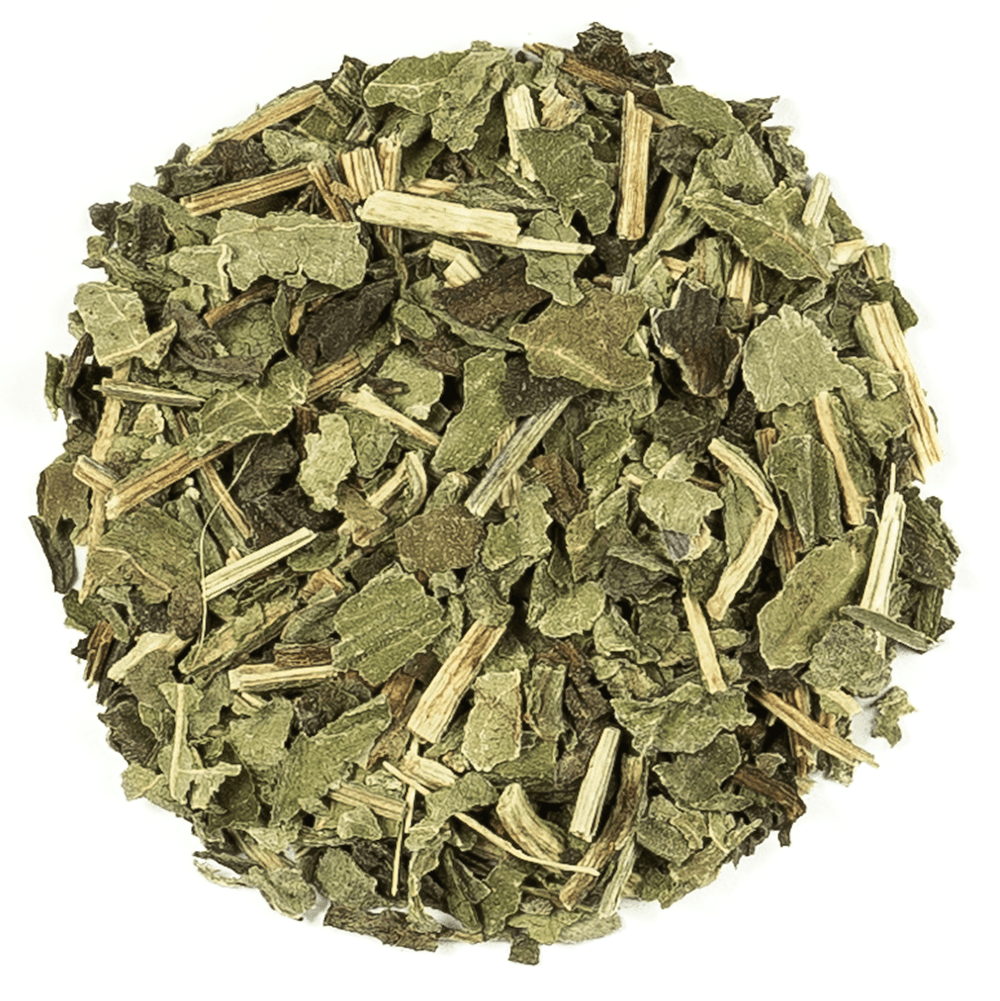
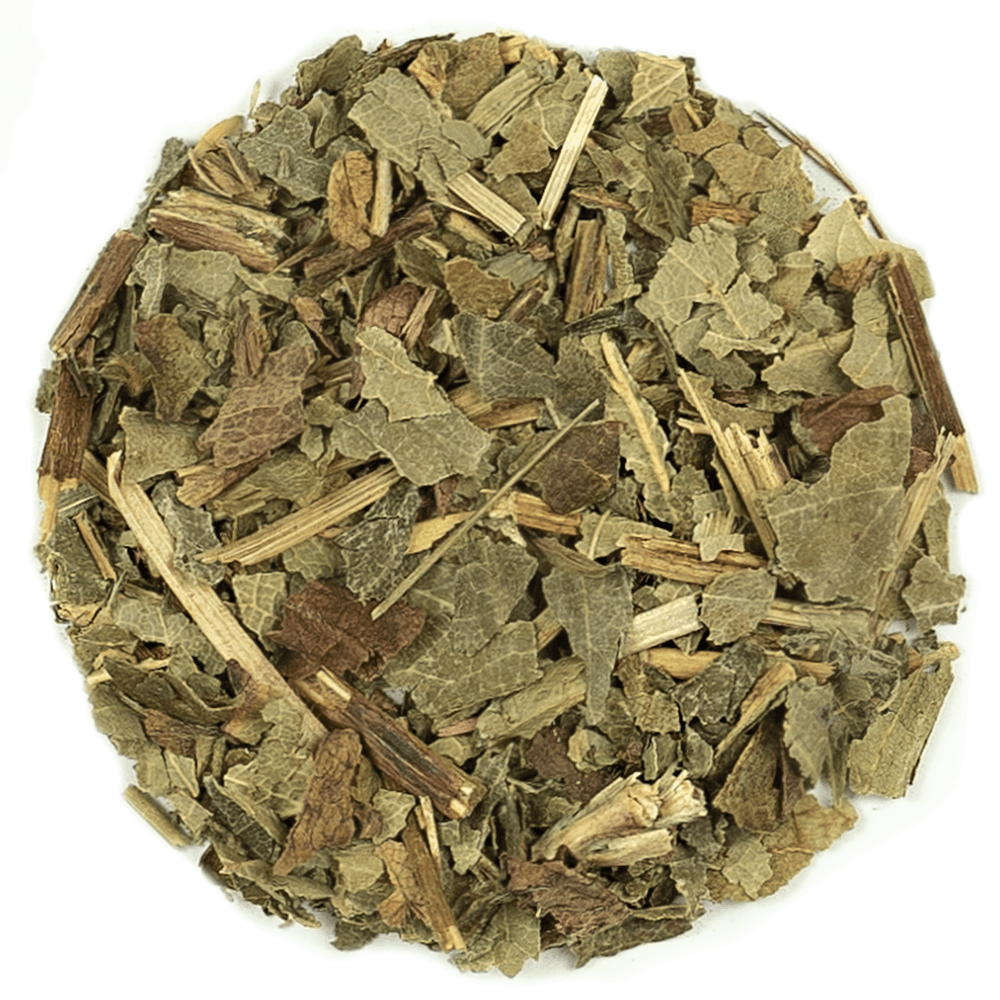
In the Cretan dialect this herb is called Έρωντας, meaning love, and the name fits its history: young, ardent lovers were once said to be the only ones willing to scramble up treacherous mountainsides to gather it, since Dictamo of Crete was long considered an aphrodisiac. It's also known as Dittany of Crete, Cretan Dittany, or Hop Marjoram, and botanically it's Origanum dictamnus, a tender perennial that grows just 10 to 20 centimetres tall, with many branches and grey-green ovate leaves that go into the cup. Its pale-pink to purple flowers bloom through summer and are popular with bees. Hippocrates is said to have prescribed the plant for stomach aches and digestive complaints, and Aristotle reportedly believed it could heal arrow wounds. Centuries later it turned up in fiction too: in the Harry Potter books, Hermione Granger uses it to treat Ron Weasley's injury in The Deathly Hallows, drawing on the same reputation for healing that Cretans have attached to the plant for generations.
The taste is floral and herbaceous, similar to Cretan mountain tea (malotira), with notes of lemon and honey alongside the herbal base. Tea & Coffee sources its dittany from a grower named Giannis, who harvests it in the hills near his home in Crete; the company then packs it fresh to order at its factory in Pluckley, a way of keeping each batch consistent. Some research points to antioxidant, antiseptic and antifungal properties in the plant, though it's best regarded as a traditional remedy rather than an established treatment. To brew, steep the loose leaf in freshly boiled water for around 7 to 8 minutes. It's traditionally drunk plain, but a little honey or lemon suits it as well.