1656 chars (with trailing newline), within the 1475-2262 range. This reads well and avoids all banned constructions. Final answer:
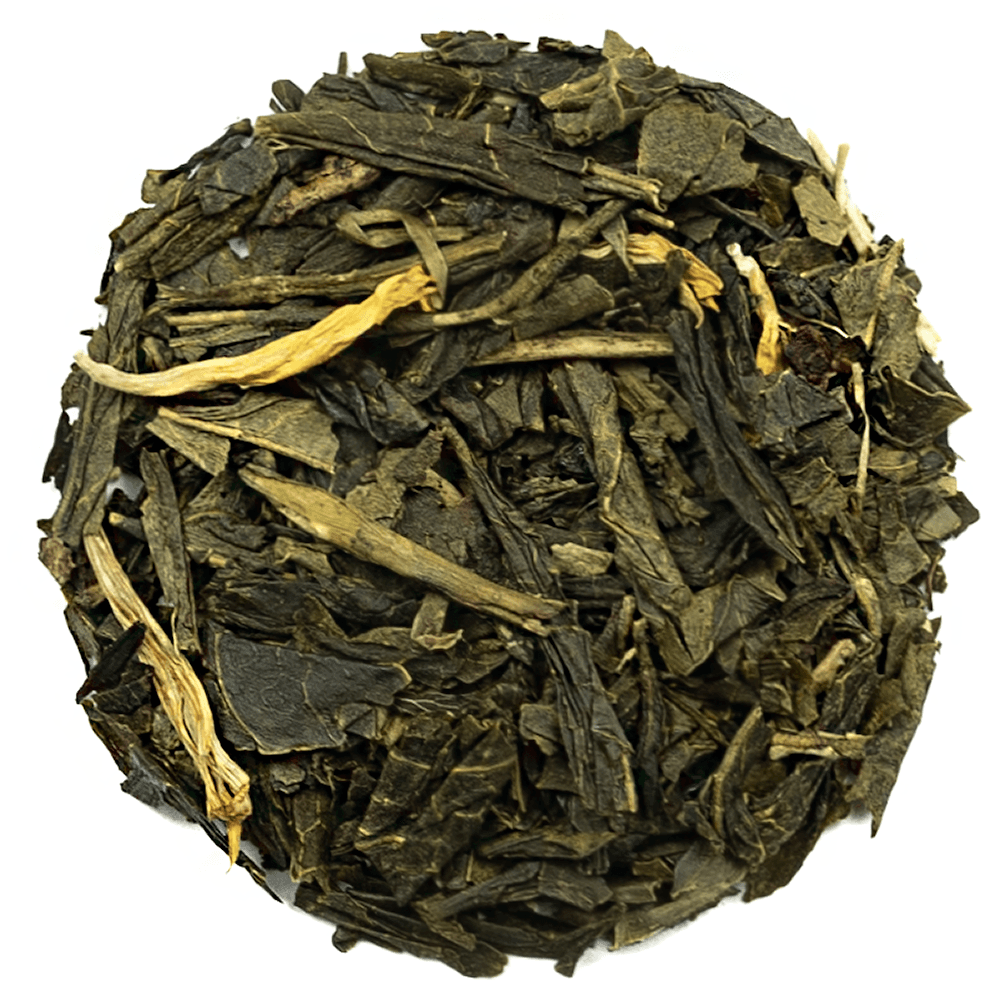
Most tea coming out of Java and Sumatra is black, so a green tea from the Ciwidey Estate near Bandung is something of an outlier. The estate sits at around 700 metres in a tropical highland zone with a rainforest, monsoon climate, and it's the elevation and humidity that give the bushes their growing conditions. Leaf grade here is Pekoe, and the tasting profile leans grassy and full-bodied, with notes of lemon, tropical fruit, honey and forest floor running under a thick, heavy structure. In the cup it comes out golden yellow, and the leaves hold onto their body and flavour across more than one infusion, which is unusual for a green tea of this style, since most fade fast by the second steep.
The estate's history explains some of that character. The Dutch East Indies Company planted tea here in the mid-18th century, starting with seeds brought from Chinese bushes, but those plants struggled in the local conditions and were eventually replaced with Assamese stock. Commercial green tea production on Java only began in the 1980s; before that, what was grown stayed mostly for local consumption, with black tea the export crop. That makes this a comparatively recent addition to the island's tea story, grown from plant material with a very different lineage than most Chinese green teas.
To brew it, use water at 75-80 degrees and steep for two to three minutes. It stands on its own, though a slice of lemon or a spoon of honey suits the grassy, hearty character well, both flavours the tea already carries. Store the leaves in an airtight container away from heat, sunlight and strong smells to keep the grass and honey notes from fading.