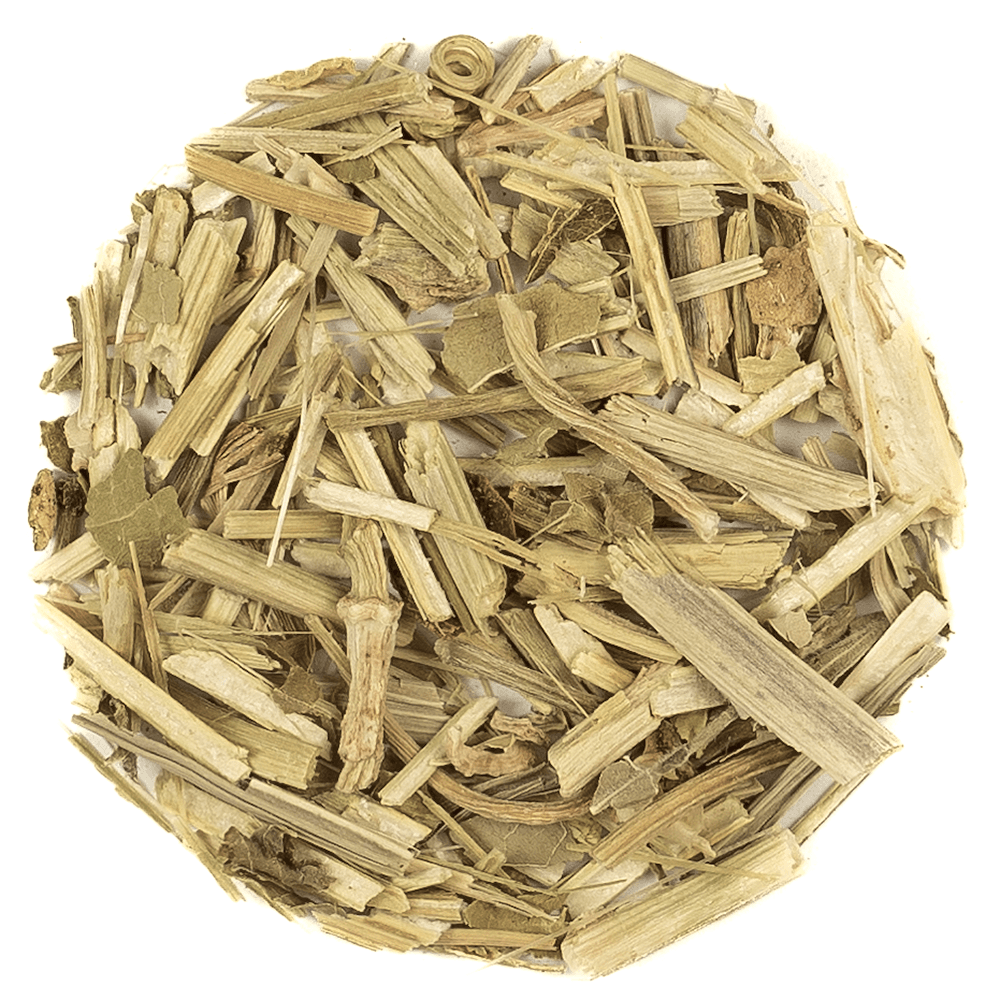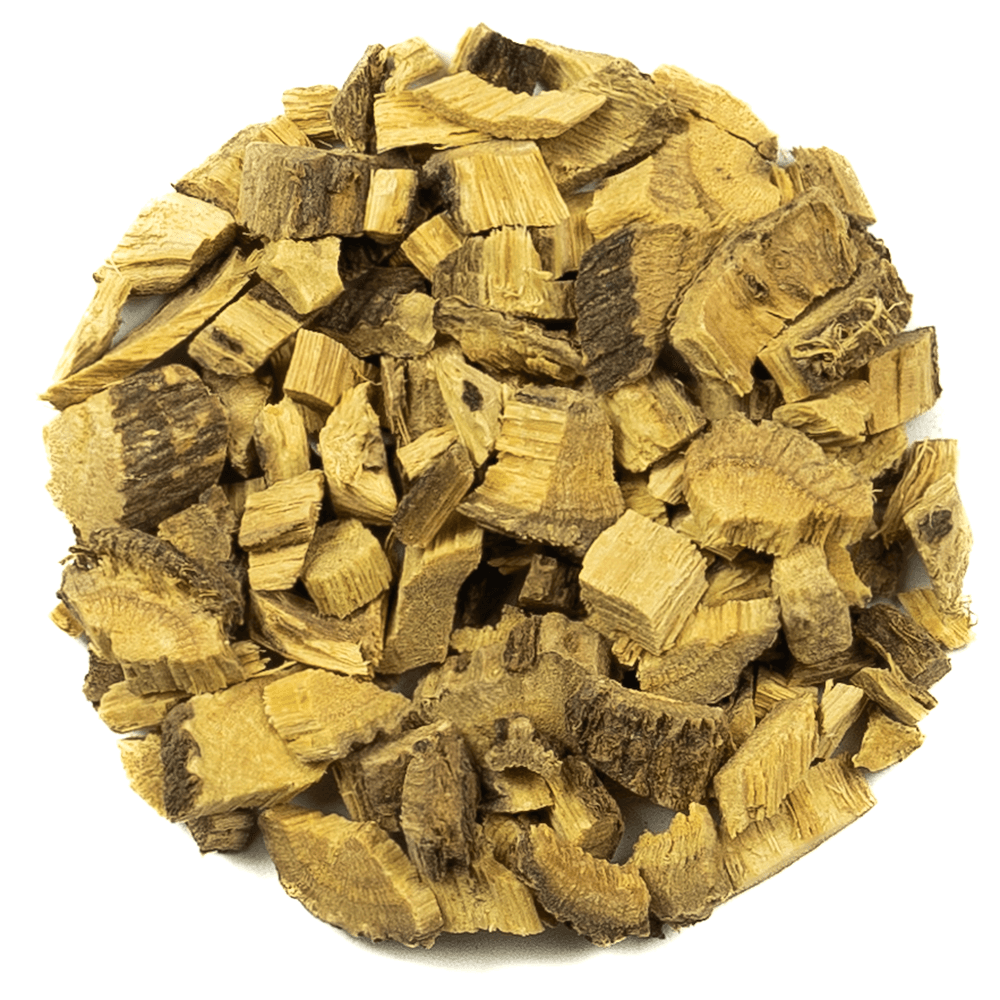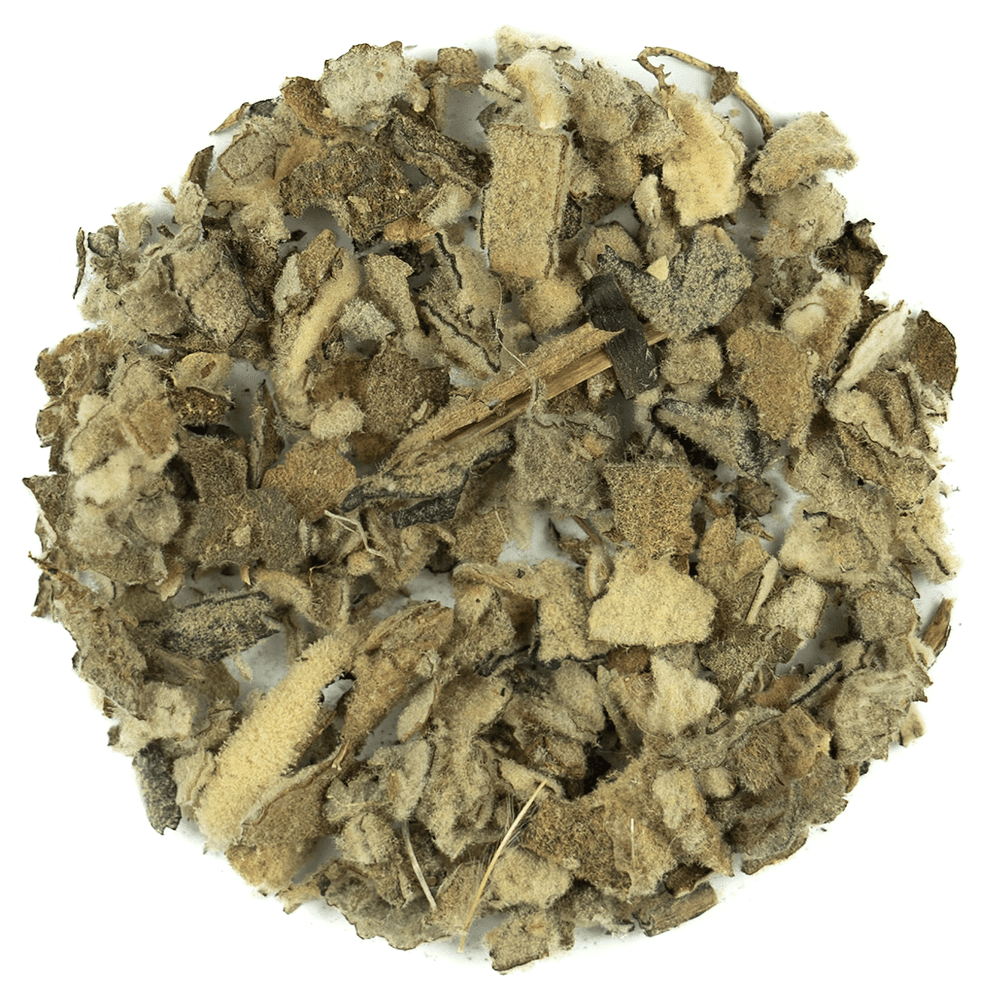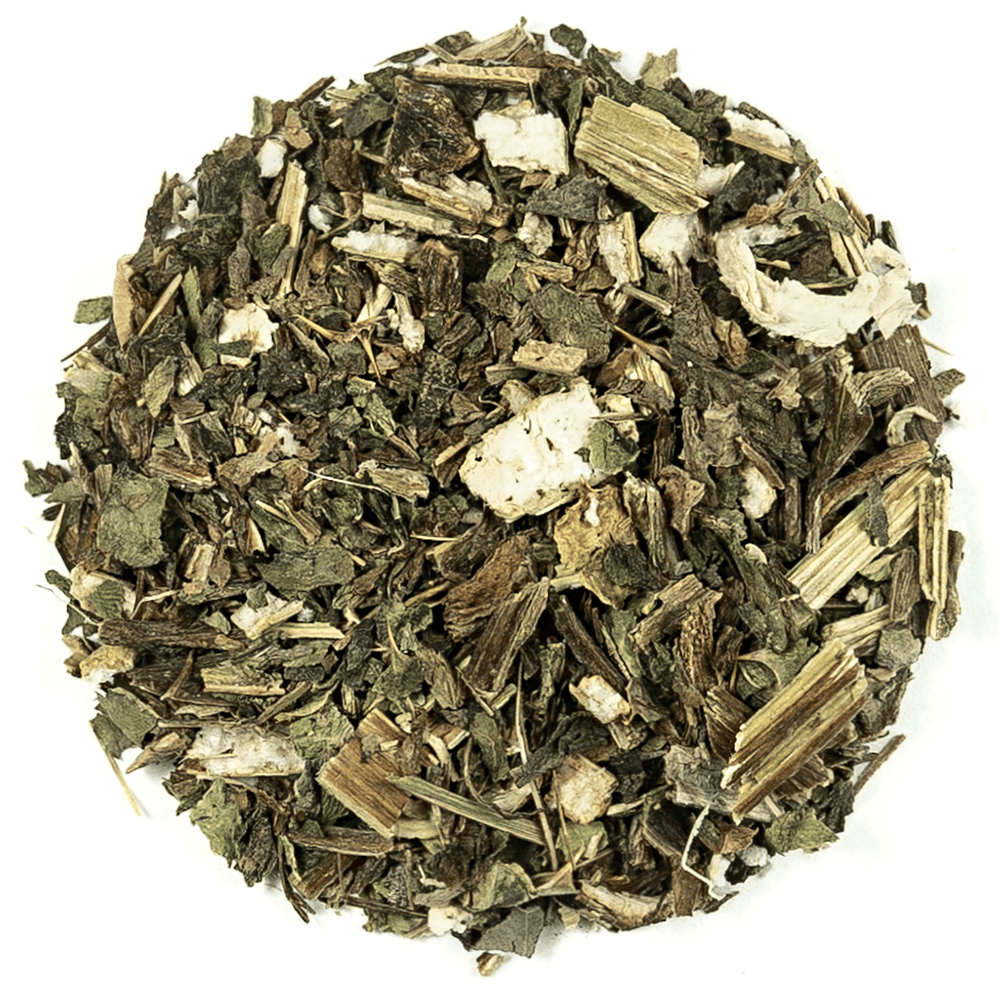
Raspberry leaf comes from the Rubus genus, the same family as the garden rose, and long before it turned up in tea tins it was part of the medicine cabinets of indigenous peoples across North America. The Chippewa and Omaha are recorded as using it for bowel complaints, and other groups turned to it to guard against haemorrhage. That history of use for physical complaints is part of why the leaf still shows up in herbal blends today.
Its best-known modern association is with late pregnancy. It has long been drunk by expectant mothers in the third trimester, with some crediting it for easing morning sickness, softening contractions and helping hormones settle after birth, and some midwives recommend it for exactly this reason. None of this is something to take on faith, and anyone pregnant should check with a doctor before starting a course of it, since taking it too early is generally discouraged.
You don't need to be pregnant to reach for it, though. Outside of pregnancy it has traditionally been used as an anti-inflammatory, antibacterial, diuretic and relaxant, and some drinkers credit it with settling nausea, aiding digestion or supporting the immune system, claims that remain anecdotal rather than proven. What is certain is that it carries no caffeine at all, which makes it a straightforward swap for anyone cutting back on stimulants without wanting to give up a warm cup.
In the cup it leans earthy and herbaceous, with notes that can run from rose and lemon to raspberry, honey, coffee and something faintly medicinal depending on the batch. Steep loose leaf in a filter or infuser, cover with water just off the boil at 100°C, and leave it for five to ten minutes. Take it plain or soften the edges with a little honey or lemon.