Yunnan's black tea is the younger sibling of the province's famous green tea, a black-tea tradition that only took shape in the 1930s when war disrupted production in China's southeastern growing regions and officials went looking for alternatives further west. Two China Tea Corporation employees, Feng Shaoqiu and Zheng Hechun, travelled by train and then on a fifteen-day mountain trek to reach Shunning (now Fengqing) in late 1938, gathering samples that led to the founding of the Yunnan Tea Trading Corporation and the Shunning Experimental Tea Factory soon after. Within a couple of years the region was producing over a hundred tonnes of black tea a year.
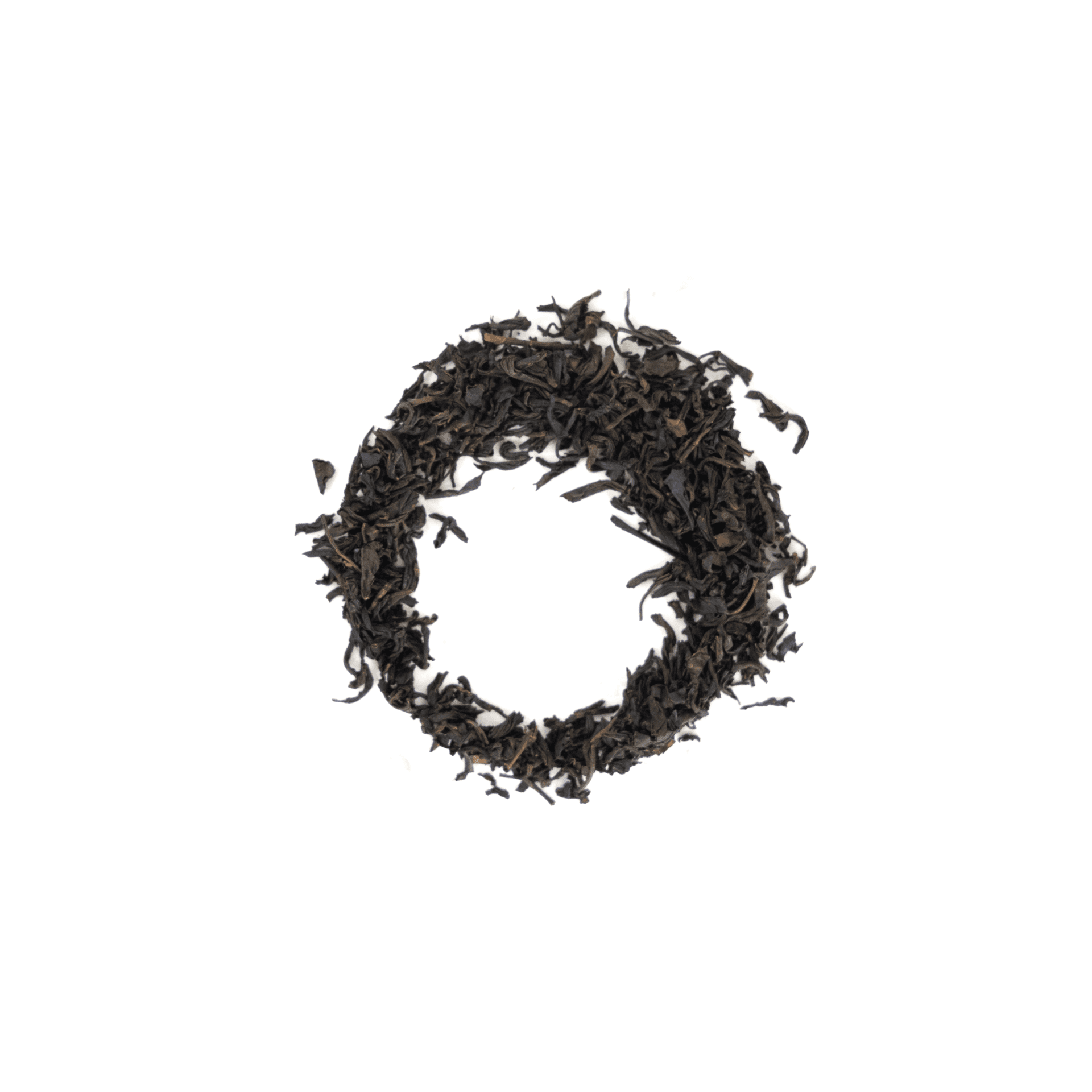
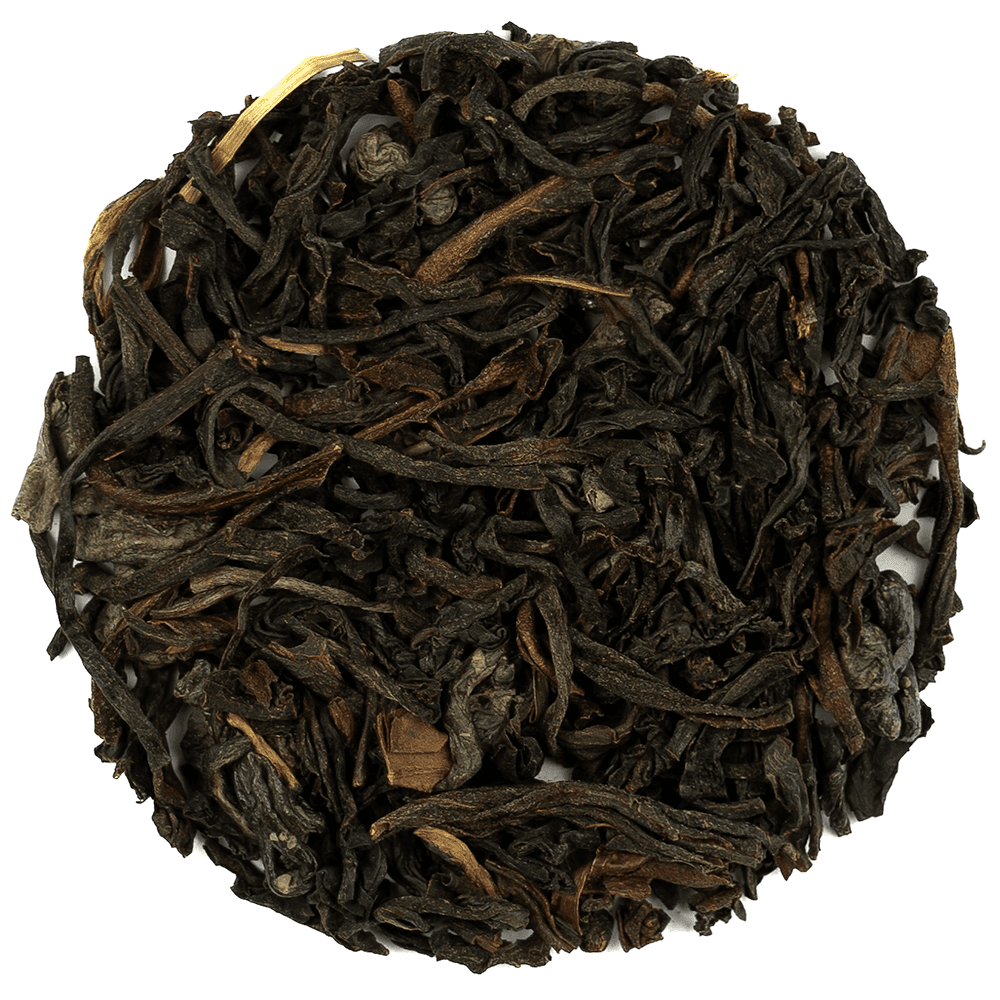
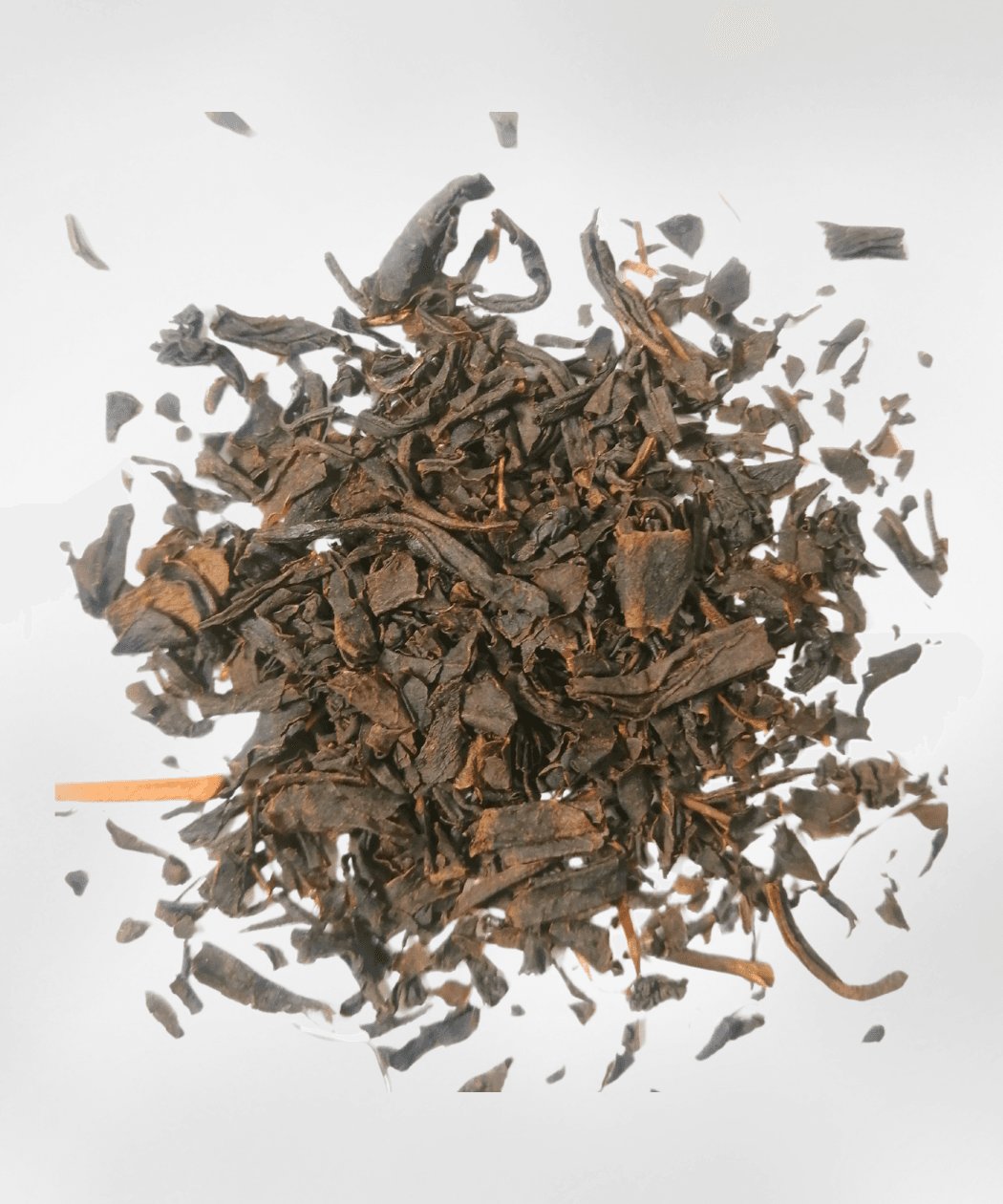
The leaves are dark and medium-long, with bronze tips, and they brew into a coppery, dark liquor. Expect a woody, earthy cup with smoky undertones, a smooth body, and notes that can run toward lemon, honey and milk alongside the earthier tones. Steep it in freshly boiled water for three to five minutes. It stands up well to milk, sugar, honey or lemon, though it is just as good served black. Black tea of this kind has long been drunk as part of a daily habit thought to support general wellbeing, though that is a matter of long tradition rather than anything to lean on for a specific health outcome.