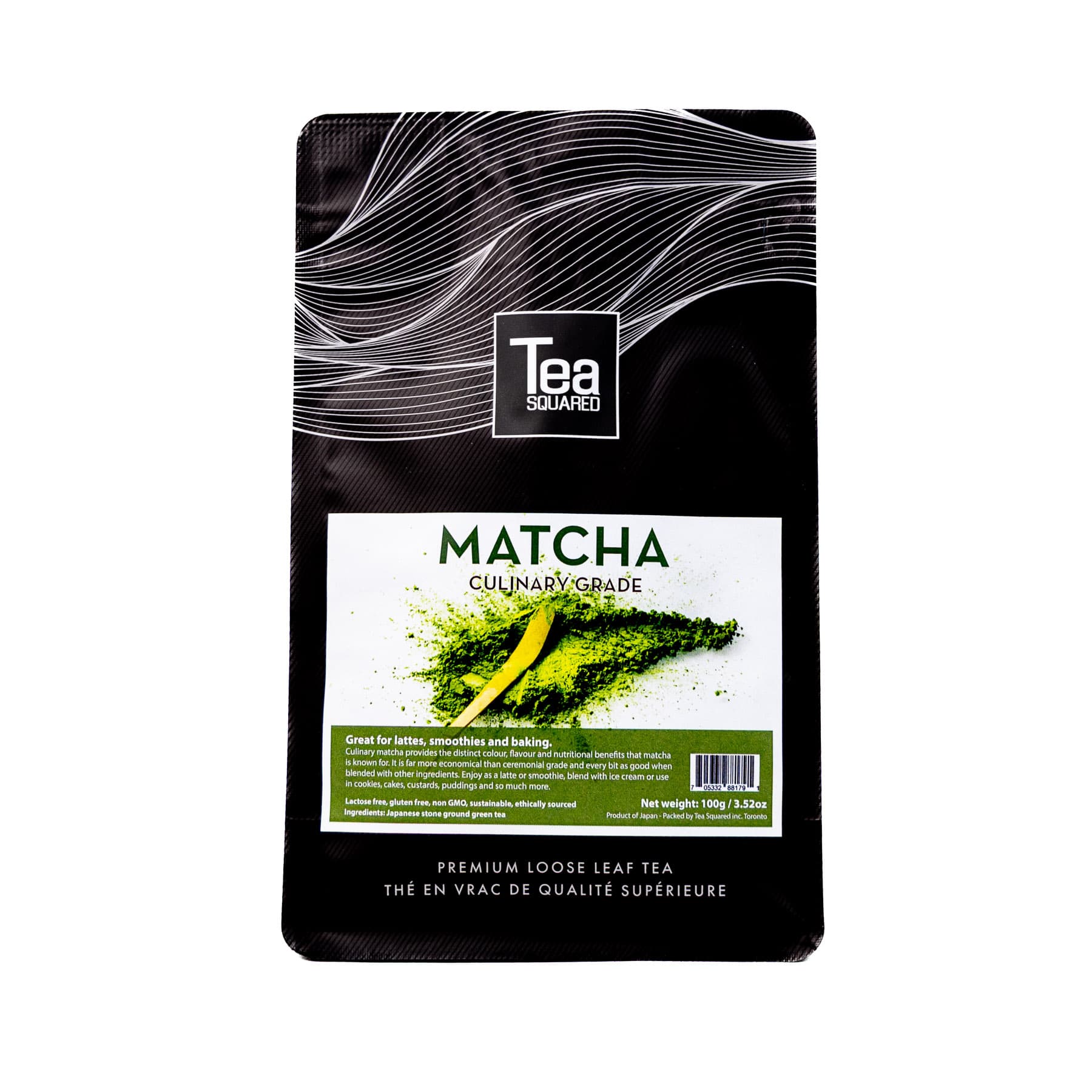
Most of what sells as matcha online is bitter, chalky, or dull — powder quality makes the difference. Tokusei Matcha (special grade) blends two tea plant varieties into a bowl that stays creamy and sweet from the first whisk to the last sip. One adds body, the other adds lift, and the result is a morning cup you look forward to. What You'll Taste Bright jade-green with a sweet, grassy scent you notice before the first sip. The bowl opens creamy and gently sweet, closer to warm broth than juice, with a full body that stays on the tongue. A quiet umami (savory, brothy) note builds underneath as the foam settles. The finish drifts somewhere soft and faintly nutty, and the sweetness carries into a calm that lasts past the bowl. A morning cup that keeps you steady. Where It Grows Zenjoji sits in Ujitawara, southeast of Kyoto, one of the oldest matcha-growing areas in Japanese tea. The Nishide family has refined tea here since the 1860s, buying raw leaf from JAS-certified (Japan Agricultural Standards) organic contract gardens in the valley. This May 2025 lot comes from bushes grown at 200 meters, where cool mornings and mist keep the leaves rich in the amino acids behind matcha's sweetness. How It's Made Two cultivars (tea plant varieties) shape this matcha: Okumidori for mellow sweetness and deep green color, Samidori for a brighter, more focused edge. The bushes spend about three weeks under shade before picking, because blocking sunlight prevents amino acids from becoming bitter compounds, keeping more sweetness in the leaf. After steaming, the harvest dries into tencha (raw matcha leaf) and passes through a granite stone mill that keeps the powder fine and vivid. A thirty-gram tin holds about fifteen bowls — enough for two weeks of daily matcha. If you already drink matcha and want something creamier and sweeter than what you have tried, this is a good place to start. Brewing Sift 2 grams of powder into a warm bowl through a fine strainer, add 60 milliliters of 80°C water, and whisk with a bamboo chasen (whisk) until a smooth foam forms. Two grams is about one teaspoon, and if you do not have a thermometer, pour boiled water into a cup and wait a few minutes for it to cool. FAQ What is ceremonial-grade matcha? Ceremonial matcha comes from spring leaves shaded for weeks before harvest, then steamed, sorted, and stone-milled into fine powder. The grade means quality high enough for preparation with water alone. Not every matcha labeled "ceremonial" meets this bar. How is Tokusei Matcha different from Syuppin Matcha? Tokusei is creamier and grassier, with gentle sweetness from blending Okumidori and Samidori. Syuppin Matcha is nuttier and deeper, using single-cultivar Samidori hand-sorted before milling. Both come from the Nishide workshop in Ujitawara, Kyoto. Why does my matcha taste bitter at home? Water temperature is usually the cause — boiling water scorches the powder and pulls out harsh compounds, so keep it around 80°C. Sifting before whisking also helps, because clumps dissolve unevenly and leave bitter spots in the bowl. What does "tokusei" mean on a matcha label? Tokusei (特製) means "specially made" in Japanese. Producers use it to mark a lot where leaf selection, sorting, and milling met a higher internal bar. Japanese tea grades are set by each producer, not by an industry-wide standard, so the word signals care rather than a regulated tier.