適格販売により収入を得る場合があります。
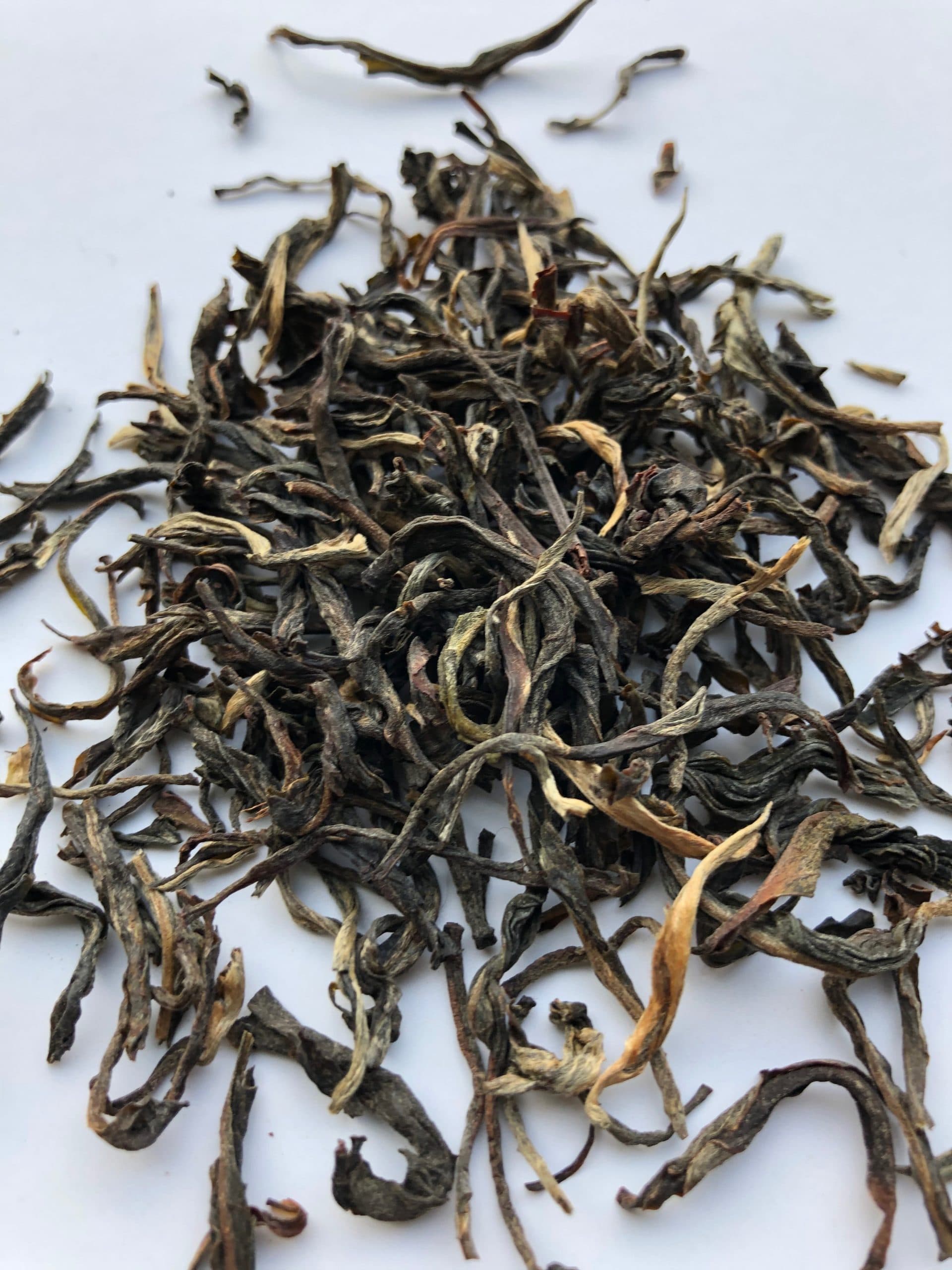
YINYU ANJI BAICHA is a pre-qingming anji baicha from Yinyu farm in Anji county, Zhejiang province, China. This tea was grown at 800 meters elevation and hand-harvested on March 30, 2021 at a 1:1/1:2 plucking standard before production in the Chinese green tea style: plucked, briefly withered, pan-fired to fix (also known as kill-green, the process of heating tea leaves to deactivate the enzymes responsible for oxidation), and delicately rolled to shape before air drying. This is our first pre-qingming Chinese green. Like zhengyan yancha or Laobanzhang pu'er, the first spring productions of this tea are highly sought after by domestic buyers and fetch exorbitant prices. This lot hails from a pristine growing area with no pedigree; its cost-to-value ratio presents an opportunity to bring top-quality anji baicha to western tea drinkers that we couldn't pass up. In all but name, Anji baicha (transliterated as "Anji white tea") is a green tea. Anji white tea is an old misnomer; bai ye cultivar trees produce leaves with abundant down (the fine silver hairs coating new growth, often seen in actual white tea), and the name stuck through history. Jianjun Chen, our man in Anji, is a 1st generation producer without pedigreed land—and we think his teas are better for it. He produces carefully, utilizing feremented vegetable fertilizers and treating each flush with equal attention. Without the guaranteed demand for his teas heritage Anji farmers enjoy, he has to be creative and precise, producing objectively delicious anji baicha (and unique yellow teas). Still, when this lot arrived several weeks ago, it was sharp on the nose and overly fresh to taste. Months in storage have made all the difference; with the musk of shipping shed and now settled into our storage climate, this tea's edges have softened and flavors deepened. Most teas (especially greens, in our experience), benefit from a rest and airing out. Pre-qingming teas—Chinese green teas plucked before April 5—are easily distinguished by their yellow-tan-pale green tones, a sure sign of early spring growth not overexposed to sunlight. Later flushes are typically darker green from chlorophyll synthesis, resulting in more astringent, savory anji baicha without the delicate nuances of earlier pickings. Our lot this year presents classically, with a fruity nose and subtle nuttiness amongst a soft mouthfeel. An overall light experience that delivers a vivid sense of the good weather Anji had this year. Use moderate grammage in cool water to access fruit sugars and freshness, or steep with a heavy hand to coax out fuller flavor. We source our green teas fresh each year at harvest. Like all green teas, this lot will begin to "stale" after 1 year. This process is greatly stunted by proper storage (our bulk bags are ziptop) and refrigeration. vintage — spring '21 style — anji baicha ("Anji white tea") cultivar — bai ye ("white leaf") region — Anji, Zhejiang, China locale — Yinyu tea farm elevation — 800 meters producer — Jianjun Chen nomenclature — Anji (安吉)— | baicha (白茶)—"white tea" STEEPING PARAMETERS (use freshly boiled spring water) modern, large format 4 grams — 175°F (79°C) — 2 minutes traditional, small format 4 grams — 175°F (79°C) — 15 seconds (no rinse) +15-30 seconds each additional steep